
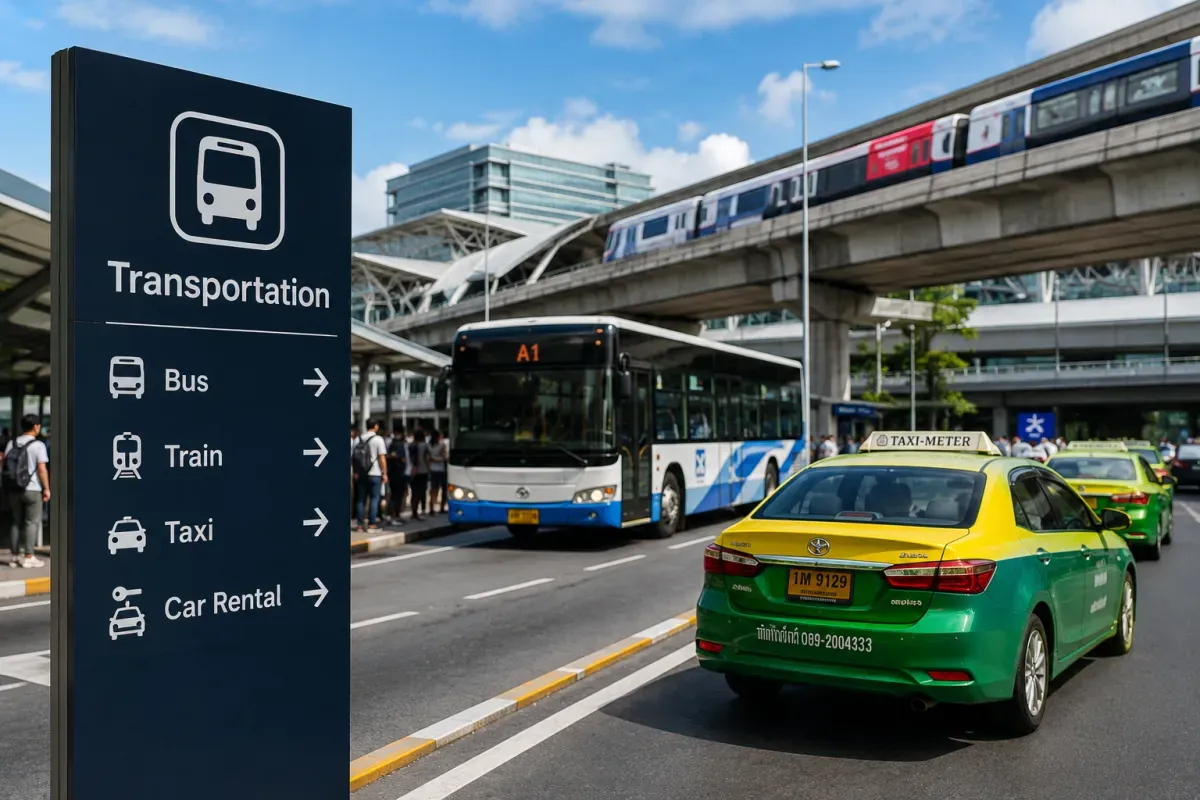
Transportation
Schedules and fares are subject to change.
Airport to City Access
Train, bus, taxi, and other options to the city center
Sarajevo International Airport (SJJ) is about 12 km from the city centre; a taxi takes roughly 20–30 minutes, and a city bus also serves the route. Other airports are Mostar (OMO), Banja Luka (BNX) and Tuzla (TZL). Agree the taxi fare or use a metered airport taxi before setting off.
- Main airport
- Sarajevo (SJJ), ~12 km
- Taxi
- ~20–30 min to centre
- Other
- Mostar, Banja Luka, Tuzla
- A city bus also connects the airport
- Agree the fare or use a metered taxi
Public Transportation
Metro, bus, tram, and how to use them
Sarajevo has trams (among the oldest in Europe), trolleybuses and buses. Buy tickets on board or at kiosks, and remember to punch (validate) your ticket when you board. Other cities rely mainly on buses. Services are affordable but can be crowded at peak times.
- Sarajevo
- Tram, trolleybus, bus
- Tickets
- On board or at kiosks
- Validate
- Punch on boarding
- Trams are among the oldest in Europe
- Other cities rely mainly on buses
IC Cards & Travel Passes
Discount passes and rechargeable transit cards
There is no unified travel smart card across Bosnia and Herzegovina. Paper tickets and pay-per-ride are the norm: buy a single ticket at a kiosk or on board and validate it when you board. Keep small change handy for on-board purchases, which may cost a little more.
- Smart card
- No unified IC card
- Tickets
- Paper, pay-per-ride
- Buy at
- Kiosks or on board
- Validate paper tickets when boarding
- On-board tickets may cost a little more
Car Rental & Driving
License requirements and traffic rules
Bosnia and Herzegovina drives on the right; carry an International Driving Permit alongside your licence. Roads are scenic but mountainous, with winding routes, and winter tyres are needed in winter conditions. As a practical safety point, landmines can still remain in some off-road areas from the 1990s conflict, so stay on paved roads and marked areas and do not wander onto unmarked ground.
- Drives on
- The right
- Terrain
- Mountainous, winter tyres
- Stay on
- Paved roads only
- Carry an International Driving Permit
- Do not leave paved roads onto unmarked ground
Intercity Travel
Long-distance buses, trains, and ferries
Intercity buses are the backbone of travel in Bosnia and Herzegovina, linking Sarajevo, Mostar and Banja Luka as well as neighbouring Croatia, Serbia and Montenegro. Trains (ŽFBH and ŽRS) run on limited routes such as Sarajevo–Mostar–Čapljina, with few daily services but scenic views. Book buses ahead in summer, when routes to the coast fill up.
- Main mode
- Intercity buses
- Rail
- Limited (Sarajevo–Mostar)
- Cross-border
- Croatia, Serbia, Montenegro
- Trains are scenic but infrequent
- Book buses ahead in summer
Domestic Flights
Budget airlines and booking tips
The country is small, so there are effectively no scheduled domestic flights. Sarajevo (SJJ) is the main international gateway, with smaller airports at Mostar, Banja Luka and Tuzla mostly used for international or seasonal routes. For travel within the country, use intercity buses or the limited train network instead.
- Domestic flights
- Effectively none
- Reason
- Small country
- Instead
- Buses or trains
- Sarajevo (SJJ) is the main international gateway
- Use buses or trains within the country
Transportation Tips
Advice for safe and efficient travel
Carry some cash: the currency is the convertible mark (BAM), and small kiosks, buses and rural taxis may not take cards. Validate paper tickets when boarding city transport, and allow extra time on mountain roads and in winter, when snow can cause delays. Intercity buses are the most reliable way to get around, so book popular routes ahead in summer.
- Cash
- Carry BAM for small fares
- Tickets
- Validate on boarding
- Buses
- Most reliable intercity mode
- Allow extra time on mountain roads and in winter
- Book popular bus routes ahead in summer