
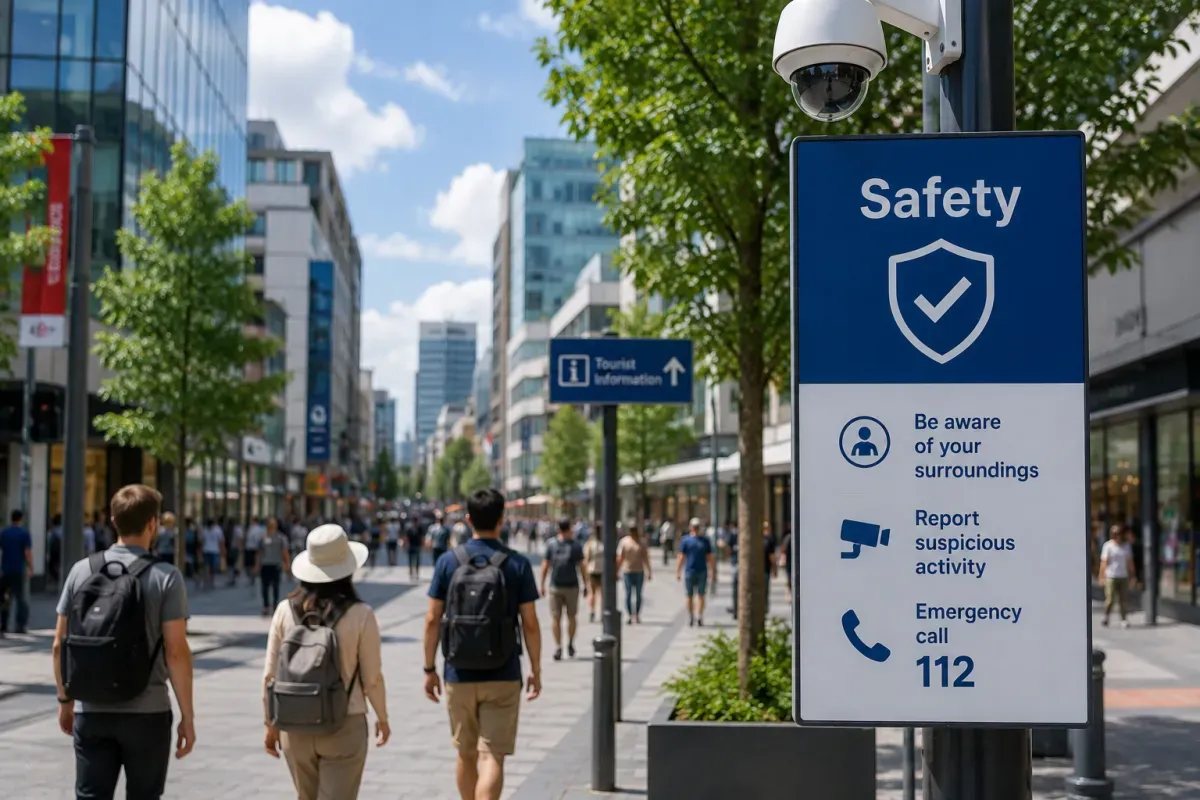
Travel Advisory
Please check your government's official travel advisory before departure. Situations can change rapidly.
Safety Level
Official risk level and travel advisories
Bulgaria is a generally safe EU country. Stay alert to pickpockets, bag snatching and taxi overcharging in Sofia and Black Sea resorts.
- Overall risk
- Low; most visits are trouble-free
- Main concern
- Petty theft and taxi scams in tourist areas
- Emergency number
- 112 (all services)
- Bulgaria is an EU member that joined the Schengen area fully in 2025. Crime against visitors is mostly opportunistic; take normal precautions in Sofia, Plovdiv and along the Black Sea coast (Varna, Burgas, Sunny Beach).
Danger Zones & Areas to Avoid
Regions with poor security or restricted access
There are no no-go areas for tourists. Take extra care around Sofia nightlife districts and crowded Black Sea resorts in season.
- No-go areas
- None for typical travellers
- At night
- Use care in Sofia nightlife areas and busy resort strips
- Most incidents involving visitors are petty theft and overcharging rather than violence. Be extra vigilant in crowded resorts such as Sunny Beach at night and near busy transport hubs.
Natural Disaster Risks
Earthquakes, typhoons, floods, and other hazards
Prepare for summer heatwaves and wildfires, winter avalanches in the Rila, Pirin and Balkan mountains, and occasional flooding. Minor earthquakes occur in the south.
- Summer
- Heatwaves and wildfire risk during dry spells
- Winter
- Avalanche risk when hiking or skiing (Bansko, mountains)
- Seismic risk
- Low to moderate; occasional tremors in the south
- In the Rila, Pirin and Balkan ranges follow local avalanche warnings in winter and carry proper gear. In dry summers heed wildfire and heat advisories, and stay alert to river flooding after heavy rain.
Health & Disease Risks
Endemic diseases and hygiene concerns
Healthcare is good in cities but limited in rural areas. Tap water is generally safe in cities; bottled water is advised in some rural areas.
- Healthcare
- Good in cities, more limited in the countryside
- Tap water
- Generally safe in urban areas; bottled water elsewhere
- Emergency
- 112 for ambulance
- Private clinics in Sofia and larger cities offer good care. No special vaccinations are needed for typical travel; carry personal medication with a prescription. EU/EEA visitors can use an EHIC/GHIC for state care.
Crime & Scam Trends
Common crimes and scams targeting tourists
Watch for pickpocketing, bag snatching, taxi meter overcharging and ATM skimming in Sofia and Black Sea resorts. Violent crime against tourists is rare.
- Main risk
- Pickpocketing and taxi overcharging
- Hotspots
- Airports, stations, tourist sites, resort strips, ATMs
- Advice
- Use reputable taxis and shield ATM PIN entry
- Use only clearly marked, licensed taxis and agree the fare or insist on the meter; some drivers rig meters. Keep valuables out of sight, be alert around ATMs, and beware staged distractions in crowds.
Political Situation & Protests
Political instability and potential demonstrations
Bulgaria is a parliamentary democracy. Occasional demonstrations occur in Sofia and are usually peaceful.
- Government
- Parliamentary democracy within the EU
- Demonstrations
- Occasional and mostly peaceful in Sofia
- Political protests occasionally take place in central Sofia and are generally peaceful. As a routine precaution, avoid large gatherings and follow local media and authorities.
Local Laws & Prohibitions
Important local laws and penalties for travelers
EU norms apply. Bulgarian is written in Cyrillic, and a nod means no while a headshake means yes. Drink-driving and drug penalties are strict.
- Language
- Bulgarian in Cyrillic script; learn key signs
- Gestures
- Nodding can mean no; shaking the head can mean yes
- ID
- Carry photo ID; police may ask to see it
- The reversed head gestures often surprise visitors, so confirm verbally. Penalties for drink-driving and drug offences are severe, and photographing military or security sites may be restricted.
Emergency Contacts
Police, ambulance, and fire department numbers
Dial 112 for all emergencies: police, ambulance and fire. English is often understood in tourist areas.
- All emergencies
- 112
- Tourist police
- Available in main resorts in season
- Roadside help
- 146 (auto assistance)
- 112 covers police, ambulance and fire nationwide with English support in many cases. In Sofia and coastal resorts, tourist police assist visitors during the season.
Embassy & Consulate Info
Location and contact details of your embassy
No embassy or consulate information is available for your selected nationality in this country.
Travel Insurance
Recommended coverage and tips for choosing a policy
Europeans can use an EHIC/GHIC where valid; all other travellers should carry comprehensive travel insurance.
- EU/EEA/UK
- EHIC or GHIC covers necessary state care
- Others
- Comprehensive insurance with medical cover
- Include
- Winter sports and repatriation cover if relevant
- An EHIC/GHIC is not a substitute for full travel insurance. Ensure your policy covers medical treatment, repatriation and any skiing or hiking in the Bansko and mountain areas.