
Currency & Payment
Exchange rates fluctuate daily. Check current rates locally.
Local Currency Overview
Currency type, banknotes, and coin denominations
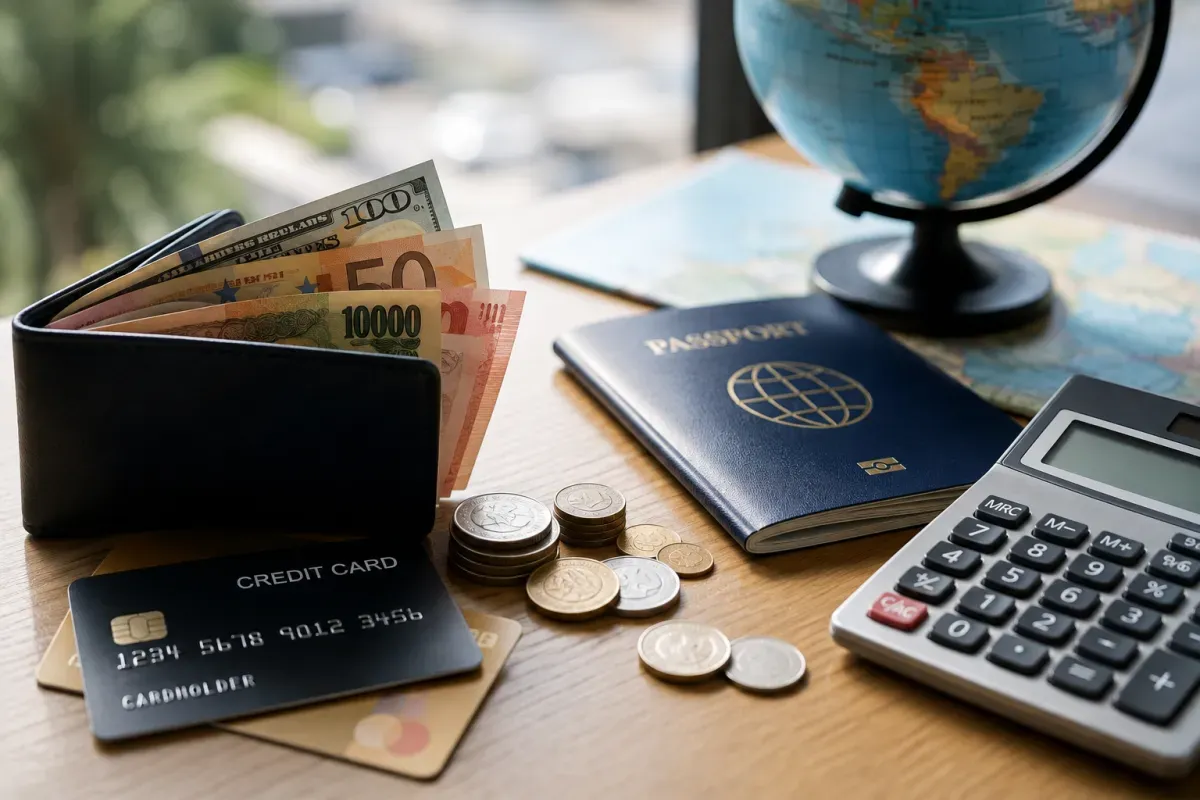
Bhutan uses the ngultrum (BTN, Nu.), which is pegged at par to the Indian rupee (INR). Indian rupees also circulate widely and are generally accepted, though some higher-value INR notes may be refused. Bhutan is largely a cash-oriented society, so carry enough local currency, especially outside the main towns.
- Currency
- Ngultrum (BTN, Nu.)
- Peg
- At par with INR
- Note
- Largely cash-based
- Indian rupees circulate, but some high-value INR notes may be refused
- Carry enough cash outside the main towns
Currency Exchange Tips
Best places and methods to exchange money
Many visitors bring US dollars or Indian rupees and exchange them in Bhutan. You can change money at banks, at the airport in Paro, and at some hotels. Rates and fees vary, so compare where you can. Keep some smaller notes for everyday spending, and change enough before heading to remote areas where facilities are limited.
- Bring
- USD or INR
- Where
- Banks / airport / hotels
- Tip
- Change before remote areas
- Compare rates and fees between banks and hotels
- Facilities are limited in remote areas
Credit Card Acceptance
Card brand availability and usage tips
Card acceptance in Bhutan is limited. Some hotels, larger shops and travel operators in Thimphu and other towns take Visa and Mastercard, but many smaller places, rural areas and markets are cash only. Card systems can also be affected by connectivity. Treat cards as a backup and rely mainly on cash for day-to-day spending.
- Acceptance
- Limited
- Where
- Some hotels/larger shops
- Reality
- Cash preferred
- Rural areas and markets are typically cash only
- Connectivity can affect card payments
ATM Usage
How to withdraw cash and associated fees
ATMs are found mainly in Thimphu, Paro and other towns, but support for foreign cards is limited and can be unreliable. Withdrawal limits may be low and machines can be out of service or cash. Do not rely on ATMs as your only source of money; bring enough cash to exchange and withdraw in larger towns when you can.
- Availability
- Mainly in towns
- Foreign cards
- Limited support
- Tip
- Do not rely on ATMs
- Foreign-card support and limits can be unreliable
- Withdraw in larger towns and keep a cash reserve
Mobile & Digital Payments
Digital payment services available locally
Mobile and QR payments are growing among residents in Bhutan, and local apps and QR codes are increasingly used in towns. However, these services generally require a Bhutanese bank account and local phone number, so they are usually not available to short-term visitors. Plan to pay in cash, and treat mobile payment as something locals use rather than a traveller option.
- Trend
- Growing locally
- Access
- Local account needed
- Visitors
- Usually not available
- Local apps typically need a Bhutanese account and phone number
- Short-term visitors should plan to use cash
Tipping Culture
Expected tipping amounts and etiquette
Tipping is not traditionally expected in Bhutan, but it has become common on guided tours, where travellers often tip their guide and driver at the end of the trip as a thank-you. In restaurants and hotels a small tip is appreciated but not required. Give tips in local currency, and let the quality of service guide the amount.
- Norm
- Not traditionally expected
- Tours
- Guide/driver common
- How
- Local currency
- Tipping the guide and driver at the end of a tour is common
- Restaurant and hotel tips are appreciated but optional
Price Guide
Average costs for meals, transport, and accommodation
For many visitors the biggest cost is the Sustainable Development Fee, which is charged per day and shapes the overall trip budget. Once inside the country, everyday items like local meals, snacks and simple guesthouses can be modest, while imported goods and comfortable hotels cost more. Prices vary between Thimphu and rural areas, so budget with the daily fee in mind.
- Main cost
- Sustainable Development Fee
- Everyday
- Local meals modest
- Varies
- Town vs rural
- The daily fee is a major part of the trip budget
- Imported goods and comfortable hotels cost more
Bhutan does not operate a broad tourist tax-refund scheme like the VAT-refund systems found in some countries, so most visitors should not expect to reclaim sales tax on shopping. Tax arrangements can change as the country updates its system, so if a refund matters to you, confirm the current rules with official sources before you travel.
- Scheme
- No broad tourist refund
- Shopping
- No reclaim expected
- Check
- Current official rules
- Do not expect a general tourist tax refund on purchases
- Confirm current tax rules with official sources