
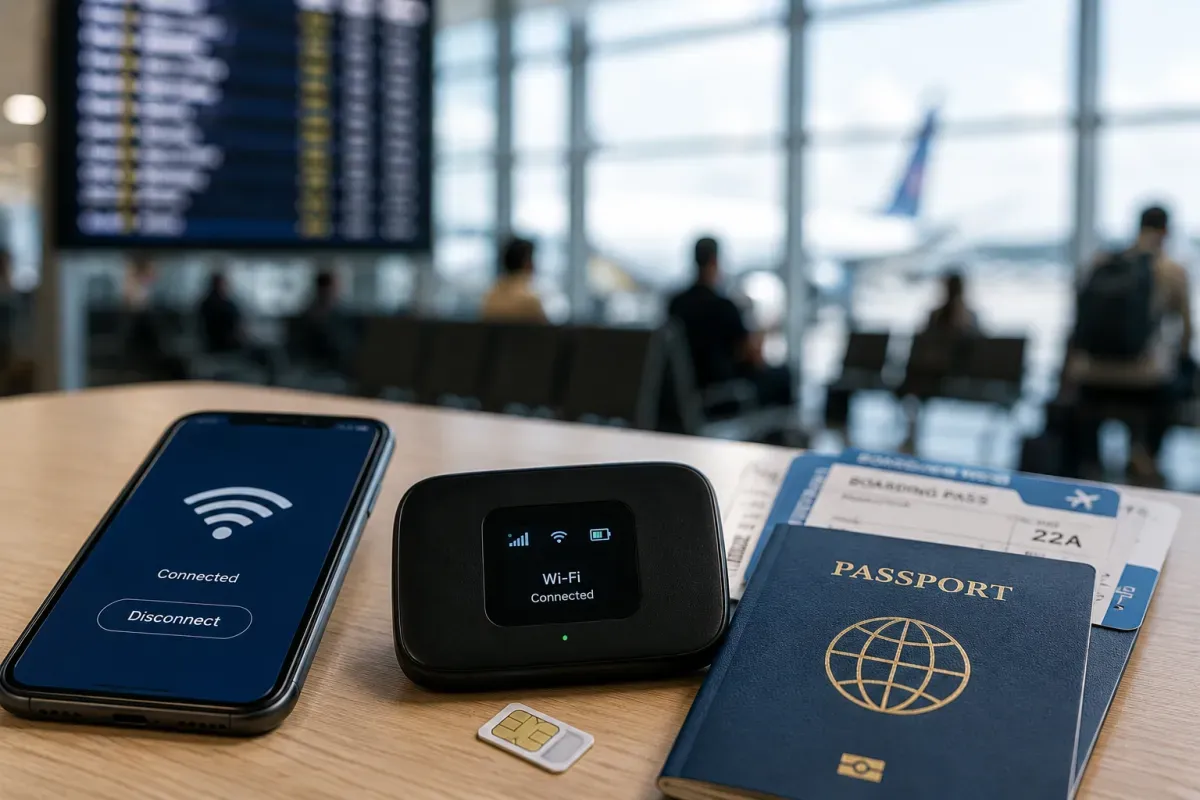
Travel Preparation Guide · Connectivity
Power & Connectivity (SIM)
Connectivity may vary by region and season.
Voltage & Plug Types
Electrical standards and outlet shapes
⚡110V / 220V / 60Hz
🔌Type A / B / C / L(US-style flat + round mixed)
🔄Universal adapter recommended
💡Dual voltage—check outlet labels. Tourist hotels are usually 110V.
Buying a SIM Card
Where to buy, costs, and activation process
📱ETECSA (state monopoly)
🏪ETECSA offices only (limited locations)
📋Passport required, in-person registration only
💰SIM from $30-40, data packages $7-25 per GB
💡Internet is expensive and slow; buy Nauta cards for Wi-Fi hotspots as backup.
eSIM & Mobile Wi-Fi
eSIM availability and portable Wi-Fi rental
📶Very limited / Not recommended
🏢Airalo (very limited coverage)
💰$15-40 for 1-3GB / 7-15 days
💡Cuba has extremely limited eSIM support; Wi-Fi hotspots remain primary option.
Wi-Fi Availability
Public Wi-Fi coverage and security
📡Poor — very limited and expensive WiFi
🏨Available in tourist hotels but slow and often paid
☕ETECSA hotspots in parks require purchased Nauta cards
💡Buy Nauta cards in advance; hotel lobbies are often the most reliable spots.
Internet Restrictions & VPN
Blocked services and VPN recommendations
🔒Moderate — slow, expensive, and some content blocked
🚫Some independent news sites blocked, VoIP occasionally restricted, very slow speeds
🛡️Recommended — helps access blocked content
💡Internet is expensive and slow; rely on Wi-Fi hotspots and download content offline.
Useful Local Apps
Must-have apps for transport, translation, and maps
🚗No ride-hailing apps; negotiate with taxis
🗺️Maps.me for offline (essential, no data)
💬WhatsApp (when Wi-Fi available)
💡Download everything offline; internet is scarce and expensive.
International Calls
How to make international calls and alternatives
📞+53 (Cuba)
🆘106 (Police), 104 (Ambulance), 105 (Fire)
📲Dial 119 + country code + number for international calls
💡International calls very expensive; use hotel Wi-Fi for VoIP when available.