
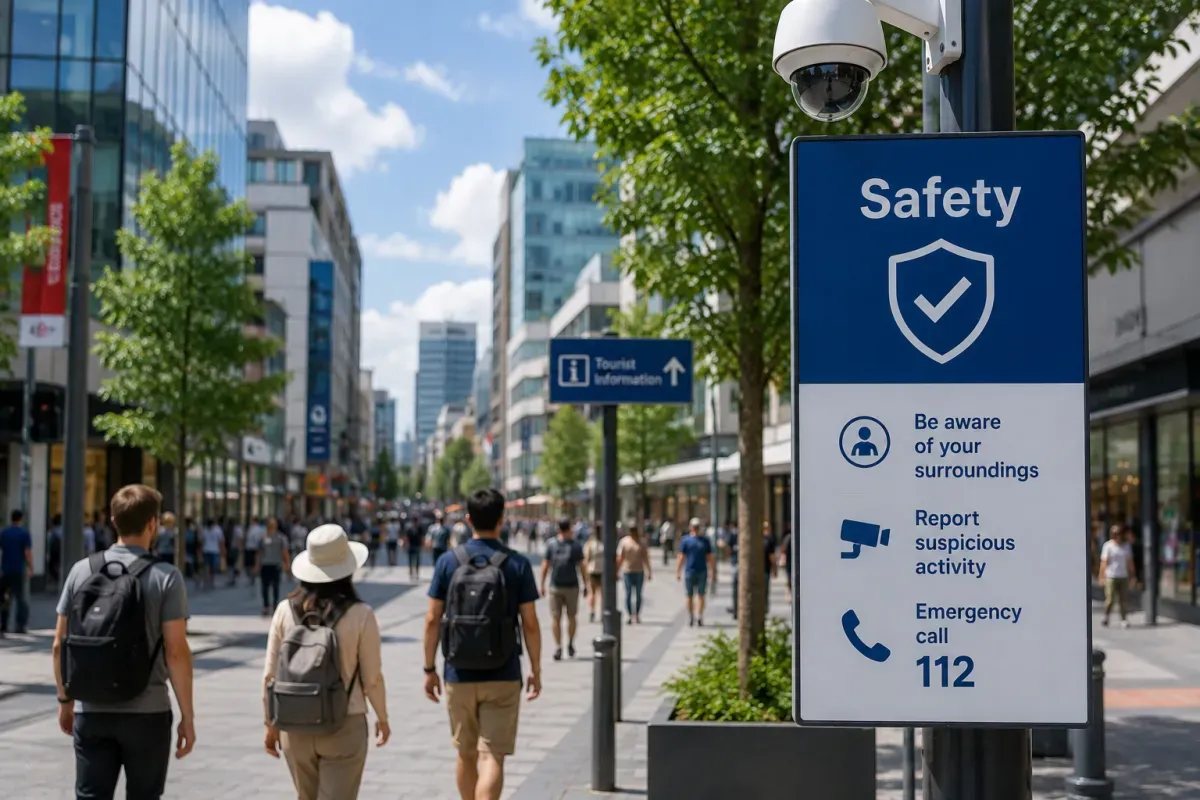
Travel Advisory
Please check your government's official travel advisory before departure. Situations can change rapidly.
Safety Level
Official risk level and travel advisories
France is generally safe for tourists. The main issue is petty theft — pickpockets and bag snatchers in Paris and other tourist hotspots.
- Overall
- Generally safe; watch for pickpockets
- Hotspots
- Paris metro and major sights
- Emergencies
- 112 (EU), 15 medical, 17 police
- Keep bags closed and valuables out of sight in crowds
Danger Zones & Areas to Avoid
Regions with poor security or restricted access
There are no no-go areas for tourists. Take extra care against pickpockets around major Paris sights and stations, and be alert during large demonstrations.
- No-go zones
- None for tourists
- Extra care
- Crowded Paris sights/stations
- Protests
- Avoid large demonstrations
- Some outer suburbs are best avoided late at night
Natural Disaster Risks
Earthquakes, typhoons, floods, and other hazards
France has few serious natural hazards. Summer heatwaves, occasional flooding, southern wildfires and Alpine avalanches (winter) are the main seasonal risks.
- Heatwaves
- Summer; stay hydrated
- Wildfires
- South in dry summer months
- Mountains
- Avalanche risk in winter Alps
- Check Météo-France warnings before trips
Health & Disease Risks
Endemic diseases and hygiene concerns
Healthcare is excellent and tap water is safe to drink. There are no unusual disease risks. EU/EEA visitors can use the EHIC/GHIC; others should have travel insurance.
- Tap water
- Safe to drink
- Healthcare
- Excellent public and private
- EU visitors
- EHIC/GHIC accepted
- Pharmacies (green cross) give good advice for minor issues
Crime & Scam Trends
Common crimes and scams targeting tourists
Pickpocketing is the main risk, especially on the Paris metro (line 1) and at big sights. Watch for petition, friendship-bracelet and distraction scams around tourist areas.
- Pickpockets
- Metro line 1, Eiffel Tower, Louvre
- Scams
- Petition/bracelet/distraction tricks
- Bags
- Keep zipped and in front
- Be wary of anyone getting too close in crowds or on escalators
Political Situation & Protests
Political instability and potential demonstrations
France is a stable democracy. Strikes and demonstrations are common and can disrupt transport; most are peaceful but some turn confrontational, so keep your distance.
- Stability
- Stable democracy
- Strikes
- Can disrupt trains/flights
- Protests
- Usually peaceful; avoid clashes
- Check transport updates during strike periods
Local Laws & Prohibitions
Important local laws and penalties for travelers
Carry ID (passport). Drug possession is illegal. Smoking is banned indoors in public places, and covering the face fully in public is prohibited by law.
- ID
- Carry your passport
- Drugs
- Illegal; penalties apply
- Face covering
- Full face veils banned in public
- No smoking indoors in bars, restaurants and public transport
Emergency Contacts
Police, ambulance, and fire department numbers
The EU-wide emergency number 112 works from any phone and has English-speaking operators. For specific services: 15 medical (SAMU), 17 police, 18 fire (pompiers).
- All emergencies
- 112 (EU, English available)
- Medical / Police
- 15 / 17
- Fire
- 18
- 114 is the number for people who are deaf or hard of hearing
Embassy & Consulate Info
Location and contact details of your embassy
No embassy or consulate information is available for your selected nationality in this country.
Travel Insurance
Recommended coverage and tips for choosing a policy
Get travel insurance with medical cover. EU/EEA visitors should also carry an EHIC/GHIC, but it does not cover everything (e.g. repatriation), so insurance is still recommended.
- Insurance
- Medical + repatriation cover
- EHIC/GHIC
- For EU/EEA visitors; not full cover
- Proof
- Carry policy number and hotline
- You usually pay upfront and claim back; keep receipts