
Travel Advisory
Please check your government's official travel advisory before departure. Situations can change rapidly.
Safety Level
Official risk level and travel advisories
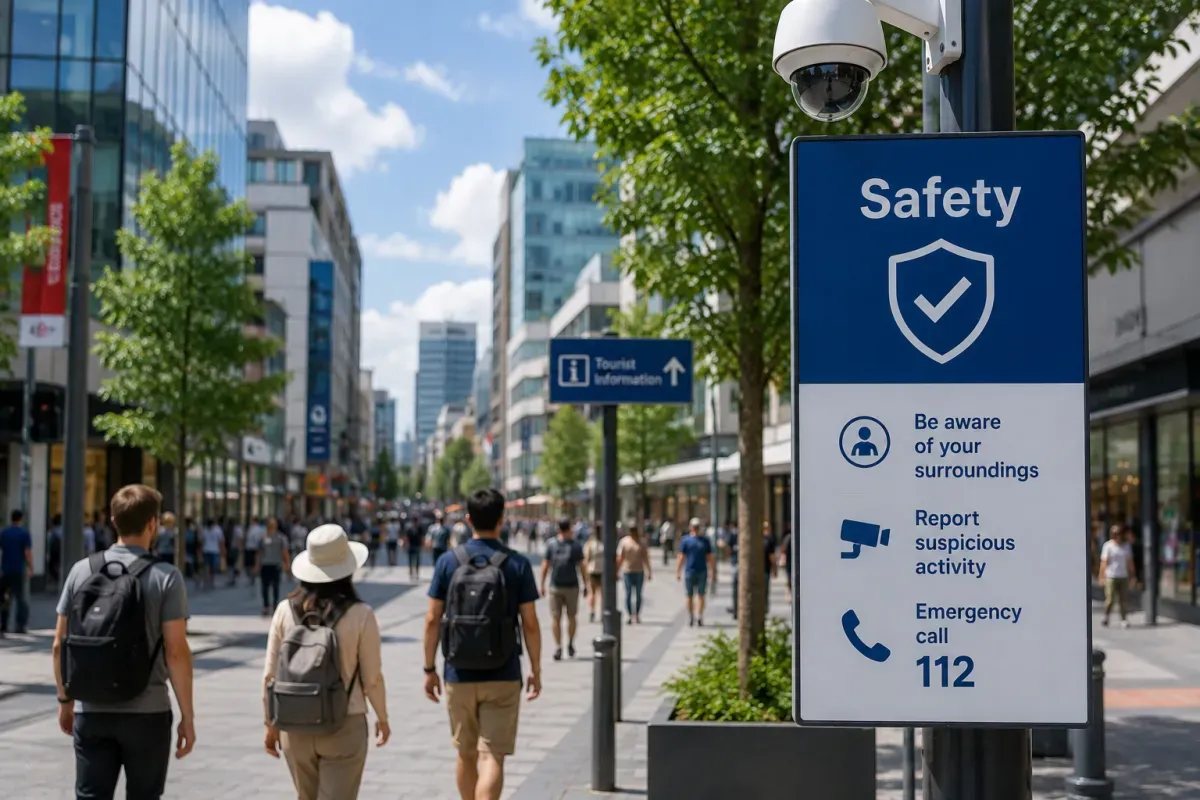
Croatia is a safe, popular EU tourist destination. Watch for pickpockets in busy areas of Dubrovnik, Split and Zagreb.
- Overall risk
- Low; one of the safer European destinations
- Main concern
- Pickpocketing in crowded tourist areas
- Emergency number
- 112 (all services)
- Croatia is an EU member and, since 2023, part of the Schengen area and eurozone. Crime against tourists is generally low; stay alert in crowded spots such as Dubrovnik Old Town, the Split waterfront and central Zagreb.
Danger Zones & Areas to Avoid
Regions with poor security or restricted access
There are no no-go areas for tourists. In a few inland areas affected by the 1990s conflict, some landmines may remain, but tourist routes are marked and safe.
- No-go areas
- None on normal tourist routes
- Former conflict zones
- Stay on marked paths in a few rural inland areas
- Popular coastal and city destinations are safe. In some rural inland regions once affected by the 1990s conflict, do not stray from marked paths or enter fenced or signed areas as a precaution.
Natural Disaster Risks
Earthquakes, typhoons, floods, and other hazards
Natural disaster risk is moderate. Croatia sits in a seismic zone (notable earthquakes in 2020) and faces summer wildfires along the coast and islands.
- Earthquakes
- Zagreb and Petrinja both had significant quakes in 2020
- Summer
- Wildfire risk on the coast and islands during dry spells
- Flooding
- Occasional river flooding after heavy rain
- Croatia is earthquake-prone; know your accommodation's safety guidance. In hot, dry summers wildfires can affect coastal and island areas, so follow local warnings and fire bans.
Health & Disease Risks
Endemic diseases and hygiene concerns
Croatia has good healthcare and safe tap water. In summer, guard against sunburn, heat and sea urchin injuries on rocky Adriatic shores.
- Healthcare
- Good standard; private clinics widely available in tourist areas
- Tap water
- Safe to drink
- Summer risks
- Sunburn, heat and sea urchins near rocks
- Medical care is reliable, especially in cities and tourist centres. EU/EEA visitors can use an EHIC/GHIC for state care. Wear water shoes on rocky beaches to avoid sea urchin spines.
Crime & Scam Trends
Common crimes and scams targeting tourists
Watch for pickpockets at busy tourist spots and occasional taxi overcharging or unclear restaurant bills. Violent crime against tourists is rare.
- Main risk
- Pickpocketing in crowded areas
- Taxis
- Use metered taxis or ride-hailing apps to avoid overcharging
- Bills
- Check restaurant menus and prices before ordering
- Thieves target distracted tourists in crowds. Agree on taxi fares or use a metered/app taxi, and confirm prices at restaurants and bars to avoid unclear charges.
Political Situation & Protests
Political instability and potential demonstrations
Croatia is a stable EU democracy. There are no special travel warnings; check your own government's latest advice before travelling.
- Government
- Stable parliamentary democracy and EU member
- Demonstrations
- Occasional and generally peaceful
- Political unrest affecting visitors is uncommon. Any demonstrations are usually peaceful; for the latest situation, consult your foreign ministry's official travel advice.
Local Laws & Prohibitions
Important local laws and penalties for travelers
Drink-driving limits are strict, drugs are illegal, and wearing swimwear away from beaches can be fined. Dubrovnik Old Town has extra rules.
- Driving
- Low blood-alcohol limit; strict enforcement
- Dress
- Swimwear in town centres can lead to fines in some places
- Dubrovnik
- Restrictions on certain behaviour and wheeled luggage in the Old Town
- Drug offences carry serious penalties. Some coastal towns fine walking through the centre in swimwear or bare-chested. In Dubrovnik's Old Town, some activities are restricted; follow posted signs.
Emergency Contacts
Police, ambulance, and fire department numbers
Dial 112 for all emergencies. Specific lines exist for police, ambulance and fire. The country code is +385.
- All emergencies
- 112
- Police / Ambulance / Fire
- 192 / 194 / 193
- Country code
- +385
- 112 connects you to all emergency services and operators typically speak English. Direct numbers are 192 (police), 194 (ambulance) and 193 (fire).
Embassy & Consulate Info
Location and contact details of your embassy
No embassy or consulate information is available for your selected nationality in this country.
Travel Insurance
Recommended coverage and tips for choosing a policy
Comprehensive travel insurance is recommended. EU/EEA visitors can use an EHIC/GHIC, and Schengen visa applicants may need proof of insurance.
- EU/EEA/UK
- EHIC or GHIC covers necessary state care
- Visa applicants
- Insurance may be required for a Schengen visa
- Include
- Medical, cancellation and personal belongings
- An EHIC/GHIC is not a substitute for full travel insurance. Choose a policy covering medical treatment, trip cancellation, personal belongings and any watersports or activities you plan.