
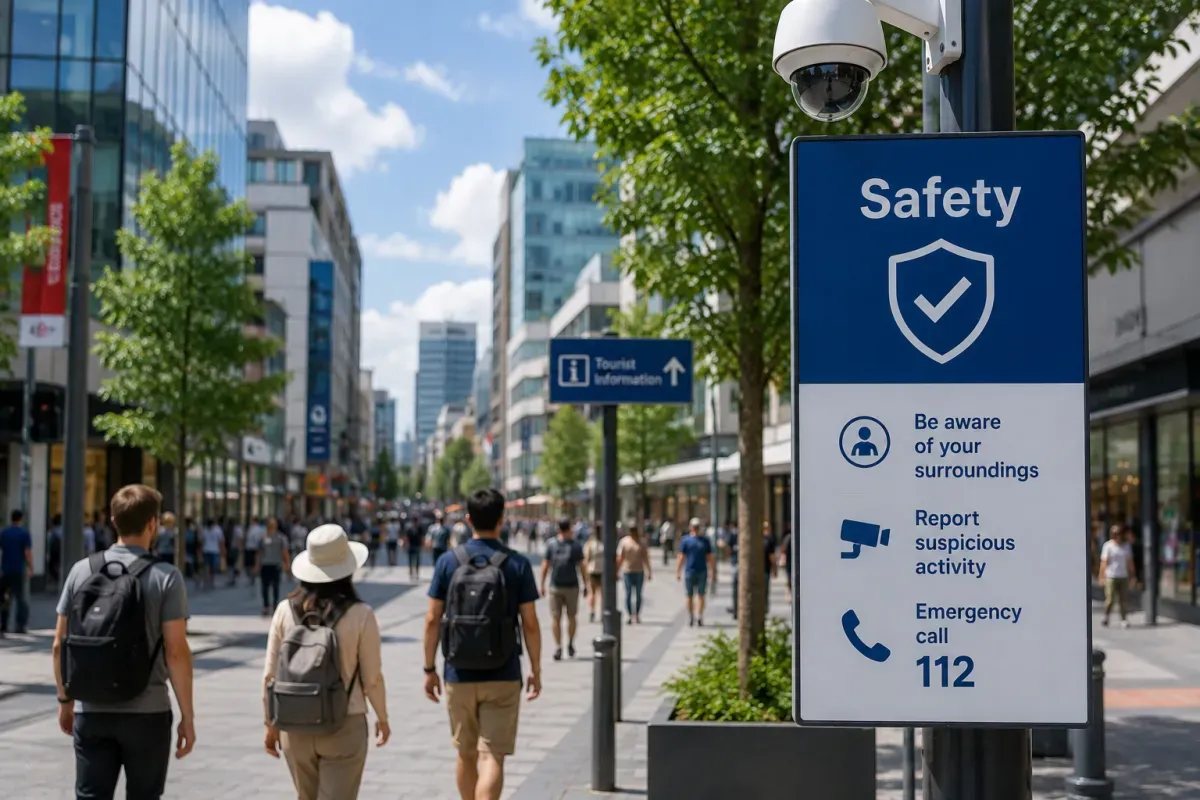
Travel Advisory
Please check your government's official travel advisory before departure. Situations can change rapidly.
Safety Level
Official risk level and travel advisories
Mongolia is generally safe, with peaceful countryside and tourist areas. Watch for pickpockets and bag theft in central Ulaanbaatar.
- Overall risk
- Low; the steppe and tourist sites are calm
- Main concern
- Pickpocketing and theft in Ulaanbaatar, especially at markets
- Emergency number
- 105 (unified), Police 102, Ambulance 103
- Violent crime against travellers is uncommon and rural travel is largely trouble-free. In Ulaanbaatar, be alert at the Naran Tuul (Black Market), busy shopping streets and on crowded public transport where thieves operate.
Danger Zones & Areas to Avoid
Regions with poor security or restricted access
There are no no-go areas for tourists. Use extra care in crowded parts of Ulaanbaatar at night and near markets.
- No-go areas
- None for typical travellers
- At night
- Central Ulaanbaatar streets and bar areas warrant caution
- The steppe, Gobi and national parks are generally trouble-free. In Ulaanbaatar avoid poorly lit streets late at night, keep clear of drunken disputes, and be careful around Naran Tuul market and packed bus stops.
Natural Disaster Risks
Earthquakes, typhoons, floods, and other hazards
Extreme winter cold below -30C (sometimes -40C) and the dzud (severe winter disaster) are the main hazards, along with Gobi sandstorms and Ulaanbaatar winter air pollution.
- Winter
- Extreme cold; dzud (harsh snow/ice winters); severe coal-smog in Ulaanbaatar
- Summer
- Short season, large day-night temperature swings, Gobi sandstorms
- Other
- Lightning and flash floods in mountains and valleys
- Winters are brutally cold, often below -30C and occasionally -40C, and a dzud can strand travellers. In winter, Ulaanbaatar suffers heavy air pollution from coal heating. In the Gobi expect sandstorms, and beware sudden lightning and flash floods after summer rain.
Health & Disease Risks
Endemic diseases and hygiene concerns
Healthcare is limited in cities and very limited in rural areas; serious cases may need evacuation to Seoul or Beijing. Drink bottled water and be aware of rabies, plague and tick-borne encephalitis.
- Healthcare
- Limited in Ulaanbaatar, very limited in the countryside
- Water
- Drink bottled or boiled water
- Disease risks
- Rabies, plague (from marmots/raw meat), tick-borne encephalitis on the steppe
- Facilities outside the capital are basic and serious illness or injury may require medical evacuation to a neighbouring country such as South Korea or China. Avoid tap water, do not handle marmots or eat undercooked marmot meat (plague risk), and use tick precautions in grassland. Carry personal medication with a prescription.
Crime & Scam Trends
Common crimes and scams targeting tourists
Violent crime is relatively rare, but pickpocketing and theft are common in Ulaanbaatar. Watch out for alcohol-related trouble at night.
- Main risk
- Pickpocketing and bag theft in Ulaanbaatar
- Hotspots
- Naran Tuul market, buses, stations, crowded streets
- Advice
- Avoid drunken confrontations and keep valuables hidden
- Thieves target crowds and distracted tourists in the capital. Keep bags closed and in front of you, split cash and cards, and be wary of intoxicated individuals late at night, as alcohol-related assaults do occur.
Political Situation & Protests
Political instability and potential demonstrations
Mongolia is a democracy and is generally stable. Occasional demonstrations in Ulaanbaatar are usually peaceful.
- Government
- Parliamentary democracy, generally stable
- Demonstrations
- Mostly peaceful; centred on Sukhbaatar Square
- Political life is generally calm. Protests may occasionally gather in central Ulaanbaatar; avoid large crowds and follow local news and any advice from your embassy as a routine precaution.
Local Laws & Prohibitions
Important local laws and penalties for travelers
Traffic drives on the right. Drug offences carry severe penalties, and photographing military or border sites is restricted. Carry ID.
- Driving
- Right-hand traffic; roads and driving standards are poor
- Drugs
- Strict penalties for possession and trafficking
- ID
- Carry photo ID; register long stays with authorities
- Respect customs at monasteries and ovoo (sacred cairns). Do not photograph military installations or sensitive border areas. Drink-driving is not tolerated, and drug penalties are severe. Keep a copy of your passport and visa.
Emergency Contacts
Police, ambulance, and fire department numbers
Police 102, Ambulance 103, Fire 105 (105 also serves as a unified emergency line). English is not always spoken.
- Police
- 102
- Ambulance
- 103
- Fire / unified
- 105
- Call 102 for police, 103 for an ambulance and 105 for fire, which also acts as a unified emergency number. Operators may not speak English, so having a Mongolian speaker or your hotel help can be useful.
Embassy & Consulate Info
Location and contact details of your embassy
No embassy or consulate information is available for your selected nationality in this country.
Travel Insurance
Recommended coverage and tips for choosing a policy
Comprehensive travel insurance is essential. Ensure it covers medical evacuation (including to a neighbouring country) and activities like horse riding and trekking.
- Essential
- Full medical cover with evacuation/repatriation
- Evacuation
- Must include transfer abroad (e.g. Seoul/Beijing)
- Activities
- Check cover for horse riding, trekking and remote travel
- Because rural healthcare is very limited, serious cases may require costly medical evacuation abroad. Ensure your policy covers emergency evacuation and repatriation, and confirm it includes any adventure activities such as horse riding, trekking or Gobi expeditions.