
Currency & Payment
Exchange rates fluctuate daily. Check current rates locally.
Local Currency Overview
Currency type, banknotes, and coin denominations
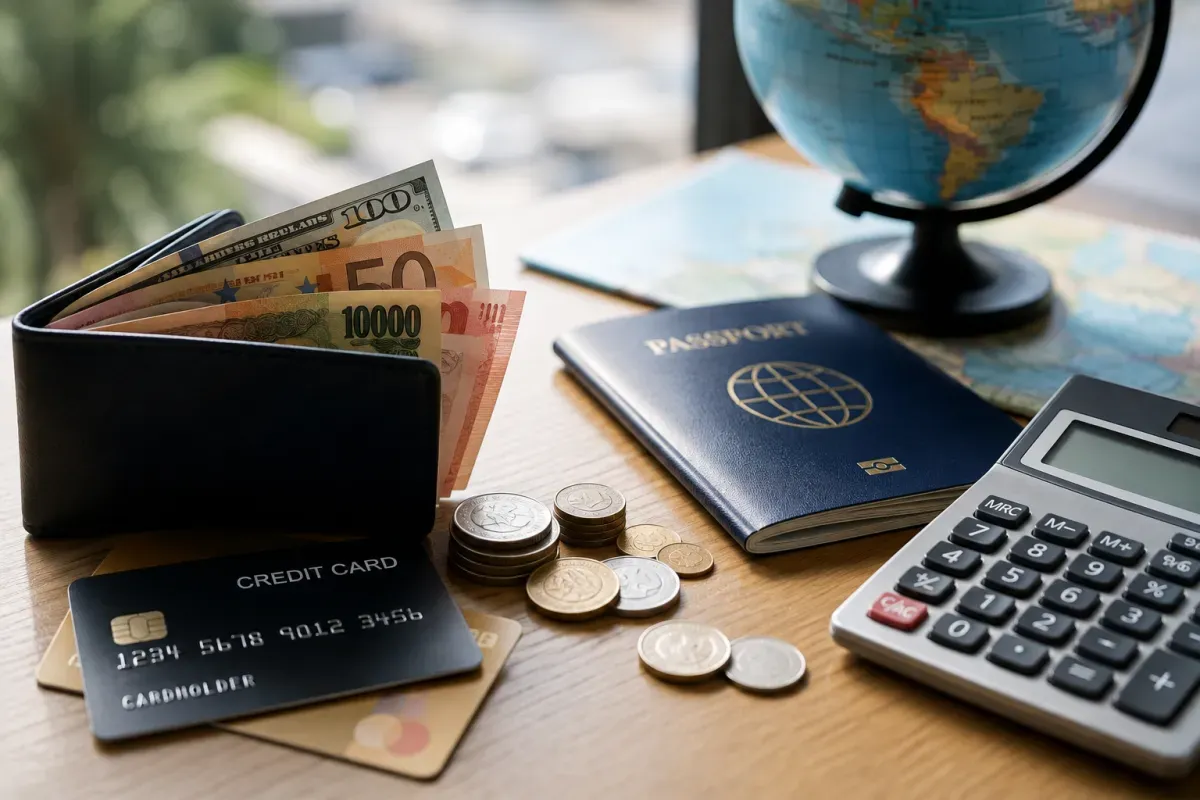
The local currency is the Macanese pataca (MOP), which is pegged closely to the Hong Kong dollar (HKD). In practice, Hong Kong dollars are widely accepted almost everywhere, often at par with the pataca, so many short-stay visitors never change money. Note that change may be given in patacas, and HKD coins can be harder to use. Casinos deal mainly in HKD. Carry small notes for buses and small shops.
- Currency
- Pataca (MOP)
- Also used
- HK dollar
- Change
- Often in MOP
- HKD is accepted almost everywhere
- Change may come back in patacas
Currency Exchange Tips
Best places and methods to exchange money
You can change money at banks, hotels and licensed exchange counters around the peninsula, ferry terminals and casino areas. Banks usually offer better rates than hotels, while airport and casino counters can be convenient but pricier. Compare rates and ask about fees before exchanging. Only use licensed exchanges, keep your receipt, and avoid street money changers. Many visitors simply spend Hong Kong dollars and skip exchanging altogether.
- Best rates
- Banks
- Convenient
- Hotels, terminals
- Avoid
- Street changers
- Compare rates and ask about fees
- Keep your exchange receipt
Credit Card Acceptance
Card brand availability and usage tips
Cards are widely accepted at hotels, casinos, department stores, mid-range and upmarket restaurants and larger shops, with Visa and Mastercard the most common. Small local eateries, street stalls, buses and family shops often prefer cash, so keep some notes on you. Tell your bank you are travelling and watch for foreign transaction fees. Contactless works in many places, and Chinese cards like UnionPay are widely supported.
- Accepted
- Hotels, casinos, shops
- Cash
- Stalls, buses
- Cards
- Visa, MC, UnionPay
- Small eateries and buses prefer cash
- Watch for foreign transaction fees
ATM Usage
How to withdraw cash and associated fees
ATMs are everywhere in Macau, at banks, casinos, shopping malls and near the ferry terminals, and most accept foreign Visa, Mastercard and UnionPay cards with English menus. Some machines let you choose to withdraw patacas or Hong Kong dollars. Watch for your bank's fees and any surcharge shown on screen, and always decline the machine's currency conversion for a better rate. Withdraw during the day in busy, well-lit spots.
- Availability
- Everywhere
- Choice
- MOP or HKD
- Tip
- Decline conversion
- English menus are common
- Decline on-screen currency conversion
Mobile & Digital Payments
Digital payment services available locally
Mobile payment is very common in Macau. Alipay and WeChat Pay are accepted at many shops, restaurants and even street stalls, and local apps like MPay are widely used by residents. Contactless with Apple Pay and Google Pay works at card terminals. For visitors, the international versions of Alipay and WeChat Pay can be convenient, but cash or a card is still handy as a backup for small vendors and buses.
- Popular
- Alipay, WeChat Pay
- Local
- MPay
- Backup
- Cash or card
- Alipay and WeChat Pay are widely accepted
- Keep cash for small vendors and buses
Tipping Culture
Expected tipping amounts and etiquette
Tipping is modest and not deeply expected in Macau. Upscale restaurants and hotels often add a service charge of around ten percent to the bill, so extra tipping is optional. For good service you might round up or leave small change, and a small tip for bellhops or helpful casino staff is appreciated. Taxi drivers do not expect tips, though rounding up the fare is common and easy.
- Norm
- Modest, optional
- Restaurants
- Service charge added
- Taxis
- Round up
- A service charge is often already added
- Round up taxi fares if you like
Price Guide
Average costs for meals, transport, and accommodation
Macau can feel pricey around casinos and resorts, but everyday costs are moderate if you eat local. A bowl of noodles or a Portuguese egg tart is cheap, a casual meal is mid-range, and resort dining and shows are premium. Buses cost only a few patacas, while hotels swing from budget guesthouses to luxury towers. Prices rise sharply on weekends and holidays when Hong Kong and mainland visitors arrive.
- Street food
- Cheap
- Resorts
- Premium
- Peak
- Weekends dearer
- Eating local keeps costs down
- Weekends and holidays are pricier
Macau is a free port with no general sales tax or VAT, so there is no tourist tax-refund scheme like those in Europe or Japan. Prices you see are what you pay, which makes some goods attractively priced. Keep receipts anyway for warranty on electronics and watches, and to show origin at customs if needed. Certain specific goods carry consumption duties, but these are not refunded to visitors.
- VAT
- None
- Refund
- No scheme
- Port
- Free port
- No general sales tax, so no tourist refund
- Keep receipts for warranty and customs