
Entry Procedures
Visa and entry requirements depend on the country that issued your passport. The information here is general guidance. Always confirm the requirements for your own nationality with the official source.
This information is for general guidance only. Please verify with the embassy or official government sources before traveling.
Visa Requirements
Types of visas required and their conditions
Panama is not in the Schengen Area and runs its own immigration system. Many nationalities, including Japanese citizens, can enter visa-free for tourism for up to 90 days, while others need a visa. Requirements depend on your nationality, so check the official Panamanian immigration authority and your embassy before you travel, as rules can change.
- Area
- Panama (own system)
- Short stay
- Up to 90 days
- Check
- Official sources
- Visa-free entry depends on your nationality
- Panama is not part of Schengen; check official Panamanian sources before travel
Passport Conditions
Required validity period and blank pages
Your passport should generally be valid for at least 3 to 6 months beyond your planned stay in Panama, and immigration officers may ask to see proof of onward travel and sufficient funds. Requirements can vary by nationality and change over time, so confirm the exact passport validity rule with the Panamanian immigration authority or your embassy before you travel.
- Validity
- 3-6 months recommended
- Onward
- May be requested
- Check
- Official rule
- Aim for at least 3-6 months passport validity beyond your stay
- Confirm exact requirements with Panamanian immigration before travel
Required Documents & Pre-registration
Arrival cards, health declarations, and other preparations
At the border you may be asked to show supporting documents in addition to your passport. These can include a return or onward ticket, proof of accommodation (hotel booking or invitation), evidence of sufficient funds for your stay (cash or card), and travel insurance. Have these ready to speed up entry into Panama.
- Ticket
- Return/onward
- Stay
- Accommodation proof
- Funds
- Cash or card
- Carry proof of accommodation and onward travel
- Evidence of sufficient funds (cash or card) may be requested
Cash Import Limits
Declaration-free limits and procedures for excess amounts
If you enter or leave Panama carrying large amounts of cash, generally the equivalent of USD 10,000 or more (including other currencies or bearer instruments), you must declare it to customs. Failure to declare can lead to fines or seizure, so complete a cash declaration when required.
- Threshold
- USD 10,000+
- When
- Entering/leaving Panama
- Action
- Declare to customs
- Applies to cash and equivalent bearer instruments
- Non-declaration may result in fines or seizure
Duty-Free Allowances & Restricted Items
Limits on tobacco, alcohol, food, and other goods
Arriving in Panama, you have duty-free allowances for personal-use goods such as a limited quantity of alcohol and tobacco, plus personal effects. Amounts above the allowance may be subject to duty. Fresh food, plant and animal products can face agricultural restrictions. Check current allowances with Panama Customs (Aduanas) before you travel.
- Personal use
- Duty-free limits
- Alcohol/tobacco
- Limited quantity
- Agriculture
- Restrictions apply
- Alcohol and tobacco have duty-free limits for personal use
- Fresh food, plant and animal products may be restricted
Prohibited Items
Items that are strictly forbidden from import
Illegal drugs are strictly prohibited and penalties are severe. There are restrictions on weapons and ammunition, on certain fresh food and animal or plant products for biosecurity reasons, and on products from protected species under CITES (such as ivory, corals or certain skins). Check Panama Customs rules and obtain any required permits before you travel.
- Drugs
- Prohibited
- Weapons
- Restricted
- CITES
- Protected species
- Fresh food and plant/animal products face biosecurity restrictions
- Protected species products need CITES permits
Medication Import Rules
Rules for bringing prescription and over-the-counter drugs
Bring enough of any prescription medicine for your trip, in its original packaging, with a copy of the prescription or a doctor's letter. Some medicines that are common elsewhere may be controlled in Panama, so check in advance. Carry medicines in your hand luggage and keep documentation available in case customs asks.
- Packaging
- Original + label
- Document
- Prescription/letter
- Check
- Controlled drugs
- Keep medicines in original packaging with documentation
- Some drugs may be controlled; verify before travel
Vaccinations & Health Requirements
Required and recommended vaccines for entry
No special vaccinations are required for most travellers to Panama, but proof of yellow fever vaccination may be required if you arrive from a country with risk of transmission. It is recommended for travel to certain areas such as parts of Darién. Keep routine vaccinations up to date and consult a travel clinic well before departure for personal advice.
- Required
- Yellow fever (if from risk area)
- Routine
- Keep up to date
- Advice
- See travel clinic
- Yellow fever proof may be needed if arriving from a risk country
- Consult a travel clinic for personalised recommendations
Immigration Process
Step-by-step guide from arrival to clearing immigration
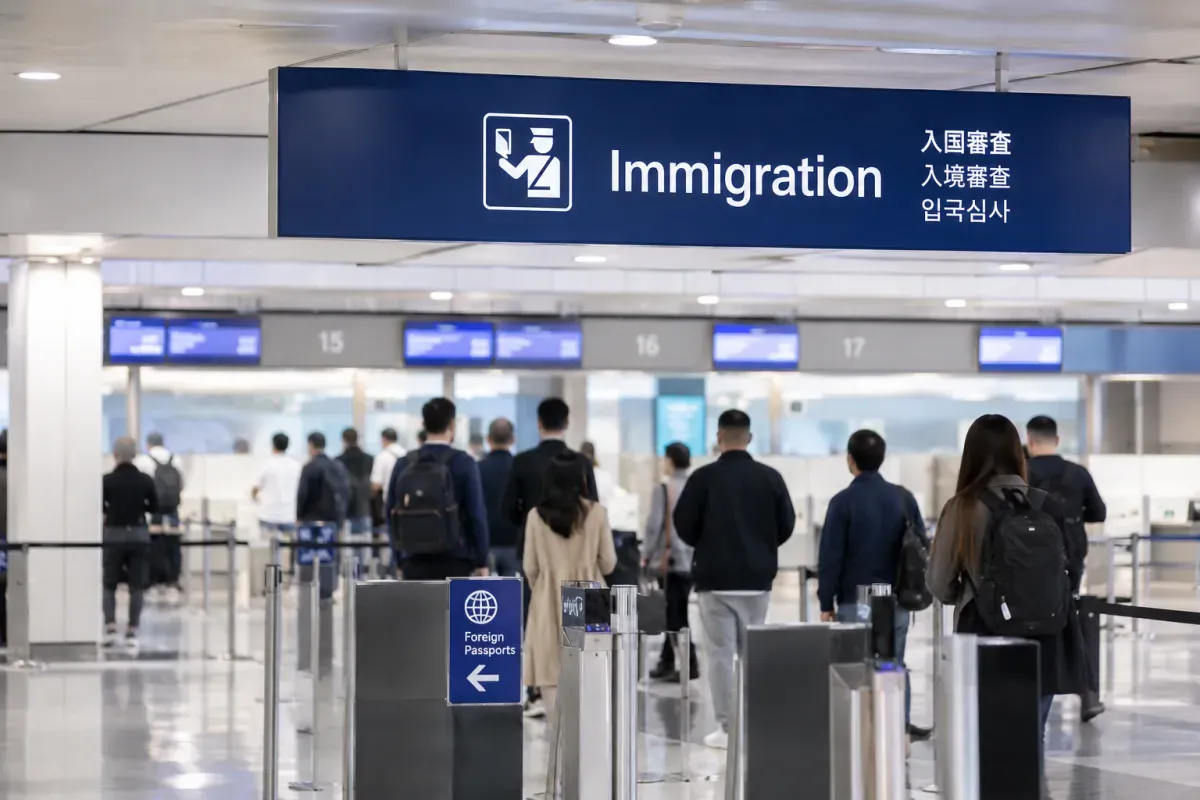
Most travellers arrive at Tocumen International Airport (PTY) near Panama City. At immigration you present your passport and may be asked about the purpose and length of your stay, your accommodation and onward travel. Officers may ask to see proof of funds and a return or onward ticket. Have your documents ready and follow the signage on arrival.
- Airport
- Tocumen (PTY)
- Checks
- Passport + questions
- Show
- Funds / onward ticket
- You may be asked about your stay, accommodation and onward travel
- Have proof of funds and a return or onward ticket ready
Tips for Smooth Entry
Practical advice for a hassle-free arrival
Panama uses the US dollar, so travellers from dollar regions do not need to change money. The climate is tropical, so bring light clothing, rain gear and sun protection. Spanish is the main language, though English is common in tourist areas of Panama City. Tap water is generally safe in Panama City, but check locally when travelling in remote regions.
- Currency
- US dollar (USD)
- Climate
- Tropical / rainy
- Language
- Spanish (English in tourism)
- The climate is hot and humid with a distinct rainy season
- The US dollar is used, so USD travellers need no exchange