
Travel Advisory
Please check your government's official travel advisory before departure. Situations can change rapidly.
Safety Level
Official risk level and travel advisories
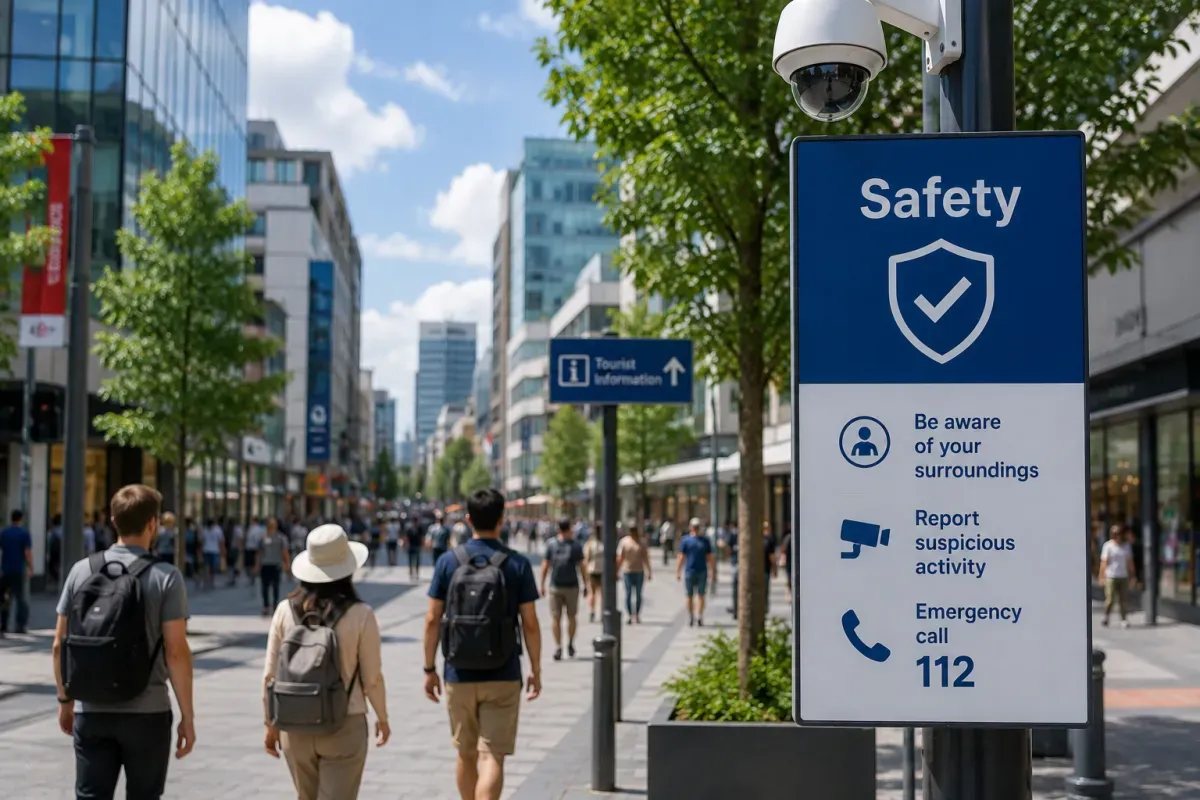
Poland is a generally safe, stable Central European EU country. Watch for pickpockets in tourist areas of Warsaw and Kraków.
- Overall risk
- Low; a safe and stable destination for travellers
- Main concern
- Petty theft and pickpocketing in crowded tourist spots
- Emergency number
- 112 (EU-wide, all services)
- Poland enjoys relatively low crime rates and reliable public services. Exercise normal precautions and stay alert around the Old Towns and main stations of Warsaw and Kraków. Check official advice about the eastern border areas near Ukraine before travelling there.
Danger Zones & Areas to Avoid
Regions with poor security or restricted access
There are no no-go areas for tourists. Check official guidance about the eastern border regions near Ukraine and Belarus before travelling there.
- No-go areas
- None for typical travellers
- Eastern border
- Check official guidance for areas near Ukraine and Belarus
- Cities and tourist regions are safe to visit. If you plan to travel to the eastern border zones, review the latest official advice, as the situation there can change.
Natural Disaster Risks
Earthquakes, typhoons, floods, and other hazards
Natural disaster risk is low. Prepare for cold, snowy winters and occasional river flooding in spring or after heavy rain. No earthquakes or typhoons.
- Winter
- Cold temperatures, snow and ice, especially in the mountains
- Flooding
- Occasional river flooding after heavy rain or snowmelt
- Seismic risk
- Negligible; no typhoons
- Winters can be cold with snow and ice; dress warmly and check conditions in mountain areas such as Zakopane. River flooding occasionally affects some regions after heavy rainfall; follow local warnings.
Health & Disease Risks
Endemic diseases and hygiene concerns
Poland has good healthcare. Tap water is generally safe to drink, though many locals prefer bottled or filtered water.
- Healthcare
- Good public and private care in cities
- Tap water
- Generally safe; bottled water widely available
- Emergency
- 112 or 999 for ambulance
- Medical facilities are good in major cities and private clinics are widely used. No special vaccinations are required for typical travel; carry any personal medication with a prescription.
Crime & Scam Trends
Common crimes and scams targeting tourists
Pickpocketing occurs in crowded areas of Warsaw and Kraków, around Old Towns and central stations. Violent crime against tourists is rare.
- Main risk
- Pickpocketing and bag snatching in crowds
- Hotspots
- Public transport, stations, Old Towns, markets
- Advice
- Keep valuables secure and out of sight; use licensed taxis
- Thieves target distracted tourists in busy places. Keep bags closed and in front of you, use official or app-based taxis, and be wary of overcharging in some tourist bars.
Political Situation & Protests
Political instability and potential demonstrations
Poland is a stable parliamentary republic and an EU and Schengen member with orderly civil life.
- Government
- Stable parliamentary republic; EU and Schengen member
- Demonstrations
- Occasional and generally peaceful
- Political life is stable. Occasional demonstrations, mainly in city centres, are generally peaceful; avoid large gatherings as a routine precaution and follow local media.
Local Laws & Prohibitions
Important local laws and penalties for travelers
EU norms apply. Traffic drives on the right, drink-driving limits are very strict, and drinking alcohol in public places is generally prohibited.
- Driving
- Drive on the right; daytime headlights required
- Drink-driving
- Very low legal limit, strictly enforced
- Public alcohol
- Drinking in most public places is banned
- Carry photo ID. Penalties for drug offences and drink-driving are severe, and the legal blood-alcohol limit is very low. Drinking alcohol in streets, parks and public transport is generally not allowed.
Emergency Contacts
Police, ambulance, and fire department numbers
Dial 112 for all emergencies: police, ambulance and fire. Local direct lines are also available.
- All emergencies
- 112
- Police
- 997
- Ambulance / Fire
- 999 (ambulance), 998 (fire)
- 112 works nationwide and connects to police, ambulance and fire. Direct lines are 997 (police), 999 (ambulance) and 998 (fire). Operators in cities often speak English.
Embassy & Consulate Info
Location and contact details of your embassy
No embassy or consulate information is available for your selected nationality in this country.
Travel Insurance
Recommended coverage and tips for choosing a policy
Europeans can use an EHIC/GHIC where valid; all other travellers should carry comprehensive travel insurance.
- EU/EEA/UK
- EHIC or GHIC covers necessary state care
- Others
- Comprehensive insurance with medical cover
- Include
- Winter sports and repatriation cover if relevant
- An EHIC/GHIC is not a substitute for full travel insurance. Ensure your policy covers medical treatment, repatriation and any winter or mountain activities such as skiing in the Tatras.