
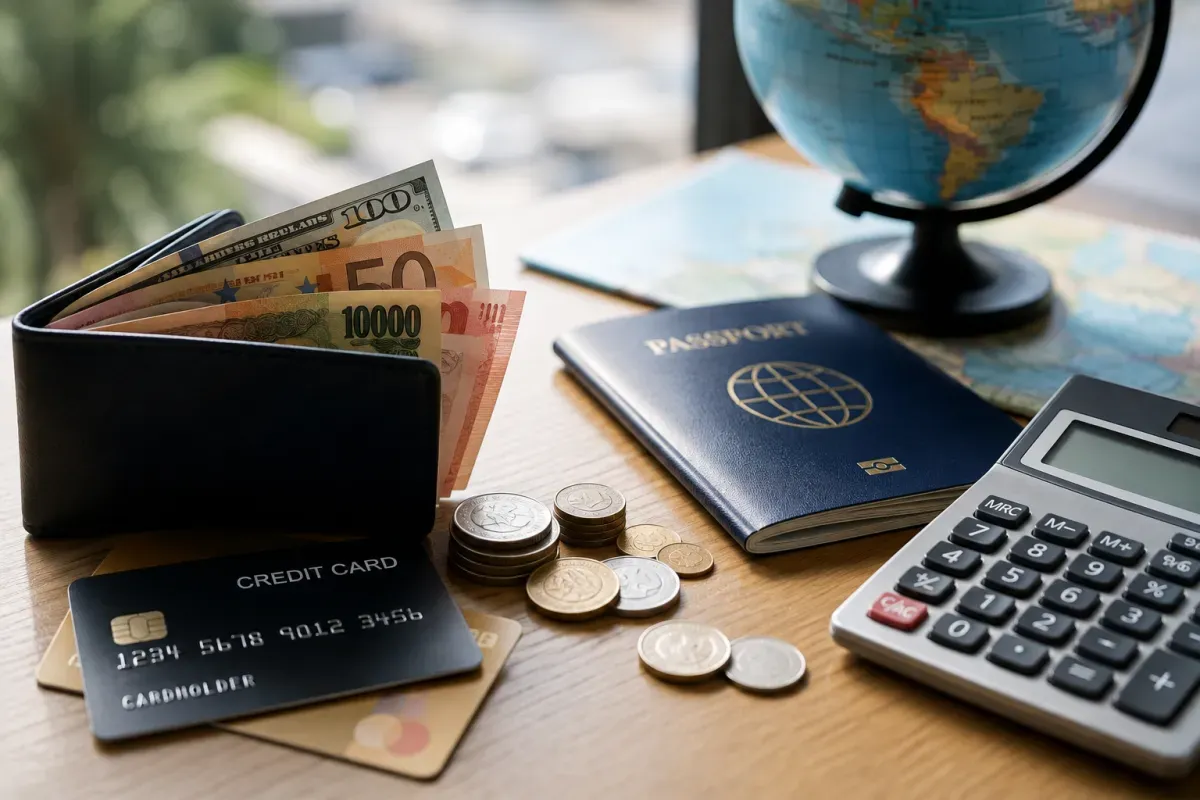
Currency & Payment
Exchange rates fluctuate daily. Check current rates locally.
Local Currency Overview
Currency type, banknotes, and coin denominations
Bangladesh uses the Bangladeshi taka (BDT, ৳), divided into 100 poisha. The taka is a closed currency that mainly circulates within Bangladesh, so it is hard to obtain or exchange abroad. Many travellers bring US dollars and exchange them locally. Cash is still widely used, especially outside the main cities.
- Currency
- Bangladeshi taka (BDT, ৳)
- Subunit
- 100 poisha
- Note
- Closed currency; exchange locally
- The taka is hard to obtain or exchange outside Bangladesh
- Cash is widely used, especially outside major cities
Currency Exchange Tips
Best places and methods to exchange money
Since the taka is hard to get abroad, most travellers change money after arrival. Banks and licensed money changers at the airport and in cities exchange major currencies, with US dollars widely accepted. Keep your exchange receipts, as you may need them to convert leftover taka back before departure. Compare rates and avoid unofficial street changers.
- Where
- Banks/licensed changers
- Bring
- US dollars widely accepted
- Keep
- Exchange receipts
- Use banks or licensed money changers rather than street changers
- Keep receipts to reconvert leftover taka before departure
Credit Card Acceptance
Card brand availability and usage tips
Visa and Mastercard are accepted at hotels, larger shops, restaurants and some travel agencies in Dhaka and Chittagong, but card acceptance drops sharply in smaller towns and rural areas. Away from the main cities you should expect to pay in cash. Tell your bank you are travelling and keep enough cash for places that do not take cards.
- Networks
- Visa/Mastercard
- Cities
- Dhaka/Chittagong
- Rural
- Cash needed
- Card acceptance is limited outside major cities
- Carry enough cash for places that do not take cards
ATM Usage
How to withdraw cash and associated fees
ATMs are common in Dhaka, Chittagong and other cities, and many accept international Visa and Mastercard. Withdrawal limits per transaction can be modest and foreign-card fees may apply, so plan larger cash needs in advance. Use ATMs at banks or inside secure locations, decline home-currency conversion for a better rate, and carry backup cash when heading to rural areas.
- Availability
- Common in cities
- Cards
- Visa/Mastercard
- Tip
- Decline currency conversion
- Per-transaction limits may be modest; plan larger needs ahead
- Prefer ATMs at banks or secure indoor locations
Mobile & Digital Payments
Digital payment services available locally
Mobile financial services are very widely used in Bangladesh, with providers such as bKash, Nagad and Rocket handling everyday payments and transfers. However, these services usually require a local mobile number and account, so most short-term visitors cannot use them easily. Travellers generally rely on cash and cards instead, while a local host or guide may use mobile money on your behalf.
- Popular
- bKash, Nagad, Rocket
- Need
- Local number/account
- Visitors
- Use cash/cards
- Mobile money usually needs a local number and account
- Short-term visitors typically rely on cash and cards
Tipping Culture
Expected tipping amounts and etiquette
Tipping in Bangladesh, often called baksheesh, is common but not strictly obligatory. Some restaurants add a service charge, in which case an extra tip is optional; otherwise rounding up or leaving a small amount is appreciated. Small tips for hotel staff, drivers and porters are customary. Tipping is a personal choice, so give what feels reasonable for the service.
- Custom
- Common, not obligatory
- Restaurants
- Check service charge
- Small tips
- Staff, drivers, porters
- If a service charge is included, an extra tip is optional
- Small tips for hotel staff, drivers and porters are customary
Price Guide
Average costs for meals, transport, and accommodation
Bangladesh is generally an affordable destination for travellers, with low costs for local food, public transport and everyday items. Dhaka and tourist-focused hotels are pricier than smaller towns, and imported goods cost more. In markets and with rickshaws, prices are often negotiable, so agree a fare or price before you start. Prices change over time, so treat any figures as rough guidance.
- Overall
- Generally affordable
- Higher
- Dhaka, hotels, imports
- Markets
- Often negotiable
- Local food and transport are inexpensive
- Agree fares or prices in markets and with rickshaws in advance
Bangladesh applies value added tax (VAT) on many goods and services, which is usually included in the price you pay. Unlike some tourist destinations, Bangladesh does not have a broad, well-known tourist VAT-refund scheme for departing visitors, so you should generally not expect to reclaim VAT on your purchases. If you buy high-value items, ask the seller about any applicable rules and check with the tax authority for the latest information.
- VAT
- Usually in the price
- Refunds
- No broad tourist scheme
- Check
- Tax authority (NBR)
- Do not expect a general tourist VAT refund on departure
- For high-value purchases, confirm rules with the seller and NBR