Travel Advisory
Please check your government's official travel advisory before departure. Situations can change rapidly.
Safety Level
Official risk level and travel advisories
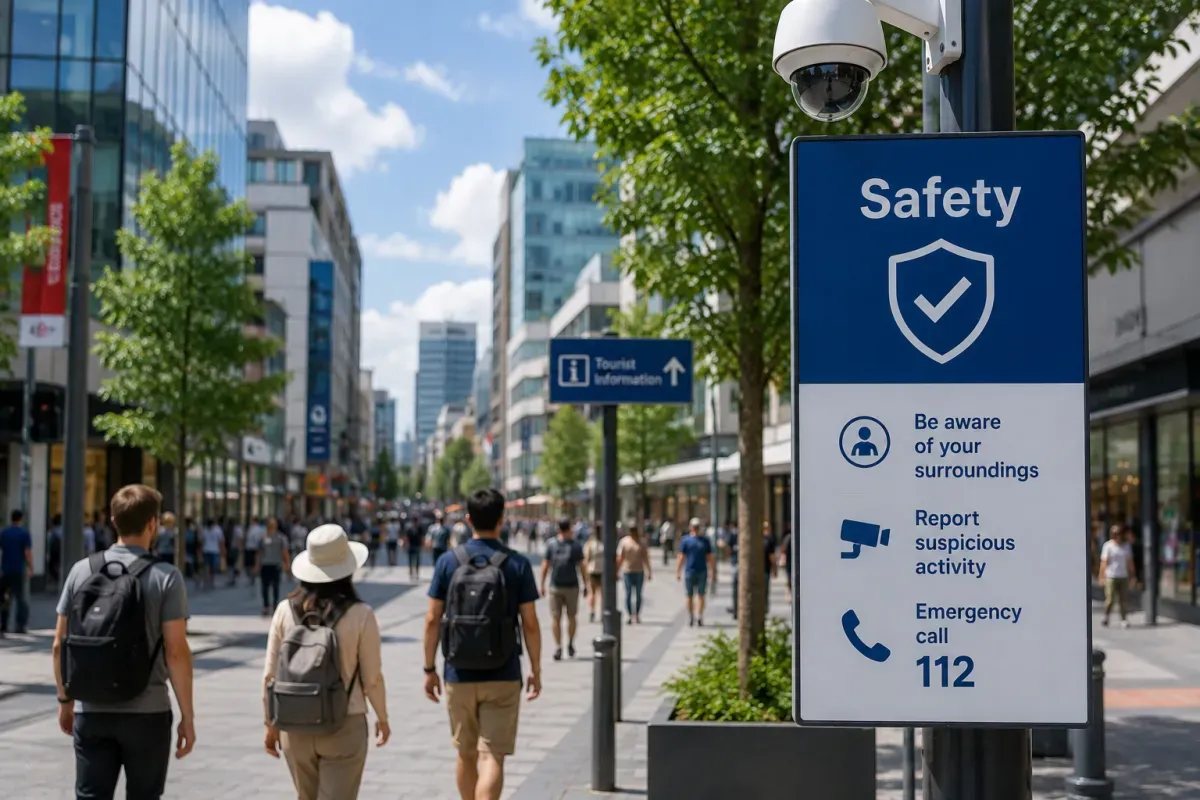
Belgium is a safe, prosperous EU country. The main risk for visitors is pickpocketing in tourist areas and busy stations.
- Overall
- Very safe for tourists
- Main risk
- Pickpocketing in Brussels and stations
- Emergency
- 112 (general), 101 (police)
- Violent crime against tourists is rare and Belgium enjoys stable, well-developed infrastructure. Stay alert to pickpockets in crowded tourist spots and on public transport, especially in Brussels.
Danger Zones & Areas to Avoid
Regions with poor security or restricted access
There are no no-go areas in Belgium. Use normal caution around some Brussels districts and train stations late at night.
- No-go areas
- None
- Watch at night
- Some Brussels districts, stations
- Cities
- Brussels, Bruges, Ghent, Antwerp all safe
- Tourist cities such as Bruges, Ghent and Antwerp are very safe. In Brussels, take normal city precautions around Gare du Midi and a few busy districts, especially late at night.
Natural Disaster Risks
Earthquakes, typhoons, floods, and other hazards
Natural disaster risk is low. Occasional flooding, winter storms and summer heatwaves can occur.
- Overall risk
- Low
- Main hazards
- Flooding, storms, summer heat
- Earthquakes
- Very rare, minor
- Heavy rain has caused serious flooding in some regions in recent years, and summer heatwaves are becoming more common. Check local weather warnings during your trip.
Health & Disease Risks
Endemic diseases and hygiene concerns
Belgium has high-quality healthcare and safe tap water. No special vaccinations are required for most travellers.
- Healthcare
- Excellent, widely available
- Tap water
- Safe to drink
- Vaccines
- Routine only for most travellers
- Public and private hospitals offer high standards of care, and pharmacies are widespread. Bring any prescription medication with a doctor's note and keep insurance details handy.
Crime & Scam Trends
Common crimes and scams targeting tourists
Pickpocketing and bag theft are common in Brussels, on trains and at Brussels-Midi/Zuid station and tourist spots.
- Main crime
- Pickpocketing, bag snatching
- Hotspots
- Brussels-Midi/Zuid, trains, tourist areas
- Tip
- Keep bags closed and in sight
- Thieves target crowded stations, metro cars and popular sights such as the Grand-Place. Keep valuables secure, watch your belongings on international trains, and be wary of distraction tricks.
Political Situation & Protests
Political instability and potential demonstrations
Belgium is a stable democracy. Occasional strikes and demonstrations can disrupt transport and services.
- Stability
- Stable EU democracy
- Disruptions
- Strikes, demonstrations
- Advice
- Check transport before travelling
- National and sector strikes can suddenly affect trains, flights and public transport. Demonstrations in Brussels are usually peaceful but can cause road closures, so avoid large gatherings.
Local Laws & Prohibitions
Important local laws and penalties for travelers
Belgium follows EU norms. Carry ID at all times, and expect national strikes to affect transport.
- ID
- Carry ID/passport at all times
- Languages
- Dutch, French, German by region
- Strikes
- Can affect transport nationwide
- You are legally required to carry identification. Belgium is multilingual, so signage and official language vary between Flanders, Wallonia and Brussels. Standard EU rules apply to drugs and public conduct.
Emergency Contacts
Police, ambulance, and fire department numbers
Dial 112 for any emergency (ambulance, fire, general) and 101 for police.
- General/Ambulance/Fire
- 112
- Police
- 101
- EU-wide
- 112 works across the EU
- Operators can usually assist in English as well as Dutch and French. The number 112 works from any phone, including mobiles without a SIM.
Embassy & Consulate Info
Location and contact details of your embassy
No embassy or consulate information is available for your selected nationality in this country.
Travel Insurance
Recommended coverage and tips for choosing a policy
Europeans can use an EHIC/GHIC where valid; other travellers should take comprehensive travel insurance.
- Europeans
- EHIC/GHIC where valid
- Others
- Comprehensive travel insurance
- Cover
- Medical care and repatriation
- An EHIC or GHIC covers state-provided medical care for eligible European visitors but is not a substitute for full travel insurance. Make sure your policy covers medical costs, repatriation and activities you plan to do.