
Currency & Payment
Exchange rates fluctuate daily. Check current rates locally.
Local Currency Overview
Currency type, banknotes, and coin denominations
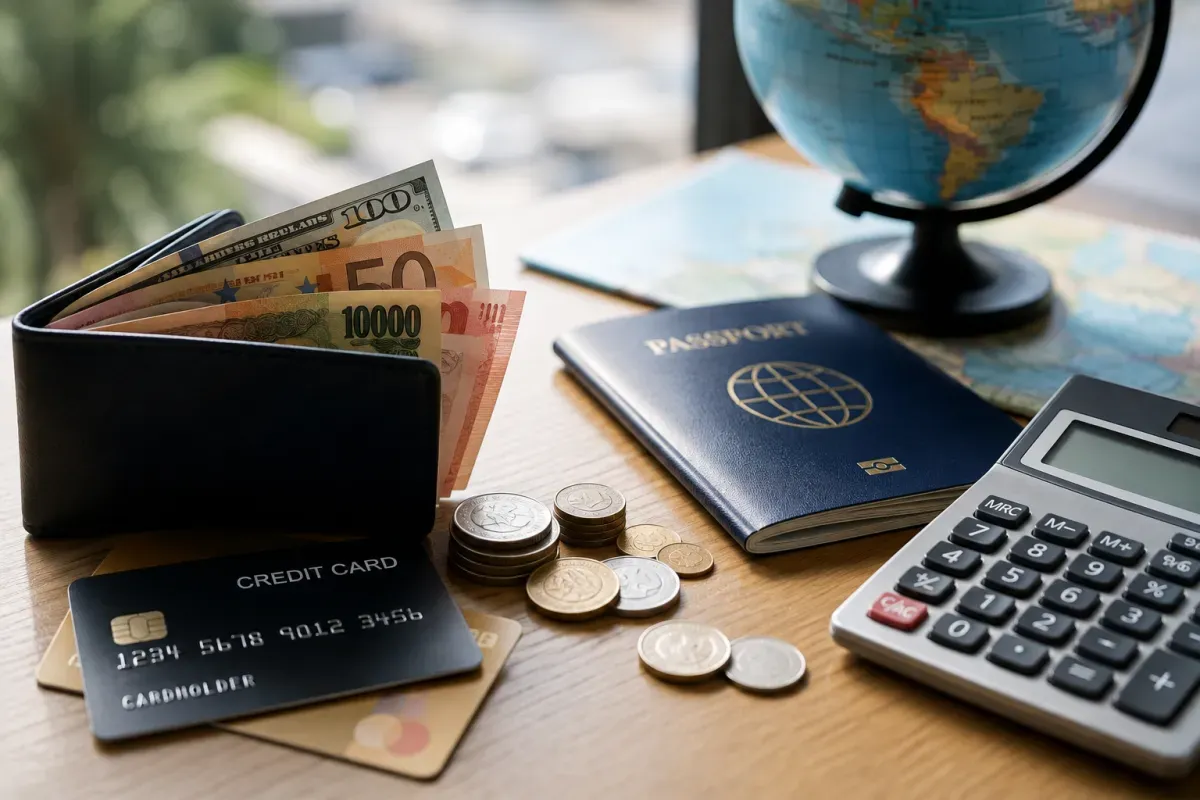
Chile uses the Chilean peso (CLP), written with the $ sign. It comes in coins and banknotes, with common notes such as 1,000, 2,000, 5,000, 10,000 and 20,000 pesos. Because of the exchange rate, everyday prices look large in figures. Carry some cash for small vendors, markets and rural areas, but cards work in most cities.
- Currency
- Chilean peso (CLP, $)
- Forms
- Coins and banknotes
- Note
- Prices look large in figures
- Common notes: 1,000 / 2,000 / 5,000 / 10,000 / 20,000 pesos
- Keep small cash for markets and rural areas
Currency Exchange Tips
Best places and methods to exchange money
You can exchange money at banks and at exchange bureaus (casa de cambio), which cluster in city centres and often offer better rates than airports. US dollars are the easiest foreign currency to change. Compare rates and commissions, and withdrawing from an ATM is usually convenient too. Keep small denominations for everyday spending.
- Where
- Casa de cambio / banks
- Best rates
- City-centre bureaus
- Easiest
- US dollars
- Airport rates are usually worse than city-centre bureaus
- US dollars are the most widely accepted foreign currency to exchange
Credit Card Acceptance
Card brand availability and usage tips
Credit and debit cards are widely accepted in Chilean cities, hotels, restaurants and larger shops, and Visa and Mastercard are the most useful. Contactless payment is common in urban areas. Carry some cash for small vendors, markets, rural areas and public transport, where cards may not be taken.
- Acceptance
- Wide in cities
- Networks
- Visa / Mastercard
- Cash
- For markets/rural areas
- Contactless is common in urban areas
- Small vendors and rural areas may be cash-only
ATM Usage
How to withdraw cash and associated fees
ATMs are widely available in Chilean cities and belong to the Redbanc network. Foreign cards work at most machines, but withdrawal fees for foreign cards can be high, so withdraw larger amounts less often. Always decline the machine's home-currency conversion (DCC) to get a better rate, and use ATMs in banks or malls for safety.
- Network
- Redbanc
- Fees
- Foreign-card fees can be high
- Tip
- Decline home-currency conversion
- Withdraw larger amounts less often to reduce fees
- Use ATMs inside banks or malls for safety
Mobile & Digital Payments
Digital payment services available locally
Mobile payment is growing in Chile through bank apps and services such as MACH and Mercado Pago, but many of these need a local account or ID, so visitors often cannot register. For tourists the easiest option is contactless cards plus Apple Pay and Google Pay, which are accepted in most city shops that take cards.
- Local apps
- MACH / Mercado Pago
- For visitors
- Apple Pay / Google Pay
- Note
- Local apps need a local account
- Contactless cards cover most situations for tourists
Tipping Culture
Expected tipping amounts and etiquette
In Chilean restaurants a 10% tip (propina) is customary and the bill often shows a suggested "10% sugerido" line. It is voluntary, so you can adjust or decline it, but leaving 10% for good service is the norm. Tipping is not expected for taxis or in bars beyond rounding up.
- Restaurant
- 10% customary (voluntary)
- On the bill
- "10% sugerido" line
- Taxis
- Rounding up is fine
- The suggested 10% is voluntary and can be adjusted
- No tip needed for taxis beyond rounding up the fare
Price Guide
Average costs for meals, transport, and accommodation
Chile is moderately priced by South American standards, with Santiago and tourist hotspots like Torres del Paine being pricier. You can save with the fixed-price weekday set lunch (menú del día), local markets (ferias) and street food, while imported goods and Patagonian tours cost more. Many parks and outdoor sights are cheap or free.
- Level
- Moderate; Santiago pricier
- Costly
- Patagonia tours, imports
- Save
- Menú del día, ferias
- Many parks and outdoor sights are cheap or free
Foreign tourists can be exempt from the 19% IVA (VAT) on hotel accommodation when they pay in US dollars or foreign currency and show their passport and tourist card. To get the exemption, tell the hotel at check-in and pay in the accepted foreign currency. A general VAT refund on goods bought in shops is limited, so ask each merchant about their tax-free scheme.
- Hotels
- IVA exempt if paid in USD
- How
- Passport + tourist card
- Goods
- Refund limited
- Tell the hotel at check-in and pay in foreign currency for the IVA exemption
- A VAT refund on shop goods is limited; ask each merchant