
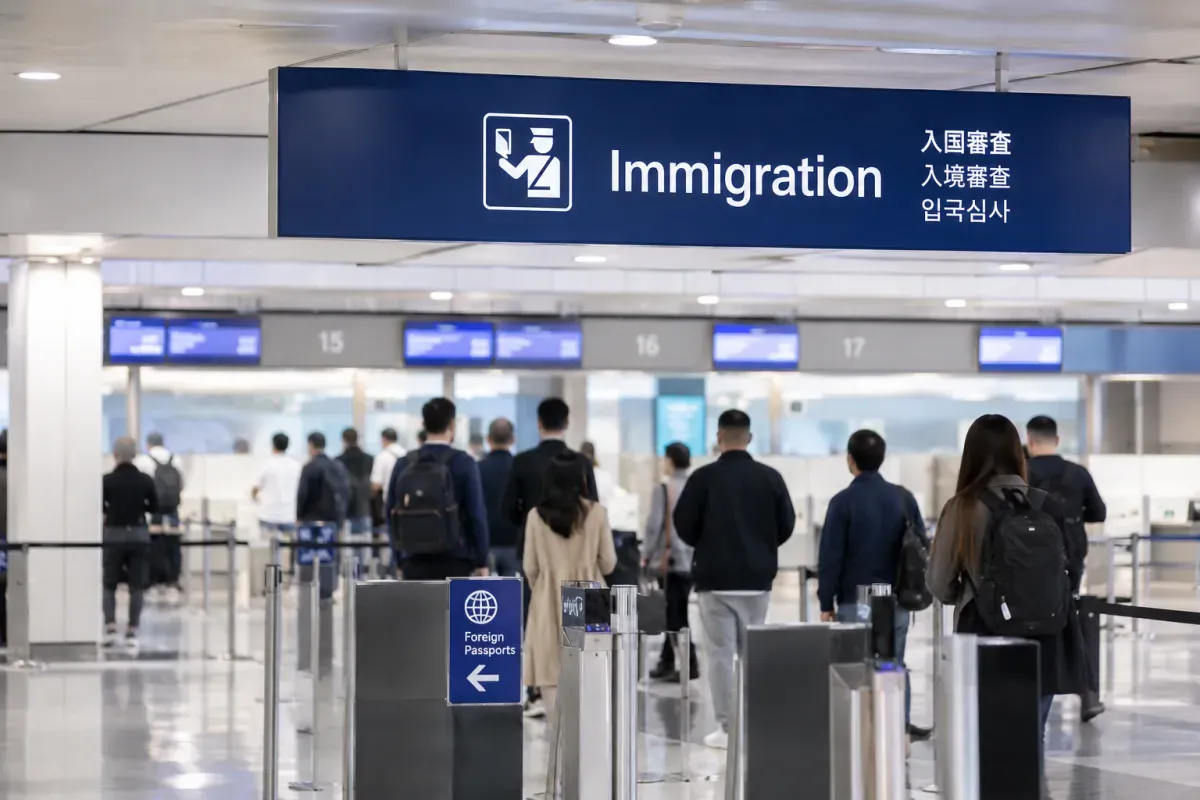
Entry Procedures
Visa and entry requirements depend on the country that issued your passport. The information here is general guidance. Always confirm the requirements for your own nationality with the official source.
This information is for general guidance only. Please verify with the embassy or official government sources before traveling.
Visa Requirements
Types of visas required and their conditions
Costa Rica grants visa-free tourist entry to many nationalities, including Japan, most EU countries and the United States, typically for stays of up to 90 days. Travellers from other countries may need a visa arranged in advance. The permitted length of stay is decided by the immigration officer at entry. Rules can change, so check the official Costa Rican immigration sources and your embassy before you travel.
- Visa-free
- Up to 90 days (many nationalities)
- Depends on
- Your nationality
- Check
- Official sources
- Visa-free entry and the exact length depend on your nationality
- The final permitted stay is set by the immigration officer
Passport Conditions
Required validity period and blank pages
Your passport should be valid with sufficient remaining validity for your stay, and many travellers are advised to keep at least several months beyond the planned departure date. Costa Rican officers frequently ask for proof of onward or return travel and may request evidence of sufficient funds. Keep these ready to avoid problems at entry.
- Validity
- Cover your full stay
- Onward ticket
- Often requested
- Funds
- May be checked
- Officers often ask for a return or onward ticket
- Proof of sufficient funds for your stay may be requested
Required Documents & Pre-registration
Arrival cards, health declarations, and other preparations
On arrival you may be asked for documents in addition to your passport. These commonly include a return or onward ticket, proof of accommodation such as a hotel booking, and evidence of sufficient funds for your stay. Travel insurance is recommended. Having these ready helps entry go smoothly.
- Ticket
- Return/onward
- Stay
- Accommodation proof
- Funds
- Sufficient means
- Carry proof of accommodation and onward travel
- Evidence of funds and travel insurance may be requested
Cash Import Limits
Declaration-free limits and procedures for excess amounts
If you enter or leave Costa Rica carrying cash or negotiable instruments equal to or above the equivalent of US$10,000, you must declare it to customs. Failing to declare large amounts can lead to fines or seizure. There is no limit on how much you can carry, only a requirement to declare above the threshold.
- Threshold
- US$10,000 equivalent
- Action
- Declare at customs
- Applies to
- Entry and exit
- The threshold covers cash and negotiable instruments combined
- Not declaring can result in fines or confiscation
Duty-Free Allowances & Restricted Items
Limits on tobacco, alcohol, food, and other goods
Travellers may bring personal effects and a reasonable duty-free allowance of goods such as a limited quantity of alcohol and tobacco for personal use. Bringing fresh food, plants, seeds and animal products is tightly controlled for biosecurity and may require inspection or be prohibited. Declare any regulated items and keep receipts for valuable electronics.
- Personal use
- Reasonable allowance
- Food/plants
- Quarantine controlled
- Declare
- Regulated items
- Fresh food, plants and animal products face strict controls
- Keep receipts for valuable items you bring in
Prohibited Items
Items that are strictly forbidden from import
Illegal drugs and unlicensed weapons are strictly prohibited and carry severe penalties. Costa Rica also protects its rich biodiversity: taking or trading protected wildlife and plants, including sea turtle eggs, coral and certain shells or hardwoods, is illegal. Do not buy or carry such items. Some agricultural and animal products are also restricted or banned.
- Banned
- Drugs, illegal weapons
- Protected
- Wildlife incl. turtle eggs
- Avoid
- Coral, shells, hardwoods
- Trading protected wildlife and plants is a serious offence
- Do not buy sea turtle eggs, coral or protected souvenirs
Medication Import Rules
Rules for bringing prescription and over-the-counter drugs
You can generally bring prescription medicines for personal use, but carry them in their original packaging and bring a copy of your prescription or a doctor’s letter, ideally in English or Spanish. This is especially important for controlled substances and injectables. Pack medicines in your hand luggage and bring enough for your whole trip, as specific brands may not be available locally.
- Prescription
- Carry a copy
- Packaging
- Keep original
- Amount
- Enough for the trip
- A doctor’s letter helps for controlled or injectable drugs
- Keep medicines in hand luggage in original packaging
Vaccinations & Health Requirements
Required and recommended vaccines for entry
No vaccination is required for travellers arriving directly from countries without yellow fever risk, such as Japan. However, a yellow fever vaccination certificate is required if you are arriving from or have recently transited a country with yellow fever risk in Africa or South America. Routine vaccines should be up to date, and check current health advice before you travel.
- Yellow fever
- Only from risk countries
- Direct arrival
- No certificate needed
- Routine
- Keep up to date
- A yellow fever certificate is required if arriving from a risk country
- Check current official health advice before travel
Immigration Process
Step-by-step guide from arrival to clearing immigration
Most travellers arrive at Juan Santamaría International Airport near San José or Daniel Oduber Quirós in Liberia. Costa Rica has been moving toward a digital entry form that you complete online before arrival, so check the current requirement. At the counter the officer may ask about your length of stay, address and onward travel before stamping your passport.
- Main airport
- San José (SJO)
- Entry form
- Digital, check current
- Questions
- Stay, address, onward
- Complete any required online entry form before you arrive
- Have your accommodation and onward ticket details ready
Tips for Smooth Entry
Practical advice for a hassle-free arrival
Arrivals can be busy, so allow time and have your documents organised. Many services and buses use US dollars and colones interchangeably, but small local currency is handy. There is a departure tax, though it is usually included in the airfare; confirm when booking. Roads can be rough in rural areas, so plan transfers in advance during the rainy season.
- Documents
- Keep them organised
- Departure tax
- Often in the fare
- Transfers
- Plan ahead in rains
- Confirm whether departure tax is included in your ticket
- Rural roads and rains can slow transfers; plan ahead