
Travel Advisory
Please check your government's official travel advisory before departure. Situations can change rapidly.
Safety Level
Official risk level and travel advisories
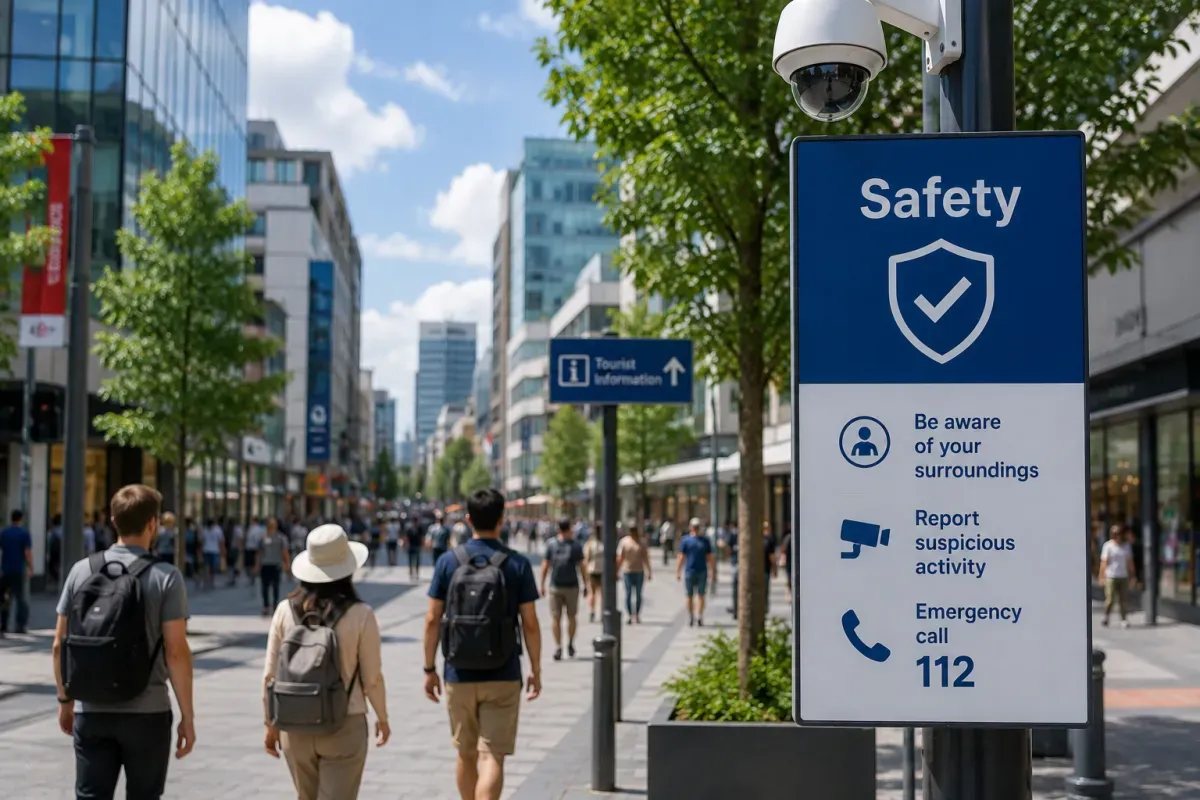
Czechia is a safe EU/Schengen tourist destination. Watch closely for pickpockets around Prague's Old Town, Charles Bridge and the metro.
- Overall risk
- Low; generally very safe for travellers
- Main concern
- Pickpocketing and bag theft in Prague tourist areas
- Emergency number
- 112 (all services)
- Czechia enjoys a stable society and reliable services. Exercise normal precautions and stay alert in crowded parts of Prague, especially the Old Town Square, Charles Bridge and public transport.
Danger Zones & Areas to Avoid
Regions with poor security or restricted access
There are no no-go areas for tourists. Petty crime is concentrated in crowded tourist spots; use normal caution in some areas late at night.
- No-go areas
- None for typical travellers
- At night
- Extra care in nightlife districts and around stations
- Most incidents affecting visitors are opportunistic thefts in busy areas rather than violent crime. Stay in well-lit central and tourist districts after dark and keep valuables secure.
Natural Disaster Risks
Earthquakes, typhoons, floods, and other hazards
Czechia is inland with low disaster risk. River flooding along the Elbe (Labe) and Vltava can occur occasionally, mainly after heavy rain or snowmelt.
- Main hazard
- Occasional river flooding (Elbe/Vltava basins)
- Seismic risk
- Very low
- Season
- Flood risk highest after heavy rain or spring snowmelt
- Large-scale disasters are uncommon. In periods of heavy rain, monitor local flood warnings and avoid low-lying riverside areas. Winters can bring snow and ice affecting travel.
Health & Disease Risks
Endemic diseases and hygiene concerns
Czechia has good healthcare and safe tap water. Tick-borne encephalitis (TBE) is a consideration for forest and rural areas from spring to autumn.
- Healthcare
- Good public and private care, widely available
- Tick-borne risk
- TBE in wooded areas, spring to autumn
- EU cover
- EHIC/GHIC accepted within the EU system
- Tap water is generally safe. If hiking in forests, use insect repellent and check for ticks; a TBE vaccine may be worth discussing with a doctor. Carry personal medication with a prescription.
Crime & Scam Trends
Common crimes and scams targeting tourists
Watch for currency-exchange rip-offs, taxi overcharging and fake-police scams in Prague. Avoid street money changers and use official or app-based taxis.
- Money exchange
- Never change money on the street; use reputable exchanges
- Taxis
- Use official ranks or ride-hailing apps to avoid overcharging
- Fake police
- Scammers may ask to "check" your cash or documents
- Prices should be clearly displayed before exchanging money. Genuine police do not demand to inspect your wallet on the street. Keep valuables secure and be alert to staged distractions in crowds.
Political Situation & Protests
Political instability and potential demonstrations
Czechia is a stable EU democracy with no specific travel restrictions. Occasional demonstrations in Prague are usually peaceful.
- Stability
- Established democracy, EU and NATO member
- Demonstrations
- Generally peaceful; avoid crowds if they gather
- Advice
- Check your government's latest travel advice before travelling
- Political life is stable. Public gatherings may cause temporary disruption in central Prague; it is sensible to avoid large crowds and follow local guidance. For the latest situation, consult your foreign ministry.
Local Laws & Prohibitions
Important local laws and penalties for travelers
Respect local rules: public drinking is restricted in some areas, drugs are illegal, always validate transport tickets, and follow smoking bans.
- Alcohol
- Public drinking restricted in designated zones
- Drugs
- Illegal; small-quantity possession is decriminalised but still penalised
- Transport tickets
- Validate tickets; ticket inspectors fine fare dodgers
- Buy and validate public-transport tickets before travelling, as inspectors issue on-the-spot fines. Smoking is banned in enclosed public spaces. Drug laws are enforced despite limited decriminalisation of small amounts.
Emergency Contacts
Police, ambulance, and fire department numbers
The pan-European emergency number 112 works throughout Czechia. Direct lines: police 158, ambulance 155, fire 150. Country code is +420.
- All emergencies
- 112
- Police / Ambulance / Fire
- 158 / 155 / 150
- Country code
- +420
- Operators on 112 generally speak English. Save your embassy contact details before travel. From abroad, dial +420 before the local number.
Embassy & Consulate Info
Location and contact details of your embassy
No embassy or consulate information is available for your selected nationality in this country.
Travel Insurance
Recommended coverage and tips for choosing a policy
Comprehensive travel insurance is recommended. It is commonly required when applying for a Schengen visa and should cover medical care, cancellation and belongings.
- Recommended cover
- Medical, cancellation, baggage and personal items
- Schengen visa
- Insurance is typically required for the application
- EU visitors
- EHIC/GHIC helps but does not replace full insurance
- Choose a policy covering emergency treatment, repatriation and activities you plan to do. EU visitors can use EHIC/GHIC for public care, but private travel insurance is still advisable for wider protection.