
Travel Advisory
Please check your government's official travel advisory before departure. Situations can change rapidly.
Safety Level
Official risk level and travel advisories
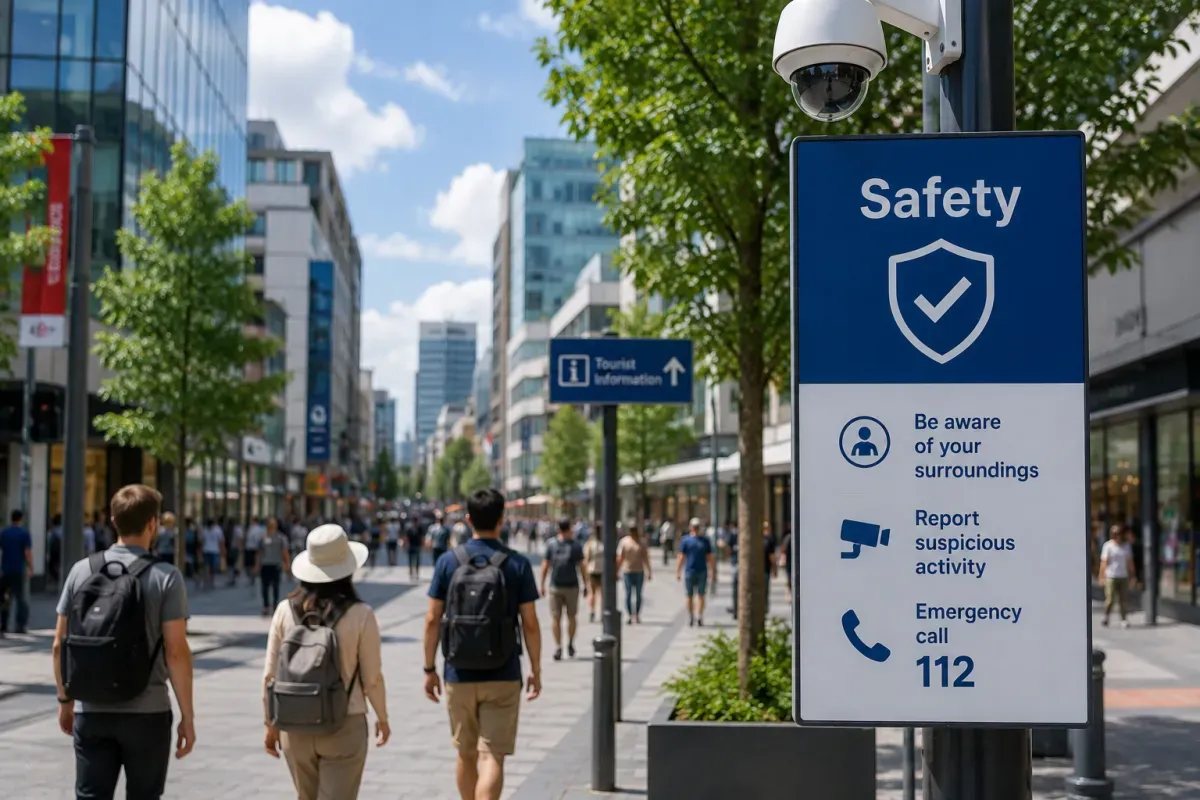
Greece is a safe and welcoming destination, with low violent crime and warm hospitality. Most visits are trouble-free; the main day-to-day risks are pickpocketing in busy tourist areas such as the Athens metro, plus summer heat and wildfire risk. Greece also lies in an earthquake zone. Stay aware in crowds and follow official warnings.
- Overall
- Very safe
- Main risks
- Pickpockets, heat
- Emergency
- 112
- Violent crime against visitors is rare
- Watch heatwaves, wildfires and quakes
Danger Zones & Areas to Avoid
Regions with poor security or restricted access
There are no no-go zones for tourists in Greece. In central Athens, keep normal awareness around Omonia and parts of Exarcheia late at night, and watch belongings on the metro and around Monastiraki. Islands and resort towns are generally very safe. During summer, the bigger concern is not crime but heat and wildfire zones, so check local advisories.
- City
- Generally safe
- Athens
- Omonia at night
- Islands
- Very safe
- No off-limits areas for visitors
- Summer wildfire zones matter more than crime
Natural Disaster Risks
Earthquakes, typhoons, floods, and other hazards
Summer brings intense heat, heatwaves and a serious wildfire risk, with major fires in recent years across Attica, the Peloponnese and several islands. Greece is also seismically active and can experience earthquakes. Follow the 112 emergency alert system, avoid forested areas on high-risk days, stay hydrated, and check official civil protection guidance during your trip.
- Summer
- Heat, wildfires
- Quakes
- Seismic zone
- Alerts
- 112 system
- Recent years saw large-scale wildfires
- Heed 112 alerts and avoid forests on red days
Health & Disease Risks
Endemic diseases and hygiene concerns
Healthcare in Greece is good, especially in cities. Tap water is generally safe to drink in mainland cities such as Athens and Thessaloniki, but on many islands and in rural areas bottled water is recommended. The biggest seasonal risk is summer heat, so pace yourself, use sun protection and stay hydrated. Carry travel insurance and any personal medication.
- Care
- Good, better in cities
- Tap water
- Cities OK, islands bottled
- Summer
- Heat, sun
- Bottled water is safer on islands and rural areas
- Manage heat with shade, water and sunscreen
Crime & Scam Trends
Common crimes and scams targeting tourists
The most common issue is pickpocketing, especially on the Athens metro and around Omonia and Monastiraki, at ferry ports and in crowded tourist spots. Watch for distraction tricks, bar overcharging in nightlife areas and unofficial taxis. Keep valuables secure, use a card where possible and agree taxi fares or use an app. Violent crime against tourists is rare.
- Main risk
- Pickpockets
- Hotspots
- Metro, Monastiraki
- Watch
- Bar scams, taxis
- Guard bags on the metro and at ferry ports
- Beware bar overcharging and unofficial taxis
Political Situation & Protests
Political instability and potential demonstrations
Greece is a stable EU democracy and generally calm for visitors. Occasional demonstrations and strikes take place, mainly in central Athens around Syntagma Square and Exarcheia, and transport or ferry strikes can disrupt travel. Protests are usually peaceful but can turn tense, so avoid gatherings, allow buffer time and check local news and official advice.
- Stability
- Stable EU state
- Protests
- Central Athens
- Strikes
- Can affect transport
- Avoid demonstrations even if peaceful
- Strikes can disrupt ferries and transport
Local Laws & Prohibitions
Important local laws and penalties for travelers
Respect rules at archaeological sites: do not touch or remove artefacts, and follow signs that restrict photography, selfie sticks, drones and certain footwear such as high heels at ancient monuments. Dress modestly when visiting monasteries and churches. Drug laws are strict, and drinking is fine but public drunkenness is frowned upon. Always carry photo ID.
- Ruins
- No touching artefacts
- Rules
- Selfie sticks, drones
- Dress
- Modest at churches
- Follow site signs on photos and footwear
- Carry ID and respect drug and alcohol rules
Emergency Contacts
Police, ambulance, and fire department numbers
In an emergency, dial 112, the free EU-wide number that reaches police, fire and ambulance and works from any phone. You can also call police on 100, the fire service on 199 and an ambulance on 166. Operators often speak English, especially in tourist areas. Save these numbers on arrival and note your accommodation address.
- All-in-one
- 112
- Police/Fire
- 100 / 199
- Ambulance
- 166
- 112 works from any phone across the EU
- Save numbers and know your address
Embassy & Consulate Info
Location and contact details of your embassy
No embassy or consulate information is available for your selected nationality in this country.
Travel Insurance
Recommended coverage and tips for choosing a policy
Comprehensive travel insurance is strongly recommended. EU and UK visitors can use the EHIC or GHIC card for state healthcare, but this does not cover private clinics, repatriation or ferry cancellations, so private insurance is still wise. Choose a policy that covers medical care, island ferry disruption, watersports and any adventure activities you plan. Keep documents accessible on your phone.
- Advice
- Get insurance
- EU/UK
- EHIC/GHIC helps
- Cover
- Medical, ferries
- EHIC/GHIC does not replace private insurance
- Check cover for watersports and ferries