
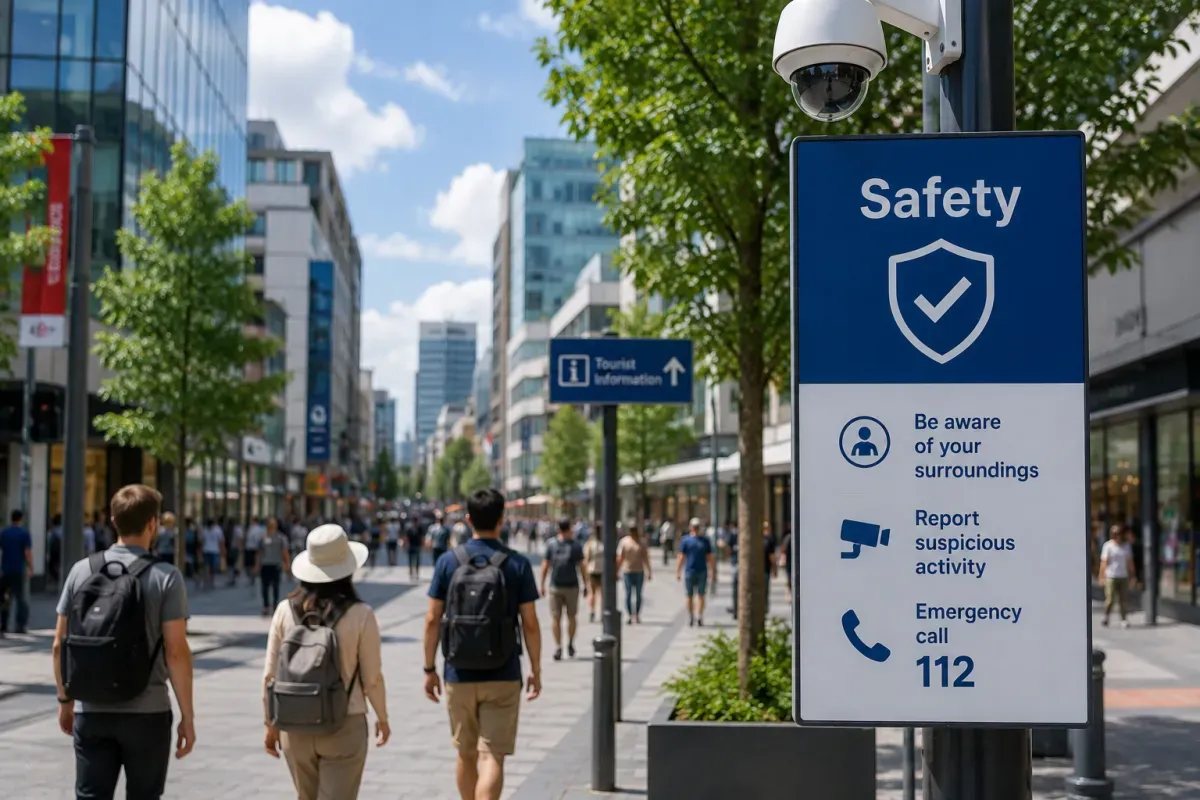
Travel Advisory
Please check your government's official travel advisory before departure. Situations can change rapidly.
Safety Level
Official risk level and travel advisories
Ireland is a safe, stable EU country with friendly locals. Watch for pickpockets and bag theft in central Dublin tourist areas.
- Overall risk
- Low; generally very safe for visitors
- Main concern
- Petty theft and pickpocketing in busy tourist spots
- Emergency number
- 112 or 999 (both work)
- Ireland enjoys low levels of violent crime and a strong rule of law. Exercise normal precautions and stay alert around O'Connell Street and Temple Bar in central Dublin, especially at night.
Danger Zones & Areas to Avoid
Regions with poor security or restricted access
There are no no-go areas for tourists. Use normal caution in some inner-city areas of Dublin at night.
- No-go areas
- None for typical travellers
- At night
- Some inner-city districts of Dublin warrant extra care
- Ireland is broadly safe throughout. Occasional anti-social behaviour occurs in parts of central Dublin after dark; stick to well-lit main streets and tourist areas.
Natural Disaster Risks
Earthquakes, typhoons, floods, and other hazards
Natural disaster risk is low. Expect frequent Atlantic wind and rain, occasional severe storms, and localised flooding. Earthquakes and typhoons are not a concern.
- Weather
- Frequent rain and strong Atlantic winds year-round
- Storms
- Occasional named winter storms and flooding
- Seismic risk
- Negligible
- The main hazard is weather. Check Met Eireann warnings before travelling in winter, when storms can disrupt transport and ferries. Bring waterproof clothing in any season.
Health & Disease Risks
Endemic diseases and hygiene concerns
Ireland has good healthcare. Tap water is generally safe to drink; note occasional local boil-water notices.
- Healthcare
- Good public and private care
- Tap water
- Generally safe; heed any local boil notices
- Emergency
- 112 or 999 for ambulance
- Medical facilities are modern in cities; rural areas may have fewer services. No special vaccinations are required for typical travel; carry personal medication with a prescription.
Crime & Scam Trends
Common crimes and scams targeting tourists
Pickpocketing and bag theft occur in central Dublin, especially around O'Connell Street and Temple Bar. Violent crime against tourists is rare.
- Main risk
- Pickpocketing and bag snatching in crowds
- Hotspots
- O'Connell Street, Temple Bar, public transport, tourist sites
- Advice
- Keep valuables secure and out of sight
- Thieves target distracted tourists in busy areas and pubs. Do not leave bags or phones unattended, keep valuables close, and be wary of staged distractions.
Political Situation & Protests
Political instability and potential demonstrations
Ireland is a stable parliamentary republic with a high standard of governance and civil order.
- Government
- Stable parliamentary republic
- Stability
- High; peaceful political environment
- Demonstrations are rare and generally peaceful. There are no significant political risks for visitors. Follow local news and official advice as usual.
Local Laws & Prohibitions
Important local laws and penalties for travelers
Traffic drives on the left. Ireland uses the euro (EUR). Respect drink-driving and smoking laws, which are strictly enforced.
- Driving
- Drive on the LEFT; UK-style rules
- Currency
- Euro (EUR)
- Laws
- Strict drink-driving limits; smoking banned indoors in public places
- Carry ID and drive on the left with caution, especially on narrow rural roads. Penalties for drink-driving are severe. Entry requirements can vary by nationality, so check official sources before travel.
Emergency Contacts
Police, ambulance, and fire department numbers
For all emergencies dial 112 or 999: police (Garda), ambulance and fire. Both numbers work nationwide.
- All emergencies
- 112 or 999
- Police
- An Garda Siochana (Gardai)
- Note
- Operators speak English
- Both 112 (EU standard) and 999 reach police, ambulance and fire across Ireland. The police service is called An Garda Siochana, known as the Gardai.
Embassy & Consulate Info
Location and contact details of your embassy
No embassy or consulate information is available for your selected nationality in this country.
Travel Insurance
Recommended coverage and tips for choosing a policy
Europeans can use a valid EHIC/GHIC where applicable; all other travellers should carry comprehensive travel insurance.
- EU/EEA/UK
- EHIC or GHIC covers necessary public care
- Others
- Comprehensive insurance with medical cover
- Include
- Medical treatment and repatriation
- An EHIC/GHIC is not a substitute for full travel insurance. Make sure your policy covers medical treatment, repatriation and any activities you plan.