
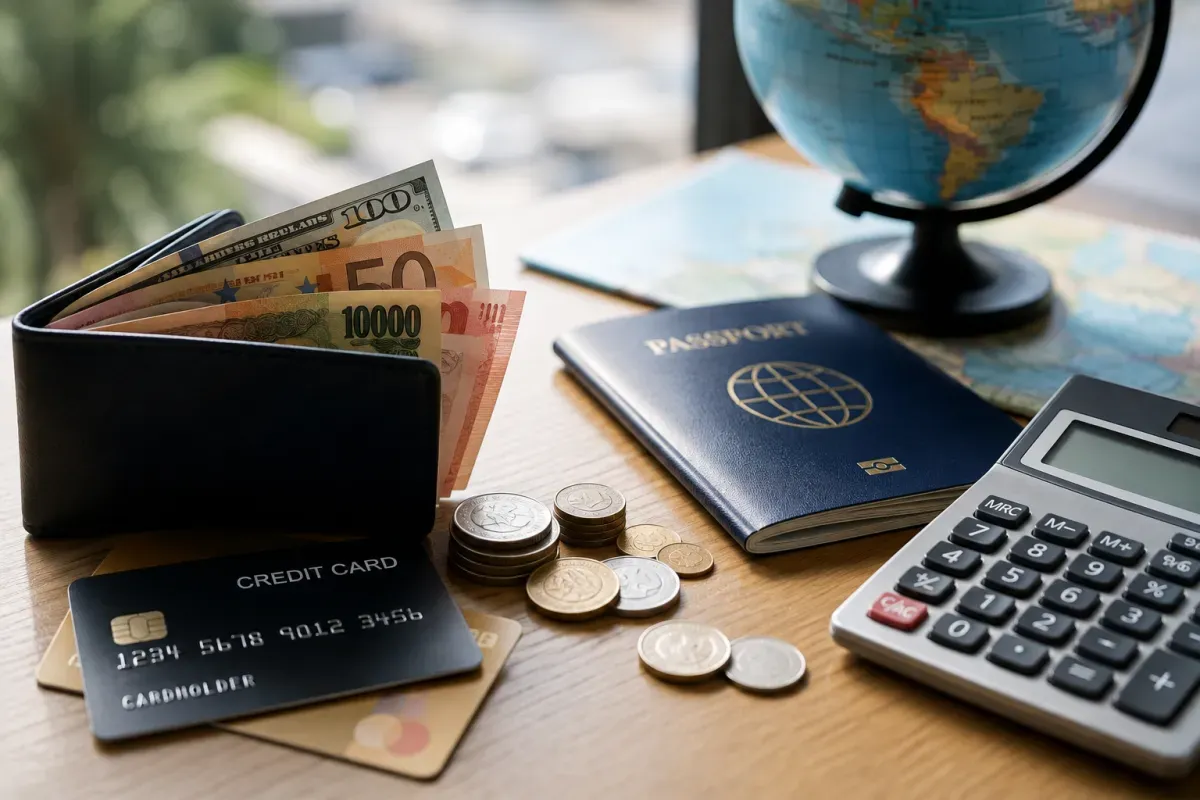
Currency & Payment
Exchange rates fluctuate daily. Check current rates locally.
Local Currency Overview
Currency type, banknotes, and coin denominations
The official currency is the Cambodian riel (KHR), but in practice the US dollar is the main currency for travellers: hotels, tours, restaurants and many shops quote and take prices in dollars. Riel is used mostly for small change and low-value items, and you often get change back in riel for a dollar payment. Carry clean, small US dollar notes, expect a mix of both currencies, and keep small riel for markets, tuk-tuks and tips.
- Official
- Riel (KHR)
- In practice
- US dollar
- Change
- Often in riel
- Prices are often quoted in US dollars
- Small change usually comes back in riel
Currency Exchange Tips
Best places and methods to exchange money
Because the US dollar is so widely used, many visitors do little formal money changing. If you need riel, or want to exchange another currency, use banks, licensed exchange counters and reputable jewellery or gold shops in the cities, which often give fair rates. Bring clean, undamaged US dollar notes, as torn or marked notes are frequently refused. Compare rates, count your change, and keep small notes handy for daily spending.
- Often skip
- USD widely used
- For riel
- Banks, licensed
- Notes
- Clean USD only
- Torn US notes are often refused
- Compare rates and count your change
Credit Card Acceptance
Card brand availability and usage tips
Cambodia is largely a cash economy, mainly in US dollars. Cards work at bigger hotels, mid-range and upmarket restaurants, tour operators and larger shops in Phnom Penh and Siem Reap, but small guesthouses, markets, street food, tuk-tuks and rural areas expect cash. Visa and Mastercard are the most accepted, sometimes with a surcharge. Tell your bank you are travelling and always carry enough US dollars in small notes as your main payment method.
- Mostly
- Cash economy
- Cards at
- Hotels, big shops
- Carry
- Small USD notes
- Markets and tuk-tuks are cash only
- Some card payments add a surcharge
ATM Usage
How to withdraw cash and associated fees
ATMs are common in Phnom Penh, Siem Reap and other towns, and most dispense US dollars, sometimes with a choice of riel. Foreign cards usually work, but each withdrawal often carries a fixed local fee on top of your bank's charge, so take out larger amounts less often. Machines may only give higher-value notes, which can be hard to break, so ask for smaller ones where possible. Use ATMs at banks by day and shield your PIN.
- Dispense
- Mostly USD
- Fees
- Fixed per withdrawal
- Tip
- Withdraw larger, less often
- Each withdrawal often has a fixed local fee
- Use bank ATMs by day and shield your PIN
Mobile & Digital Payments
Digital payment services available locally
Locals increasingly pay by phone using apps such as ABA Pay and the Bakong system, and QR codes appear even at small stalls. However, these usually need a local bank account, so most travellers still rely on cash in US dollars. Some hotels, cafes and larger venues take international cards or scan-to-pay, and the KHQR standard is spreading. For a short trip, plan around cash, keep small US dollar notes, and treat mobile pay as a bonus, not your main method.
- Local apps
- ABA Pay, Bakong
- Travellers
- Mostly cash
- Standard
- KHQR spreading
- Local apps usually need a local bank account
- Plan around cash in US dollars
Tipping Culture
Expected tipping amounts and etiquette
Tipping is not a strict obligation in Cambodia but is warmly appreciated, since wages are low and tips make a real difference. Rounding up or leaving a dollar or two for good service in restaurants is common, and some places add a service charge to the bill. A small tip for tuk-tuk drivers, guides, hotel staff and spa therapists is welcome. Tip in US dollars or riel, and keep small notes so you can give the right amount easily.
- Norm
- Appreciated, not required
- Restaurants
- Round up / a dollar
- Also tip
- Guides, drivers
- Tips make a real difference to low wages
- Keep small notes to tip easily
Price Guide
Average costs for meals, transport, and accommodation
Cambodia is generally affordable for travellers. Local street food and market meals are very cheap, a casual restaurant meal is modest, and Western-style dining in Siem Reap or Phnom Penh costs more. Guesthouses are budget-friendly, while boutique hotels and resorts climb higher. The Angkor pass and organised tours are the bigger fixed costs. Bargaining is normal in markets and for tuk-tuks; agree a fair price with a smile rather than pushing too hard.
- Street food
- Very cheap
- Big costs
- Angkor pass, tours
- Markets
- Bargaining normal
- Angkor pass and tours are the bigger costs
- Bargaining is normal in markets and tuk-tuks
Cambodia does not run a broad tourist VAT-refund scheme like those in Europe or Japan, so do not count on reclaiming tax on shopping. Many everyday prices, especially at markets and small shops, effectively include any applicable tax, and formal receipts are not always given. Keep receipts anyway for warranty on electronics and to show origin at customs if needed. If tax matters for a large purchase, ask the shop and check official guidance before buying.
- Refund
- No tourist scheme
- Receipts
- Not always given
- Keep
- For warranty, customs
- Do not count on reclaiming tax on shopping
- Keep receipts for warranty and customs