
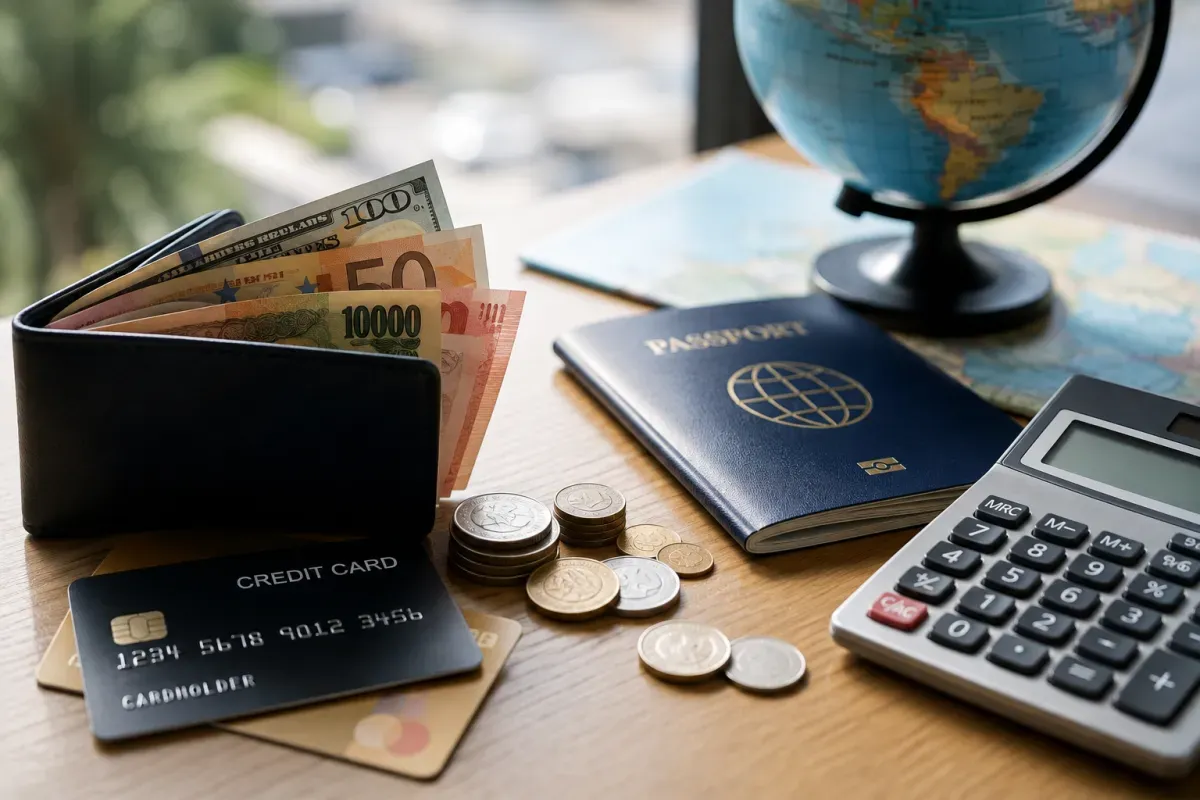
Currency & Payment
Exchange rates fluctuate daily. Check current rates locally.
Local Currency Overview
Currency type, banknotes, and coin denominations
Montenegro uses the euro (EUR, €), divided into 100 cents, even though it is not a member of the EU or the eurozone; it adopted the euro unilaterally and has no national currency of its own. This means visitors from the eurozone do not need to change money. Coins and notes are the standard euro ones.
- Currency
- Euro (EUR, €)
- Subunit
- 100 cents
- Note
- Euro used unilaterally
- Montenegro is not in the EU or eurozone but uses the euro
- It has no national currency of its own
Currency Exchange Tips
Best places and methods to exchange money
Because Montenegro uses the euro, travellers from the eurozone usually do not need to exchange money at all. If you arrive with another currency, withdrawing euros from an ATM typically gives reasonable rates, or you can use exchange offices in towns and at the airport. Compare rates and fees, as they vary between providers.
- Eurozone
- No exchange needed
- Best option
- ATM euro withdrawal
- Offices
- In towns and airport
- Compare exchange office rates and fees before changing
Credit Card Acceptance
Card brand availability and usage tips
Cards are widely accepted in cities and tourist areas along the coast, and Visa and Mastercard are the most useful networks. However, small shops, markets, taxis and businesses in rural areas often prefer or only take cash. It is wise to carry some euros in cash alongside a card so you are covered everywhere.
- Acceptance
- Good in cities/coast
- Rural/small
- Cash preferred
- Networks
- Visa/Mastercard
- Carry some cash for taxis, markets and rural areas
ATM Usage
How to withdraw cash and associated fees
ATMs are common in cities and coastal tourist areas, though fewer in remote villages, so withdraw enough before heading inland. Watch out for foreign-card fees and always decline dynamic currency conversion (DCC), choosing to be charged in euros to get the better rate. Bank-branded ATMs are usually more reliable than standalone machines.
- Availability
- Cities/coast common
- Tip
- Decline DCC, pay in EUR
- Prefer
- Bank ATMs
- Withdraw enough before travelling to remote areas
Mobile & Digital Payments
Digital payment services available locally
Contactless card payments are widely used in Montenegrin cities and tourist areas, and Apple Pay and Google Pay work at most terminals that accept contactless cards. There is no single dominant local wallet app for visitors, so simply adding your card to your phone is the easiest option. In rural areas, keep cash as a backup.
- Contactless
- Widely used
- For visitors
- Apple Pay / Google Pay
- Backup
- Cash in rural areas
- Adding your card to your phone works at most contactless terminals
Tipping Culture
Expected tipping amounts and etiquette
Tipping is customary but modest in Montenegro. In restaurants, leaving around 10% for good service is common, and rounding up the bill is normal in cafes and bars. Tips are appreciated by taxi drivers and hotel staff but are not obligatory. Cash tips are preferred, as they may not reach staff if added to a card payment.
- Restaurant
- Around 10%
- Cafes/bars
- Round up
- Best in
- Cash
- Tips are appreciated but not obligatory
Price Guide
Average costs for meals, transport, and accommodation
Montenegro is generally cheaper than Western Europe, but prices on the coast rise sharply in summer, with resorts like Budva and Kotor being the most expensive in peak season. You can save by eating at local konoba restaurants, shopping at markets, and travelling in the shoulder seasons of spring and autumn. The mountainous north is notably cheaper than the coast.
- Level
- Cheaper than Western Europe
- Costly
- Coast in summer (Budva)
- Save
- Konoba, markets, shoulder season
- The mountainous north is cheaper than the coast
Montenegro applies value-added tax (PDV/VAT) at a standard rate of 21%, with reduced rates on some goods. Non-resident visitors can reclaim VAT on eligible purchases above a minimum amount through the tax-free scheme. Ask the shop for a tax-free form when you buy, then get customs validation of the goods and form when you leave the country. Conditions and a minimum spend apply.
- VAT (PDV)
- Standard 21%
- Who
- Non-residents
- How
- Tax-free form + customs stamp
- A minimum purchase amount and other conditions apply
- Get customs validation when you leave the country