
Power & Connectivity (SIM)
Connectivity may vary by region and season.
Voltage & Plug Types
Electrical standards and outlet shapes
Mexico uses 127 V at 60 Hz, the same North American standard as the US and Canada, with plug types A and B (flat two-pin, and two-pin plus round earth). Most phone and laptop chargers are dual voltage and just need a plug adapter. Higher-wattage appliances rated only for 220 to 240 V will need a converter. Older or budget accommodation may have loose sockets, so pack a small travel adapter.
- Voltage
- 127 V, 60 Hz
- Plugs
- Type A and B
- Bring
- Plug adapter
- Same plug standard as the US and Canada
- Only 220-240 V devices need a converter
Buying a SIM Card
Where to buy, costs, and activation process
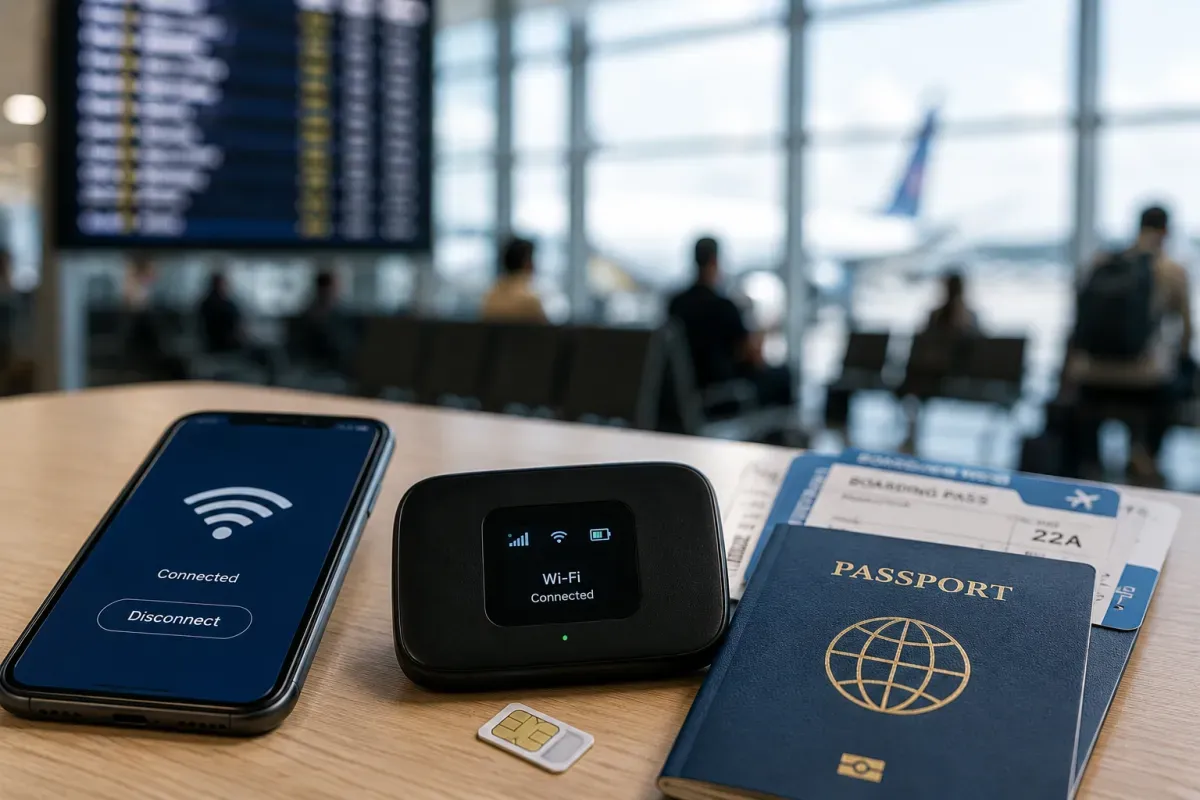
The main mobile operators are Telcel, AT&T Mexico and Movistar, with Telcel having the widest coverage, especially in rural and remote areas. Prepaid tourist SIMs are sold at airports, operator shops, convenience stores and pharmacies, usually with generous data bundles. Bring your passport to buy one, and check your phone is unlocked. Coverage is strong in cities and tourist areas but can be patchy in the mountains and countryside.
- Operators
- Telcel, AT&T
- Best coverage
- Telcel
- Bring
- Passport
- Buy prepaid SIMs at airports and shops
- Telcel has the widest rural coverage
eSIM & Mobile Wi-Fi
eSIM availability and portable Wi-Fi rental
If your phone supports eSIM, a travel eSIM is a convenient option you can buy and install before you fly, so you are online the moment you land. Many international eSIM providers cover Mexico with tourist data plans, and some use the Telcel network. Check that your device is eSIM-compatible and unlocked, compare data and validity, and keep a physical SIM option in mind for very remote areas.
- Good for
- Instant data
- Setup
- Before you fly
- Check
- eSIM support
- Install a travel eSIM before departure
- Confirm your phone supports eSIM and is unlocked
Wi-Fi Availability
Public Wi-Fi coverage and security
Free Wi-Fi is common in hotels, cafes, restaurants, malls and many airports, and speeds are usually fine for messaging, maps and browsing. Public networks can be slower and less secure, so avoid banking on open Wi-Fi and consider a VPN. In small towns and remote areas connections can be patchy, so a mobile data plan is a reliable backup. Ask staff for the network name and password rather than guessing.
- Free Wi-Fi
- Hotels, cafes
- Caution
- Public networks
- Backup
- Mobile data
- Avoid banking on open public Wi-Fi
- Mobile data is a reliable backup in remote areas
Internet Restrictions & VPN
Blocked services and VPN recommendations
Mexico has an open internet with no broad government censorship, so common apps, social media, messaging and video calls work normally. You can use services like WhatsApp, which is hugely popular locally for booking tours and contacting hosts. As anywhere, use a VPN on public Wi-Fi for privacy and avoid sharing sensitive data on open networks. There are no special app bans that affect ordinary travellers.
- Internet
- Open, no censorship
- Apps
- WhatsApp popular
- Privacy
- VPN on public Wi-Fi
- Social media and messaging work normally
- No app bans affecting ordinary travellers
Useful Local Apps
Must-have apps for transport, translation, and maps
Handy apps make travel smoother. Use Uber, DiDi or Cabify for rides, Google Maps for navigation and transit, and WhatsApp for contacting hosts, tours and businesses. A translation app helps with Spanish, and a currency converter avoids peso confusion. Food-delivery apps such as Rappi and Uber Eats work in cities. Download offline maps and your key apps before you arrive, and set your phone language to help.
- Rides
- Uber, DiDi, Cabify
- Message
- Maps
- Offline maps
- Uber, DiDi and Cabify are widely used
- Download offline maps and apps before arrival
International Calls
How to make international calls and alternatives
Mexico's country code is +52, and you dial it before the ten-digit number when calling from abroad. Locally, you generally dial all ten digits. The nationwide emergency number is 911. For calls home, apps like WhatsApp, FaceTime and other internet calling are cheapest over Wi-Fi or data. If you use a foreign SIM, check roaming rates first, as they can be high. A local or eSIM plan usually works out cheaper.
- Country code
- +52
- Emergency
- 911
- Cheapest
- App calls
- Dial +52 then the ten-digit number from abroad
- Use app calls over Wi-Fi to save money