
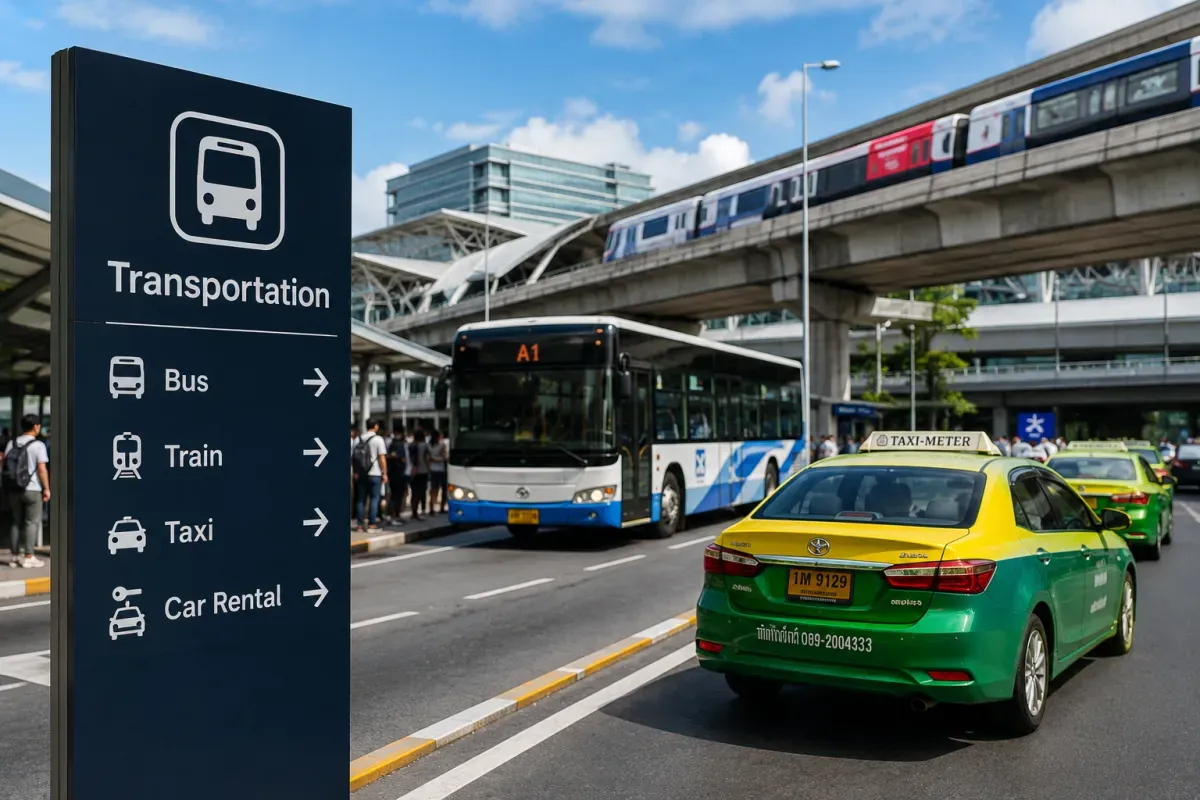
Transportation
Schedules and fares are subject to change.
Airport to City Access
Train, bus, taxi, and other options to the city center
From Mexico City airport (AICM), the safest options into the centre are authorised airport taxis with a prepaid ticket bought inside the terminal, or ride-hailing apps like Uber and DiDi from the pickup points. At beach airports such as Cancun, book a shared shuttle or private transfer in advance and ignore aggressive touts. Confirm the fare or use the app price, and keep your accommodation address handy in Spanish.
- Mexico City
- Prepaid taxi, apps
- Cancun
- Prebook transfer
- Avoid
- Airport touts
- Buy prepaid airport taxi tickets inside the terminal
- Prebook transfers at beach airports
Public Transportation
Metro, bus, tram, and how to use them
Mexico City has an extensive and very cheap network of Metro, Metrobus (bus rapid transit) and light rail, and other cities run their own metros and bus systems. It is efficient but gets extremely crowded at rush hour, when pickpocketing is a risk, so keep bags in front and phones away. Some systems have women-only cars at peak times. Buy a rechargeable card and avoid the busiest hours if you can.
- CDMX
- Metro, Metrobus
- Watch
- Rush-hour crowds
- Card
- Rechargeable
- Very cheap but crowded at rush hour
- Keep bags in front to deter pickpockets
IC Cards & Travel Passes
Discount passes and rechargeable transit cards
Transport cards are city-specific rather than nationwide. In Mexico City the integrated card (Tarjeta MI / Movilidad Integrada) works across Metro, Metrobus, light rail, trolleybus and Ecobici, and you buy and top it up at station machines. Other cities such as Guadalajara and Monterrey have their own cards. Keep some small change too, as a few local buses still take cash.
- CDMX card
- Tarjeta MI
- Covers
- Metro, Metrobus+
- Note
- City-specific
- Tarjeta MI covers most CDMX transport
- Other cities use their own cards
Car Rental & Driving
License requirements and traffic rules
Mexico drives on the right, and a car is handy for beach regions and colonial towns, though city traffic is heavy and parking tight. Take out proper insurance (Mexican liability cover is required and often needs to be bought locally), keep documents handy for checkpoints, and use toll roads (cuotas) where possible. Avoid driving at night on rural roads in some regions and check current local advice for your route.
- Drive on
- Right
- Insurance
- Required
- Roads
- Prefer toll (cuota)
- Mexican liability insurance is required
- Avoid rural night driving in some regions
Intercity Travel
Long-distance buses, trains, and ferries
Mexico has an excellent long-distance bus network that is comfortable, reliable and often the best way to travel between cities. Companies like ADO run modern coaches with assigned seats; first-class and executive services offer more legroom and toilets. Book online or at the bus station (central de autobuses / camionera), keep valuables with you, and prefer daytime routes and toll-road (cuota) services where offered.
- Buses
- ADO and more
- Class
- 1st / executive
- Book
- Online or station
- Comfortable coaches with assigned seats
- Prefer daytime routes and toll-road services
Domestic Flights
Budget airlines and booking tips
Mexico is large, so domestic flights are a useful way to cover long distances, for example between Mexico City and Cancun, Los Cabos or Oaxaca. Aeromexico is the full-service carrier, while Volaris and VivaAerobus are low-cost airlines with cheap base fares but strict, paid baggage rules. Book early for the best prices, read the baggage terms carefully, and allow time for airport security.
- Full-service
- Aeromexico
- Low-cost
- Volaris, VivaAerobus
- Tip
- Check baggage fees
- Useful for long distances across the country
- Low-cost fares have strict paid-baggage rules
Transportation Tips
Advice for safe and efficient travel
For getting around Mexico, ride-hailing apps (Uber, DiDi) are the easy default in cities, while ADO-type buses and domestic flights link the regions. Carry small cash for local buses and tips, keep valuables out of sight, and share your journey with someone. Take extra care with a phone or bags in crowds and at rush hour, avoid unnecessary night travel on rural roads, and save the emergency number 911. Mexico's international dialling code is +52.
- In cities
- Uber, DiDi
- Cash
- Small amounts
- Emergency
- 911
- Prefer ride-hailing apps and keep valuables hidden
- Avoid unnecessary rural night travel; dialling code +52