
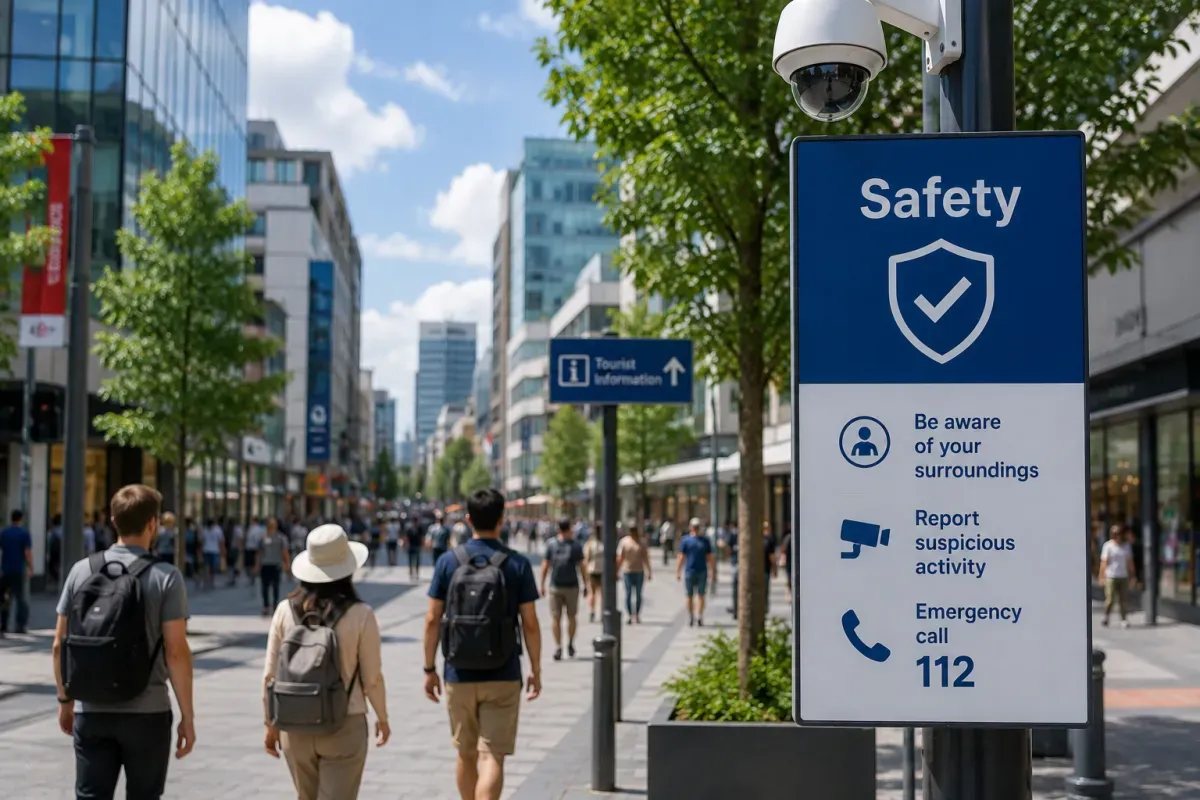
Travel Advisory
Please check your government's official travel advisory before departure. Situations can change rapidly.
Safety Level
Official risk level and travel advisories
Thailand is generally safe and welcoming for tourists. Use normal caution in nightlife areas and watch for common scams.
- Overall
- Generally safe; petty scams exist
- Nightlife
- Watch drinks and belongings
- Tourist Police
- 1155 (English-speaking, 24h)
- Emergencies: 191 police, 1669 ambulance, 199 fire
Danger Zones & Areas to Avoid
Regions with poor security or restricted access
Most areas are safe for tourists. Governments advise against travel to the far-southern provinces (Yala, Pattani, Narathiwat, parts of Songkhla) due to insurgency.
- Avoid
- Deep-south border provinces
- Tourist zones
- Bangkok, Phuket, Chiang Mai are fine
- Nightlife
- Normal caution with drinks/valuables
- Check your government travel advisory for current areas
Natural Disaster Risks
Earthquakes, typhoons, floods, and other hazards
The rainy/monsoon season runs roughly May–October with flooding risk. The south has occasional storms; heed local weather and beach flags.
- Monsoon
- Roughly May–October; flooding possible
- Beaches
- Strong currents; obey warning flags
- Air quality
- Northern haze/burning season around Feb–Apr
- Check forecasts (TMD) before island/beach trips
Health & Disease Risks
Endemic diseases and hygiene concerns
Do not drink tap water; use bottled. Mosquito-borne dengue occurs year-round; use repellent. Private hospitals in cities are excellent.
- Water
- Tap water not potable; drink bottled
- Dengue
- Use repellent, cover up at dusk
- Healthcare
- Good private hospitals in cities
- Consider hepatitis A/typhoid; keep routine vaccines up to date
Crime & Scam Trends
Common crimes and scams targeting tourists
Watch for common tourist scams: gem shops, overpriced tuk-tuks, jet-ski damage claims and rigged taxi meters. Violent crime against tourists is uncommon.
- Scams
- Gems, tuk-tuk detours, jet-ski deposits
- Taxis
- Insist on the meter or use Grab
- Drinks
- Never leave drinks unattended
- Photograph rented scooters/jet-skis before use
Political Situation & Protests
Political instability and potential demonstrations
Thailand is generally stable for tourists. Political demonstrations occur occasionally in Bangkok; avoid protests and monitor local news.
- Stability
- Generally stable for travel
- Protests
- Possible in Bangkok; avoid them
- Advice
- Follow local media and your embassy
- Demonstrations can cause road/transport disruption
Local Laws & Prohibitions
Important local laws and penalties for travelers
Insulting the monarchy (lèse-majesté) is a serious crime. E-cigarettes/vapes are illegal to bring in or use. Drug offences carry severe penalties.
- Monarchy
- Never insult the King/royal family (strict law)
- Vapes
- E-cigarettes banned; do not bring them
- Drugs
- Severe penalties, including long prison
- Dress respectfully at temples; remove shoes where required
Emergency Contacts
Police, ambulance, and fire department numbers
Call the Tourist Police on 1155 for English-speaking help. For emergencies: 191 police, 1669 ambulance, 199 fire.
- Tourist Police
- 1155 (24h, English)
- Police
- 191
- Ambulance/Fire
- 1669 ambulance / 199 fire
- From abroad dial +66 and drop the leading 0
Embassy & Consulate Info
Location and contact details of your embassy
No embassy or consulate information is available for your selected nationality in this country.
Travel Insurance
Recommended coverage and tips for choosing a policy
Travel insurance is strongly recommended. Private hospital bills can be high; make sure your policy covers scooters/adventure activities if planned.
- Coverage
- Medical treatment and evacuation
- Scooters
- Check cover; many policies exclude riding without a licence
- Keep
- Policy number and 24h assistance line
- Private hospitals may require a deposit or proof of insurance