
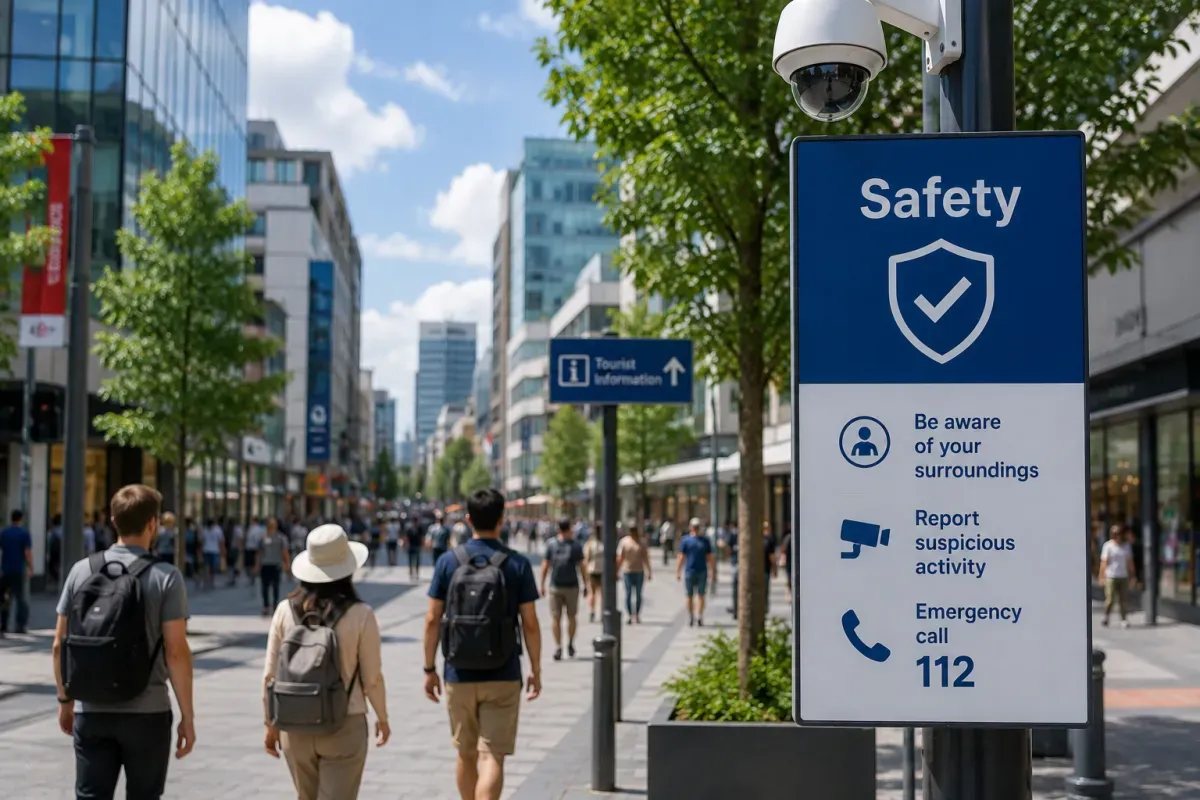
Travel Advisory
Please check your government's official travel advisory before departure. Situations can change rapidly.
Safety Level
Official risk level and travel advisories
Uzbekistan, a Central Asian Silk Road country, is relatively safe and friendly to travellers. Use normal caution in cities and watch for petty theft.
- Overall risk
- Low to moderate; generally safe with normal precautions
- Main concern
- Pickpocketing, overcharging and unofficial taxis in cities
- Emergency number
- 112 (unified; also 102 police, 103 ambulance, 101 fire)
- Uzbekistan is a Silk Road nation whose highlights are Samarkand, Bukhara and Khiva. The capital Tashkent and the historic tourist cities are generally safe. Stay alert in crowded areas and use registered transport.
Danger Zones & Areas to Avoid
Regions with poor security or restricted access
There are no no-go areas for typical tourists. Take extra care near remote border zones and in isolated desert areas of the Kyzylkum.
- No-go areas
- None for typical travellers in cities
- Border zones
- Remote borders may need permits or detours
- At night
- Use normal caution in quiet urban districts
- Uzbekistan is doubly landlocked with long borders and vast deserts. Carry documents near border areas, and plan carefully before travelling into isolated desert regions.
Natural Disaster Risks
Earthquakes, typhoons, floods, and other hazards
Uzbekistan sits in a seismic zone; earthquakes are a real risk (Tashkent was largely rebuilt after the 1966 quake). Expect a dry continental climate with harsh summer heat and cold winters.
- Seismic risk
- Active earthquake zone; Tashkent suffered a major quake in 1966
- Summer
- Extreme heat, especially in Samarkand and desert areas
- Winter
- Cold, dry continental winters
- Know earthquake safety procedures, especially in Tashkent. Prepare for a dry continental climate with very hot summers and cold winters, and carry water in desert regions.
Health & Disease Risks
Endemic diseases and hygiene concerns
Avoid tap water and drink bottled water. Medical facilities are basic outside Tashkent; comprehensive travel insurance is recommended.
- Tap water
- Not safe to drink; use bottled or boiled water
- Healthcare
- Limited outside Tashkent; private clinics in the capital
- Emergency
- 103 for ambulance (or unified 112)
- Stick to bottled or boiled water and be cautious with street food. Bring personal medication with a prescription, and consider vaccinations advised for the region before travelling.
Crime & Scam Trends
Common crimes and scams targeting tourists
Pickpocketing, overcharging and unofficial taxis are the main concerns in cities. Violent crime against tourists is rare and locals are generally welcoming.
- Main risk
- Pickpocketing, overcharging and unofficial taxis
- Hotspots
- Bazaars, transport hubs and busy tourist sites
- Advice
- Agree fares in advance and keep valuables secure
- Use registered taxis or ride apps and agree the fare before setting off. Keep valuables out of sight in crowded bazaars and stations, and be wary of overcharging aimed at tourists.
Political Situation & Protests
Political instability and potential demonstrations
Uzbekistan has grown more stable and open in recent years, with reforms encouraging tourism. Political disruption for visitors is uncommon.
- Situation
- Increasingly stable and open, with tourism-friendly reforms
- Demonstrations
- Rare; avoid any large gatherings as a precaution
- Recent years have seen liberalising reforms and a push to develop tourism. Politics rarely affects visitors; as a routine precaution, avoid protests and follow local guidance.
Local Laws & Prohibitions
Important local laws and penalties for travelers
Uzbekistan is a mainly Muslim but secular country. Drive on the right, carry ID, and dress modestly at mosques and mausoleums.
- Driving
- Drive on the right; carry your documents
- Currency
- Uzbekistani som (UZS); keep receipts for exchange
- Religious sites
- Dress modestly and remove shoes where asked
- Society is largely secular but respectful dress is expected at religious sites such as mosques and mausoleums. Carry identification, follow photography restrictions near official buildings, and use official channels to exchange money.
Emergency Contacts
Police, ambulance, and fire department numbers
Dial 112 for the unified emergency service. Individual lines also work: 102 police, 103 ambulance, 101 fire.
- All emergencies
- 112 (unified)
- Police
- 102
- Ambulance / Fire
- 103 ambulance, 101 fire
- 112 connects to a unified emergency service. You can also reach the police on 102, an ambulance on 103 and the fire service on 101.
Embassy & Consulate Info
Location and contact details of your embassy
No embassy or consulate information is available for your selected nationality in this country.
Travel Insurance
Recommended coverage and tips for choosing a policy
Comprehensive travel insurance is strongly recommended, as medical facilities are limited outside Tashkent and serious cases may need evacuation.
- Cover
- Medical treatment and repatriation
- Why
- Limited healthcare outside Tashkent
- Include
- Emergency evacuation and adventure activities if relevant
- Take out comprehensive travel insurance covering medical treatment and repatriation. Ensure it includes emergency evacuation, which may be needed for serious cases treated abroad.