
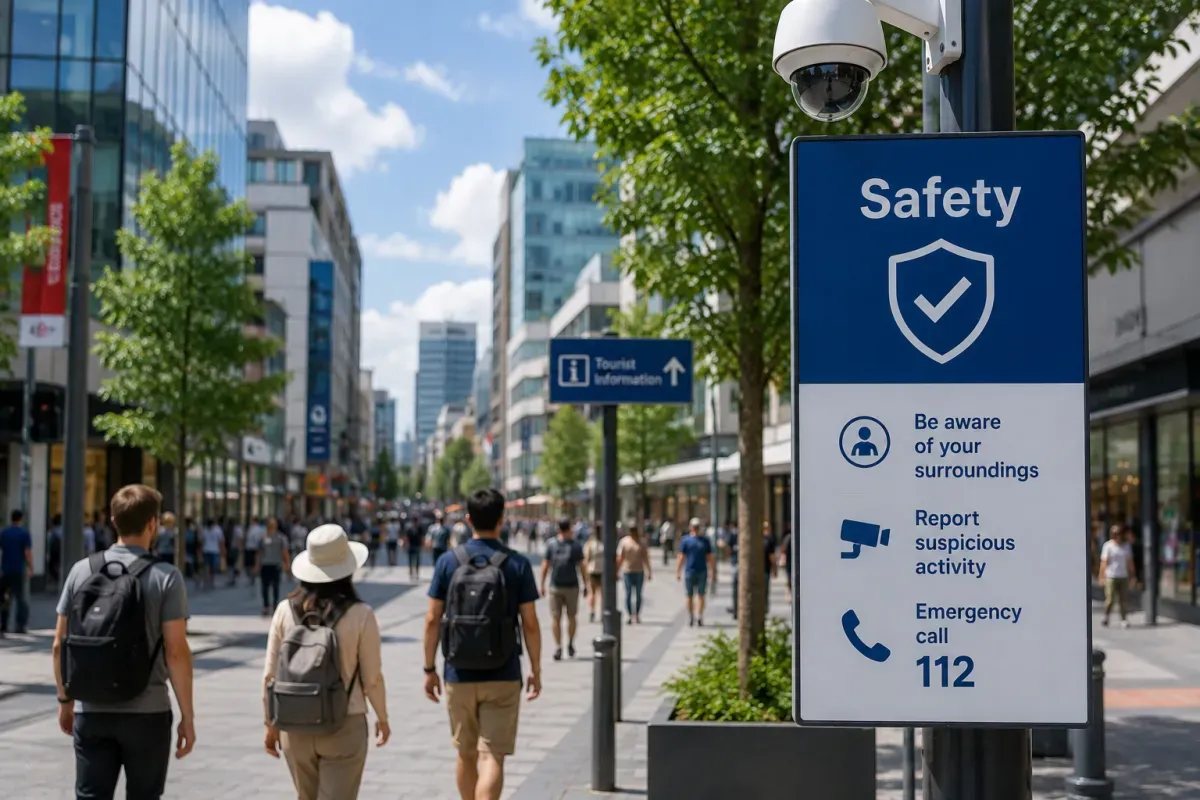
Travel Advisory
Please check your government's official travel advisory before departure. Situations can change rapidly.
Safety Level
Official risk level and travel advisories
Austria is one of Europe's safest countries, with low crime and a calm, orderly feel in cities like Vienna, Salzburg and Innsbruck. Most visits are trouble-free, and the main everyday risks are petty theft in tourist crowds and outdoor hazards in the Alps. Stay aware in busy stations and follow mountain safety advice, and your trip should be smooth.
- Overall
- Very safe
- Main risks
- Pickpockets, Alps
- Emergency
- 112
- Violent crime against visitors is rare
- Follow mountain safety advice in the Alps
Danger Zones & Areas to Avoid
Regions with poor security or restricted access
There are no no-go areas for tourists in Austria. Busy spots like Vienna's main stations, the Prater and popular Salzburg sights just call for normal awareness of pickpockets. The bigger hazards are in the mountains: marked ski runs, trails and cable cars are safe when you follow the rules, but off-piste terrain and sudden weather demand experience and caution.
- Cities
- Generally safe
- Stations
- Watch belongings
- Mountains
- Follow the rules
- No off-limits areas for visitors
- Off-piste terrain needs experience
Natural Disaster Risks
Earthquakes, typhoons, floods, and other hazards
The main natural hazards are Alpine: avalanches in winter, plus rockfall, landslides and flash floods after heavy rain or thaw. Sudden weather changes can catch hikers and skiers off guard. Check avalanche bulletins and mountain forecasts, stick to marked routes, and heed local warnings. In the cities the risks are minor, but summer storms and river flooding can occasionally disrupt travel.
- Winter
- Avalanches
- Rain
- Rockfall, floods
- Check
- Avalanche bulletins
- Check avalanche and mountain forecasts
- Summer storms can cause river flooding
Health & Disease Risks
Endemic diseases and hygiene concerns
Austria has excellent healthcare and high hygiene standards, and tap water, including Vienna's famous mountain-fed supply, is very safe to drink. Health risks for visitors are low. The main advice is to carry good travel insurance covering medical care and, importantly, mountain rescue, which can be costly. In forested areas in warm months, tick-borne encephalitis is worth considering.
- Care
- Excellent
- Water
- Very safe
- Insurance
- Cover rescue
- Get insurance that covers mountain rescue
- Consider TBE for forest areas in summer
Crime & Scam Trends
Common crimes and scams targeting tourists
Violent crime is rare, but pickpocketing and bag theft happen in crowded tourist areas, on public transport and at busy stations, especially in Vienna. Keep valuables secure and be alert on packed trams and around major sights. Watch for common tricks like distraction and fake petitions. Use licensed taxis or apps, and be cautious with strangers who seem overly friendly at stations.
- Main risk
- Pickpocketing
- Where
- Transport, stations
- Watch
- Distraction tricks
- Keep valuables secure on crowded transport
- Beware distraction and fake petition scams
Political Situation & Protests
Political instability and potential demonstrations
Austria is a stable, prosperous democracy with no meaningful political risk for tourists. Occasional demonstrations happen in Vienna and other cities, and while these are usually peaceful, it is sensible to avoid large crowds and follow police instructions. Everyday life is calm and well organised. There is nothing about the political climate that should affect a normal holiday.
- Stability
- High
- Protests
- Usually peaceful
- Advice
- Avoid crowds
- Occasional peaceful demonstrations in cities
- No political risk for a normal holiday
Local Laws & Prohibitions
Important local laws and penalties for travelers
Carry ID, as police can ask to see it. Austria enforces symbols laws strictly, so displaying Nazi symbols or gestures is a serious offence. Drug laws are strict. Some regions ban full-face veils in public. On the roads, alcohol limits are lower than in many countries and winter tyres are required in wintry conditions. Respect quiet hours in residential areas, especially on Sundays.
- ID
- Carry it
- Strict
- Nazi symbols, drugs
- Driving
- Low alcohol limit
- Displaying Nazi symbols is a serious crime
- Winter tyres required in wintry conditions
Emergency Contacts
Police, ambulance, and fire department numbers
The Europe-wide emergency number 112 works throughout Austria and connects to all services. You can also dial the police directly on 133, the fire brigade on 122 and an ambulance on 144. For mountain distress, the Alpine emergency number is 140. Operators often speak English. Save these numbers offline and note your embassy details before you travel.
- General
- 112
- Police/Fire
- 133 / 122
- Ambulance
- 144
- Alpine mountain emergency is 140
- Operators often speak English
Embassy & Consulate Info
Location and contact details of your embassy
No embassy or consulate information is available for your selected nationality in this country.
Travel Insurance
Recommended coverage and tips for choosing a policy
Travel insurance is strongly recommended for Austria. Choose a policy that covers medical treatment, hospital stays and, crucially, mountain rescue and helicopter evacuation, which are expensive in the Alps. If you plan skiing or off-piste activities, make sure winter sports are included. EU visitors should carry a valid EHIC or GHIC, but this does not replace full travel insurance. Keep policy details handy.
- Advised
- Strongly
- Cover
- Mountain rescue
- Skiing
- Add winter sports
- Ensure winter sports cover if skiing
- EHIC/GHIC does not replace travel insurance