
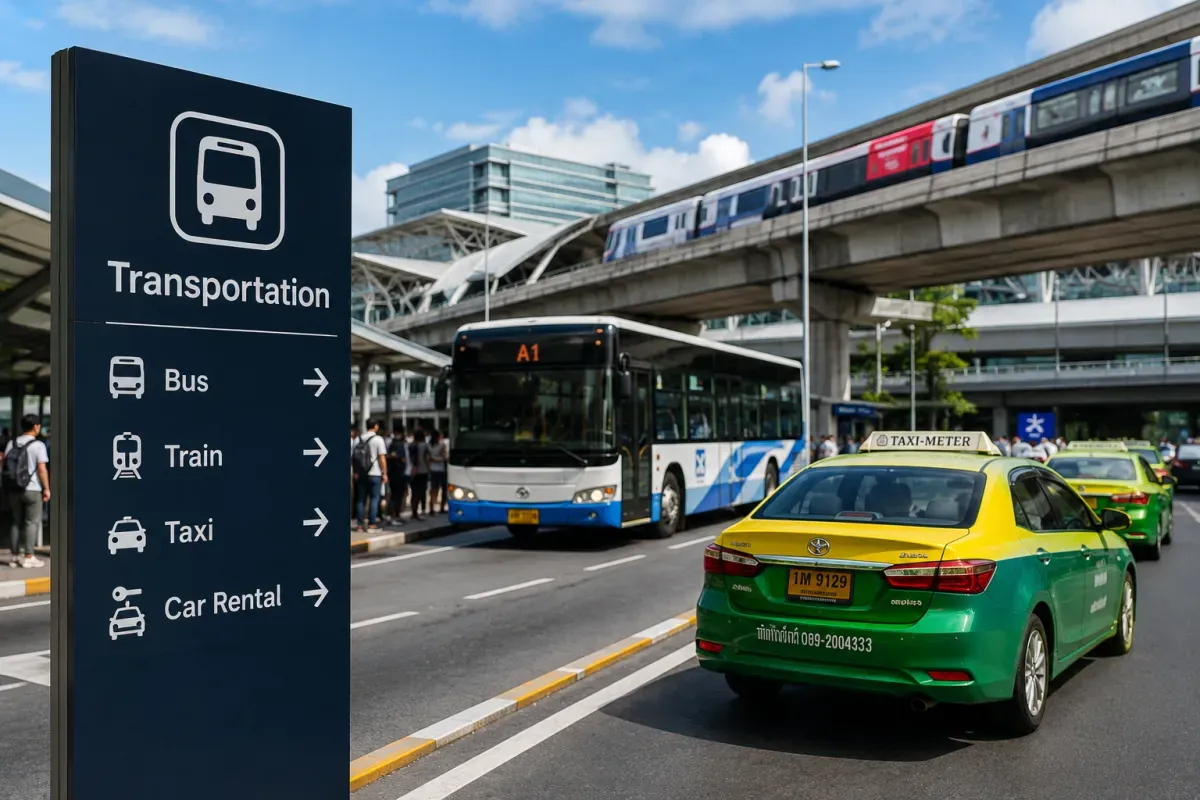
Transportation
Schedules and fares are subject to change.
Airport to City Access
Train, bus, taxi, and other options to the city center
Options vary by city: Sydney has the Airport Link train to the centre, Melbourne uses the SkyBus (with a train link also available), and Brisbane has the Airtrain. Taxis and Uber are available at all major airports. Compare the train/bus fare with a rideshare, especially for groups with luggage.
- Sydney
- Airport Link train
- Melbourne
- SkyBus / train
- Everywhere
- Taxi and Uber
- Compare train/bus fares with rideshare for groups
Public Transportation
Metro, bus, tram, and how to use them
Big cities have good public transport: Sydney has trains, metro, buses, light rail and ferries; Melbourne has iconic trams, trains and buses; other capitals have their own networks. Systems are clean and tourist-friendly. Outside cities, public transport thins out, so plan ahead or drive.
- Sydney
- Trains, buses, ferries
- Melbourne
- Trams, trains, buses
- Rural
- Limited — plan ahead
- Ferries are a scenic way to travel in Sydney
IC Cards & Travel Passes
Discount passes and rechargeable transit cards
Each state has its own smartcard: Opal in Sydney, Myki in Melbourne, Go card in Brisbane, and others. In many cities you can now just tap a contactless bank card or phone for the same fares, without buying a local card. Check the city's transport site for how tap-on/tap-off works.
- Cards
- Opal, Myki, Go card
- Contactless
- Bank card often works
- Rule
- Tap on and tap off
- Contactless bank cards work on many networks now
Car Rental & Driving
License requirements and traffic rules
Renting a car is great for coastal drives and exploring beyond the cities. Australia drives on the left, and you usually need a valid licence (with an official English translation or International Driving Permit if not in English). Distances are huge, so plan fuel and rest stops, and watch for wildlife at dawn and dusk.
- Side
- Drives on the left
- Licence
- Valid licence / IDP
- Watch for
- Wildlife at dawn/dusk
- Distances are vast — plan fuel and rest stops
Intercity Travel
Long-distance buses, trains, and ferries
Australia is vast, so flying is usually the fastest way between cities. Long-distance trains (like the Indian Pacific or the XPT) and coaches (Greyhound and others) exist and can be scenic, but are slow over big distances. For most itineraries, book domestic flights for the long legs.
- Fastest
- Domestic flights
- Scenic rail
- Indian Pacific, etc.
- Coaches
- Greyhound and others
- Long-distance rail is scenic but slow across the country
Domestic Flights
Budget airlines and booking tips
Australia has a strong domestic network with Qantas, Virgin Australia and low-cost Jetstar connecting all major cities and many regional towns. Booking ahead gets better fares. Flying saves days compared with driving across the country, which is essential for long east–west or coast-to-outback trips.
- Airlines
- Qantas, Virgin, Jetstar
- Benefit
- Saves days vs. driving
- Fares
- Book ahead to save
- Essential for long east–west journeys
Transportation Tips
Advice for safe and efficient travel
In cities, tap a contactless card on public transport and use rideshare or taxis for door-to-door trips. Book domestic flights early for the long legs. If driving, remember Australia drives on the left, distances are huge, and wildlife is a hazard at dawn and dusk. Always carry water on outback drives.
- City
- Tap card / rideshare
- Long legs
- Book flights early
- Driving
- Left side, watch wildlife
- Carry water and plan fuel stops on outback drives