
Entry Procedures
Visa and entry requirements depend on the country that issued your passport. The information here is general guidance. Always confirm the requirements for your own nationality with the official source.
This information is for general guidance only. Please verify with the embassy or official government sources before traveling.
Visa Requirements
Types of visas required and their conditions
Bolivia allows many nationalities to enter visa-free for short tourist stays, commonly up to 90 days per year, though for some the free stay is granted in shorter increments. Some nationalities need a visa in advance or a visa on arrival, and certain countries (including US citizens) require a visa obtained beforehand. Rules depend on your nationality and can change, so confirm the latest requirements with an official Bolivian source or embassy before you travel.
- Region
- South America
- Short stay
- Often up to 90 days/year
- Check
- Official sources
- Visa-free entry depends on your nationality
- Some nationalities need a visa in advance or on arrival; confirm before travel
Passport Conditions
Required validity period and blank pages
A common guideline is that your passport should be valid for at least 6 months from your date of entry into Bolivia, and it should have blank pages for stamps. Some travellers are also asked for onward or return travel. Requirements can vary by nationality, so check your specific case before you travel.
- Validity
- 6 months recommended
- Pages
- Blank pages for stamps
- Check
- By nationality
- Keep the passport in good condition; damaged passports may be refused
- Onward or return travel may be requested at the border
Required Documents & Pre-registration
Arrival cards, health declarations, and other preparations
Besides your passport, you may be asked at the border for supporting documents. These can include a return or onward ticket, proof of accommodation, evidence of sufficient funds for your stay, and, for some regions such as the Amazon lowlands, a yellow fever vaccination certificate. Having these ready helps entry go smoothly.
- Ticket
- Return/onward
- Stay
- Accommodation proof
- Funds
- Sufficient means
- A yellow fever certificate may be requested for certain regions
- Carry proof of funds and onward travel where relevant
Cash Import Limits
Declaration-free limits and procedures for excess amounts
Bolivia requires travellers to declare cash and equivalent instruments above a set threshold when entering or leaving the country. The amount is defined by customs and may change, so check the current limit with Bolivian customs before you travel. Declaring correctly avoids fines and delays.
- Rule
- Declare cash above threshold
- Applies
- Entry and exit
- Check
- Bolivian customs
- Thresholds can change; confirm the current figure before travel
- Keep the declaration receipt during your trip
Duty-Free Allowances & Restricted Items
Limits on tobacco, alcohol, food, and other goods
Travellers may bring personal effects and a limited quantity of goods for personal use duty-free, with allowances for items such as tobacco and alcohol for adults. Goods beyond the allowance or intended for sale must be declared and may be taxed. Allowances can change, so verify the current limits with Bolivian customs.
- Personal use
- Duty-free within limits
- Over limit
- Declare / may be taxed
- Check
- Bolivian customs
- Tobacco and alcohol allowances apply to adults only
- Commercial quantities must be declared
Prohibited Items
Items that are strictly forbidden from import
Prohibited and restricted items include illegal drugs, weapons and ammunition without permits, and protected wildlife or plant products. Cultural artefacts and antiquities are restricted from export. Note that while coca leaf and coca tea are legal within Bolivia, taking them across borders may be illegal in other countries, so avoid carrying them out.
- Banned
- Drugs, undeclared weapons
- Restricted
- Wildlife, antiquities
- Note
- Coca products: legal in BO, not abroad
- Export of cultural artefacts and antiquities is restricted
- Coca leaf/tea is legal in Bolivia but may be illegal to import elsewhere
Medication Import Rules
Rules for bringing prescription and over-the-counter drugs
You may bring prescription medication for personal use, ideally in its original packaging and in quantities that match your trip. Carry a copy of the prescription or a doctor’s letter, especially for controlled substances or injectables. If you are unsure whether a medicine is restricted, check with a Bolivian embassy before travelling.
- Amount
- Personal-use quantity
- Packaging
- Original + prescription
- Controlled
- Carry doctor’s letter
- Keep medicines in original labelled packaging
- A prescription or doctor’s note helps at customs
Vaccinations & Health Requirements
Required and recommended vaccines for entry
A yellow fever vaccination certificate may be required or recommended when visiting some regions, such as the Amazon lowlands, and may be requested at the border in certain cases. Parts of Bolivia sit at high altitude, so plan for acclimatisation. Check current health advice and required or recommended vaccinations with an official travel-health source before you go.
- Yellow fever
- For some regions
- Altitude
- Plan acclimatisation
- Check
- Travel-health source
- Yellow fever proof may be requested for lowland/Amazon areas
- High-altitude cities require gradual acclimatisation
Immigration Process
Step-by-step guide from arrival to clearing immigration
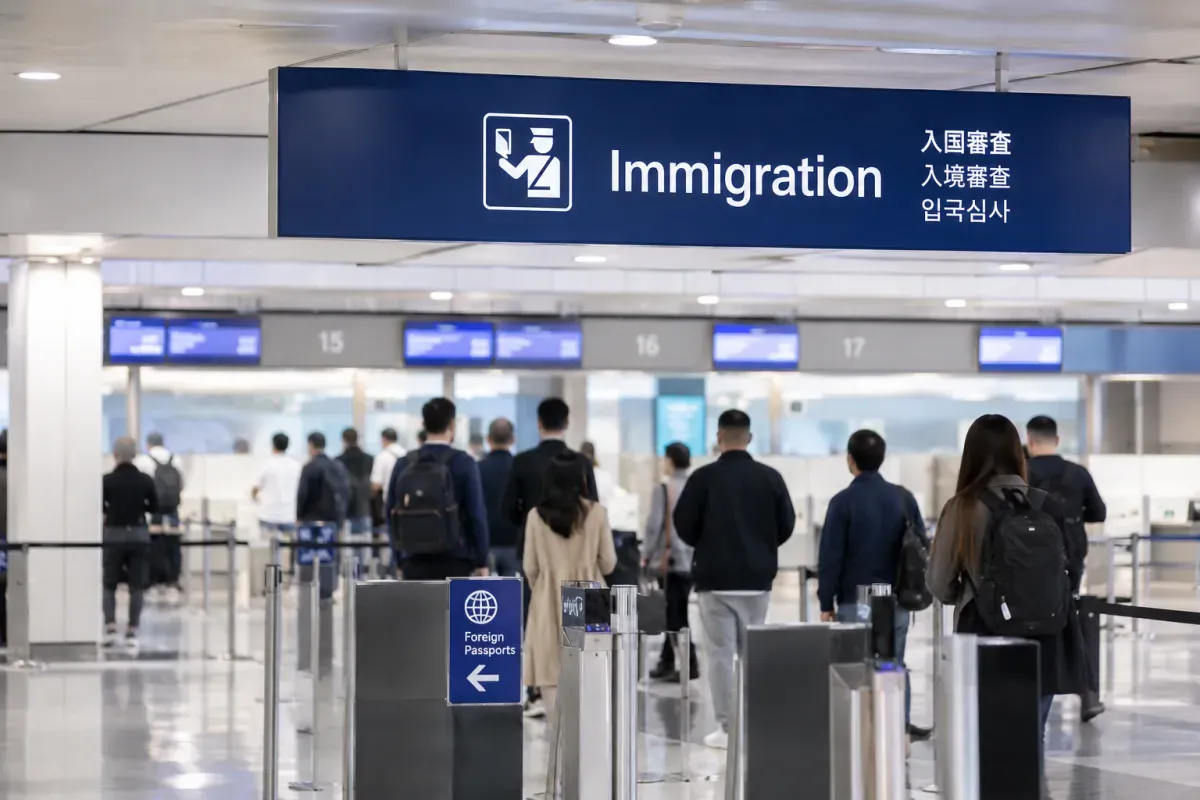
On arrival, immigration officers check your passport and may ask about the purpose and length of your stay. Main international gateways include El Alto (LPB) serving La Paz and Viru Viru (VVI) serving Santa Cruz. You may receive an entry stamp showing your permitted stay, so check it and keep it until you leave.
- Airports
- LPB (La Paz), VVI (Santa Cruz)
- Check
- Purpose & length of stay
- Stamp
- Note permitted days
- Verify the entry stamp and the number of days granted
- Overstaying can lead to fines on departure
Tips for Smooth Entry
Practical advice for a hassle-free arrival
Bolivia drives on the right, and mains power is around 230V (220V in some areas) with plug types A and C. The country calling code is +591. Sucre is the constitutional capital while La Paz is the seat of government. Because many places sit at high altitude, take your first days slowly to help acclimatise.
- Driving
- Right-hand side
- Power
- 230V (220V areas), Type A/C
- Dial code
- +591
- Sucre is constitutional capital; La Paz is the seat of government
- Rest on arrival to help with high-altitude acclimatisation