
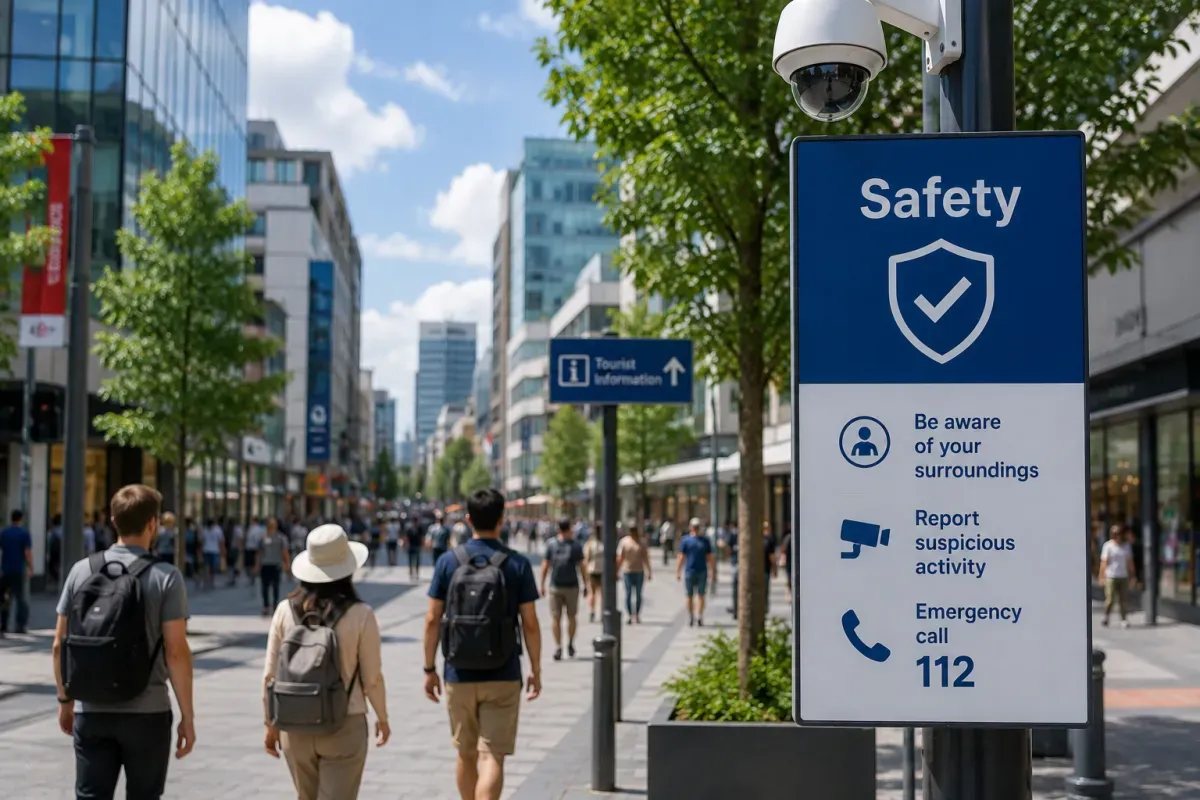
Travel Advisory
Please check your government's official travel advisory before departure. Situations can change rapidly.
Safety Level
Official risk level and travel advisories
Bolivia is a high-altitude Andean country. Take normal precautions, prepare for altitude in La Paz and Uyuni, and stay updated on protests and road blockades.
- Overall risk
- Moderate; petty crime and altitude are the main concerns
- Main concern
- Pickpocketing, taxi scams and altitude sickness (soroche)
- Emergency number
- Police 110, medical 118
- Sucre is the constitutional capital and La Paz is the seat of government. Cities like La Paz and Santa Cruz warrant normal urban caution; watch for petty theft and fake taxis, and check for road blockades (bloqueos) before travelling.
Danger Zones & Areas to Avoid
Regions with poor security or restricted access
Use extra caution in some city districts at night and on the Yungas Road (Death Road). Protests and blockades can disrupt certain routes.
- At night
- Some districts of La Paz, El Alto and Santa Cruz warrant care
- Yungas Road
- The old road (Death Road) is narrow and steep
- Blockades
- Road blockades (bloqueos) can affect travel
- Most tourist areas are visited without incident. Avoid isolated areas after dark, use only officially arranged tours on the Yungas Road, and check road conditions as blockades can appear with little notice.
Natural Disaster Risks
Earthquakes, typhoons, floods, and other hazards
Altitude sickness is the main concern in the Andean highlands. Expect a tropical wet season in the lowlands and seasonal rains that affect roads.
- Altitude
- La Paz (~3,600m) and Uyuni pose altitude-sickness risk (soroche)
- Wet season
- November to March; heavy rain can flood roads
- Seismic risk
- Earthquakes are possible
- Acclimatise gradually to altitude and rest on arrival in La Paz or Uyuni. During the wet season (Nov-Mar) the Salar de Uyuni forms its mirror effect but roads in the lowlands and highlands may flood; check conditions and allow extra travel time.
Health & Disease Risks
Endemic diseases and hygiene concerns
Altitude affects visitors in the highlands. Do not drink tap water; the Amazon lowlands carry tropical disease risk such as yellow fever.
- Altitude
- Acclimatise slowly; soroche is common in La Paz and Uyuni
- Tap water
- Not safe to drink; use bottled or treated water
- Lowlands
- Yellow fever, dengue and other tropical risks
- Consult a travel clinic about vaccinations, including yellow fever for Amazon regions, and antimalarial advice where relevant. Facilities are better in major cities; carry personal medication and comprehensive insurance.
Crime & Scam Trends
Common crimes and scams targeting tourists
Pickpocketing occurs in busy urban areas. Be alert to fake-police and fake-taxi scams, and use only reputable, pre-booked transport.
- Main risk
- Pickpocketing and bag snatching in crowds
- Common scams
- Fake police asking for documents; unlicensed taxis
- Advice
- Use radio taxis or app-based rides; keep valuables out of sight
- Thieves target distracted travellers in markets, stations and on public transport. Fake officials may ask to inspect documents or bags; genuine police do not require you to hand over valuables. Use only pre-arranged or reputable taxis.
Political Situation & Protests
Political instability and potential demonstrations
Demonstrations and road blockades (bloqueos) occur periodically and can disrupt transport. Monitor local news and avoid protest gatherings.
- Demonstrations
- Can be sudden and affect roads and airports
- Blockades
- Bloqueos may close key routes for days
- Protests, strikes and blockades can arise at short notice, particularly in La Paz, El Alto and along major highways. Avoid gatherings, keep your itinerary flexible and check current advisories before travelling.
Local Laws & Prohibitions
Important local laws and penalties for travelers
Carry photo ID and respect local customs. Drug offences carry severe penalties, and buying or selling coca products has legal limits.
- ID
- Carry a passport copy; police may ask for identification
- Drugs
- Severe penalties for drug offences
- Customs
- Respect indigenous Quechua and Aymara traditions at sites and festivals
- Spanish is official alongside Quechua, Aymara and other indigenous languages. Bolivia has a rich multi-ethnic culture; dress and behave respectfully at religious and cultural sites and events such as the Oruro Carnival. Photography of officials or sensitive sites may be restricted.
Emergency Contacts
Police, ambulance, and fire department numbers
Dial 110 for police and 118 for medical emergencies. A tourist police unit operates in main tourist areas.
- Police
- 110
- Medical emergency
- 118
- Tourist police
- Available in major cities
- Call 110 for police and 118 for an ambulance. Operators mainly speak Spanish, so a few key phrases or a translation app help. The tourist police can assist with reports in main tourist areas.
Embassy & Consulate Info
Location and contact details of your embassy
No embassy or consulate information is available for your selected nationality in this country.
Travel Insurance
Recommended coverage and tips for choosing a policy
Carry comprehensive travel insurance with medical cover. Include high-altitude activities and emergency repatriation.
- Cover
- Medical treatment and emergency evacuation
- Altitude
- Confirm high-altitude activities are covered
- Include
- Repatriation and adventure activities if relevant
- Private clinics in major cities may require upfront payment. Ensure your policy covers treatment at altitude, emergency evacuation from remote areas, and any adventure activities such as trekking or mountain biking.