
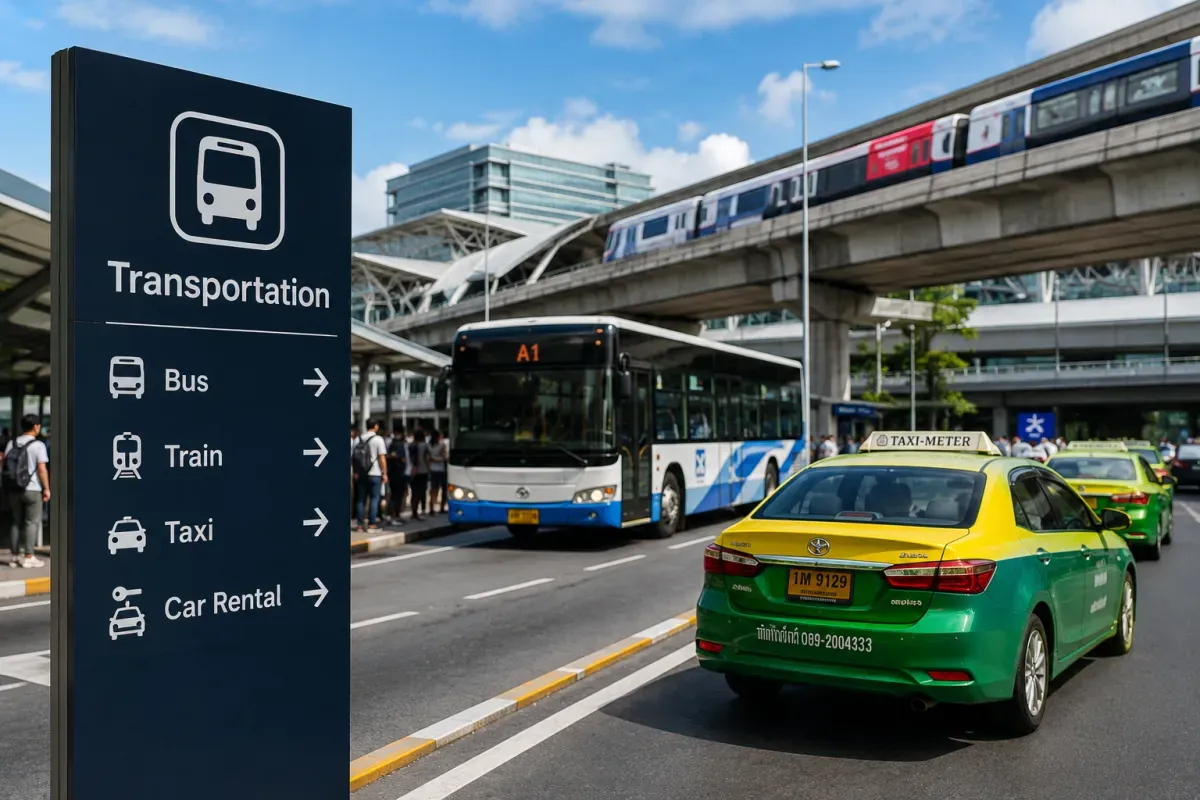
Transportation
Schedules and fares are subject to change.
Airport to City Access
Train, bus, taxi, and other options to the city center
São Paulo's main airport is Guarulhos (GRU) and Rio's is Galeão (GIG); both have official taxis, ride-hailing pickup points and airport bus services into the city. Use licensed taxis or a ride-hailing app rather than unofficial offers, agree on the method before you get in, and allow extra time for traffic in both cities.
- São Paulo
- GRU
- Rio
- GIG
- Use
- Licensed taxi/app
- Official taxis, apps and airport buses available
- Avoid unofficial transport offers
Public Transportation
Metro, bus, tram, and how to use them
São Paulo and Rio de Janeiro have metro systems plus extensive bus networks; the metro is usually the fastest and most convenient way around central areas. Trains get very crowded at peak times. Keep belongings secure, be extra alert late at night, and consider ride-hailing after dark or for areas not well served by the metro.
- Metro
- SP & Rio
- Buses
- Extensive
- Peak
- Very crowded
- Metro is fastest in central areas
- Stay alert and secure belongings
IC Cards & Travel Passes
Discount passes and rechargeable transit cards
São Paulo uses the Bilhete Único card for metro, trains and buses; Rio has its own rechargeable cards for public transport. Buy and top up at stations, and many systems increasingly accept contactless bank cards or phone payments at the gate. A rechargeable card saves time versus buying single tickets each trip.
- São Paulo
- Bilhete Único
- Rio
- Own card
- Also
- Contactless
- Buy and top up cards at stations
- Contactless increasingly accepted
Car Rental & Driving
License requirements and traffic rules
Brazil drives on the right. Renting a car suits road trips and coastal or countryside routes, but city traffic is heavy and parking can be tricky. Carry your licence and, where required, an International Driving Permit; check the rental's insurance. Avoid leaving valuables in the car, and take care on unfamiliar roads at night.
- Drive on
- Right
- Permit
- IDP may help
- Cities
- Heavy traffic
- Good for coast and countryside trips
- Do not leave valuables in the car
Intercity Travel
Long-distance buses, trains, and ferries
Long-distance buses are the backbone of intercity travel in Brazil, departing from bus stations (rodoviária) and ranging from standard to comfortable overnight coaches (leito). Book ahead in busy seasons. Given the country's size, buses suit shorter regional hops while flights make sense for long distances between regions.
- Buses
- From rodoviária
- Comfort
- Leito overnight
- Long trips
- Consider flights
- Book ahead in busy seasons
- Buses best for shorter regional routes
Domestic Flights
Budget airlines and booking tips
Because Brazil is so large, domestic flights are important for covering long distances between regions, such as Rio or São Paulo to the Amazon or the Northeast. Main carriers include LATAM, GOL and Azul, with a wide network of airports. Book early for better fares, and allow time for security and possible connections at big hubs.
- Carriers
- LATAM/GOL/Azul
- Why
- Long distances
- Fares
- Book early
- Flights link far-apart regions
- Allow time for connections at hubs
Transportation Tips
Advice for safe and efficient travel
Do not enter favelas (informal communities) on your own; some tourist areas border them, so follow local advice on which streets and routes to avoid, especially after dark. Keep car doors locked and valuables out of sight in traffic. Use ride-hailing or licensed taxis at night, keep the emergency numbers handy (police 190), and stay alert around busy transport hubs.
- Favelas
- Avoid alone
- At night
- Use apps/taxi
- Police
- 190
- Do not enter favelas independently
- Keep car doors locked in traffic