
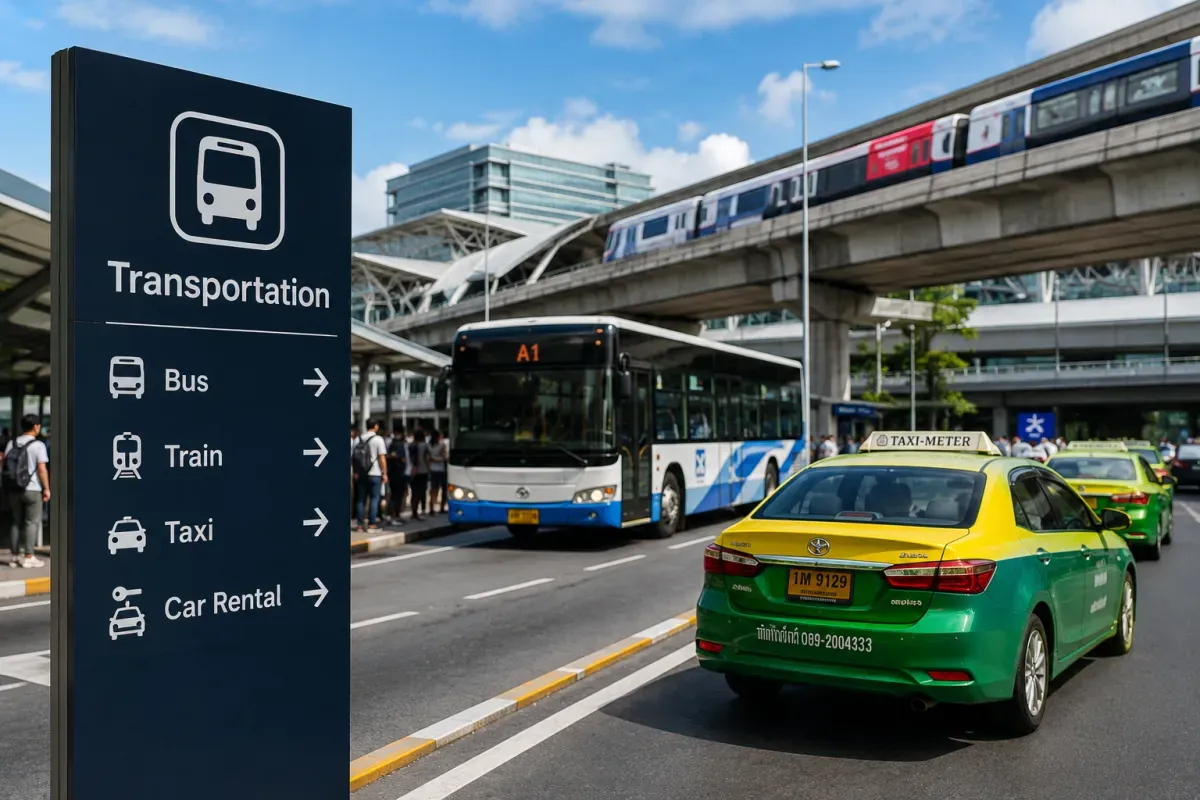
Transportation
Schedules and fares are subject to change.
Airport to City Access
Train, bus, taxi, and other options to the city center
Quito's Mariscal Sucre International Airport (UIO) sits about 35–40 km from the city centre, so allow 45–60 minutes by taxi or Uber. The Aeroservicios shuttle bus is a cheaper alternative into the city. Guayaquil's José Joaquín de Olmedo Airport (GYE) is much closer to its city centre and quick to reach.
- Quito (UIO)
- ~35–40 km, 45–60 min
- Options
- Taxi/Uber or Aeroservicios bus
- Guayaquil (GYE)
- Close to the city
- Quito airport is far from the centre; plan time
- Use ride-hailing or the airport shuttle
Public Transportation
Metro, bus, tram, and how to use them
Quito has BRT trunk lines (the Trole, Ecovía and Metrobús) plus the Quito Metro, a subway that opened in 2023. Guayaquil relies on the Metrovía BRT system. Services are cheap and useful, but can be very crowded at peak times, so keep an eye on your belongings.
- Quito
- Trole/Ecovía/Metrobús + Metro
- Guayaquil
- Metrovía (BRT)
- Note
- Crowded at peak; watch belongings
- Quito Metro opened in 2023
- BRT and metro are cheap and useful
IC Cards & Travel Passes
Discount passes and rechargeable transit cards
There is no single unified travel card across Ecuador. The Quito Metro and some BRT lines use their own top-up cards, while many buses still take cash for a flat fare. Carry small change, and buy or top up a card at the station when you need one.
- System
- No single unified card
- Quito Metro/BRT
- Own top-up cards
- Buses
- Often cash, flat fare
- Carry small change for cash fares
- Buy or top up cards at the station
Car Rental & Driving
License requirements and traffic rules
Ecuador drives on the right and an International Driving Permit is required. Mountain roads and rough or unpaved surfaces are common, so drive carefully. Avoid night driving and be cautious on rural routes for safety reasons. In cities, ride-hailing and BRT often make a rental car unnecessary.
- Drives on
- The right
- Permit
- International Driving Permit
- Watch for
- Mountain/rough roads, night
- Avoid night driving; be careful in rural areas
- A car is often unnecessary in cities
Intercity Travel
Long-distance buses, trains, and ferries
Long-distance buses are the backbone of intercity travel, leaving from each city's bus terminal (Terminal Terrestre) to destinations across the country. Fares are cheap and departures frequent, but mountain roads mean journeys can take a long time. Keep your belongings close on board.
- Main mode
- Long-distance buses
- From
- Terminal Terrestre
- Note
- Slow on mountain roads
- Cheap fares and frequent departures
- Keep belongings close on board
Domestic Flights
Budget airlines and booking tips
Domestic flights are well developed, run by carriers such as LATAM Ecuador and Avianca Ecuador, and save a lot of time over long bus journeys. Key routes include Quito–Guayaquil and the mainland to the Galápagos (Baltra, GPS, or San Cristóbal, SCY). For the Galápagos you need a Transit Control Card (TCT) and must pay the national park entrance fee.
- Carriers
- LATAM Ecuador, Avianca Ecuador
- Key routes
- Quito–Guayaquil, Galápagos
- Galápagos
- TCT card + park fee
- Flights save time over long bus rides
- Galápagos requires TCT card and park fee
Transportation Tips
Advice for safe and efficient travel
Carry small change for buses and BRT fares, and use ride-hailing apps rather than street taxis for safety. Allow extra time on mountain routes, where journeys are slow. When flying to the Galápagos, bring the Transit Control Card (TCT) and the cash for the national park entrance fee, as the process is done at the airport.
- Cash
- Small change for buses/BRT
- Safety
- Prefer ride-hailing apps
- Galápagos
- Bring TCT card and fees
- Mountain routes are slow; allow extra time
- Prepare TCT and park fee before Galápagos