
Currency & Payment
Exchange rates fluctuate daily. Check current rates locally.
Local Currency Overview
Currency type, banknotes, and coin denominations
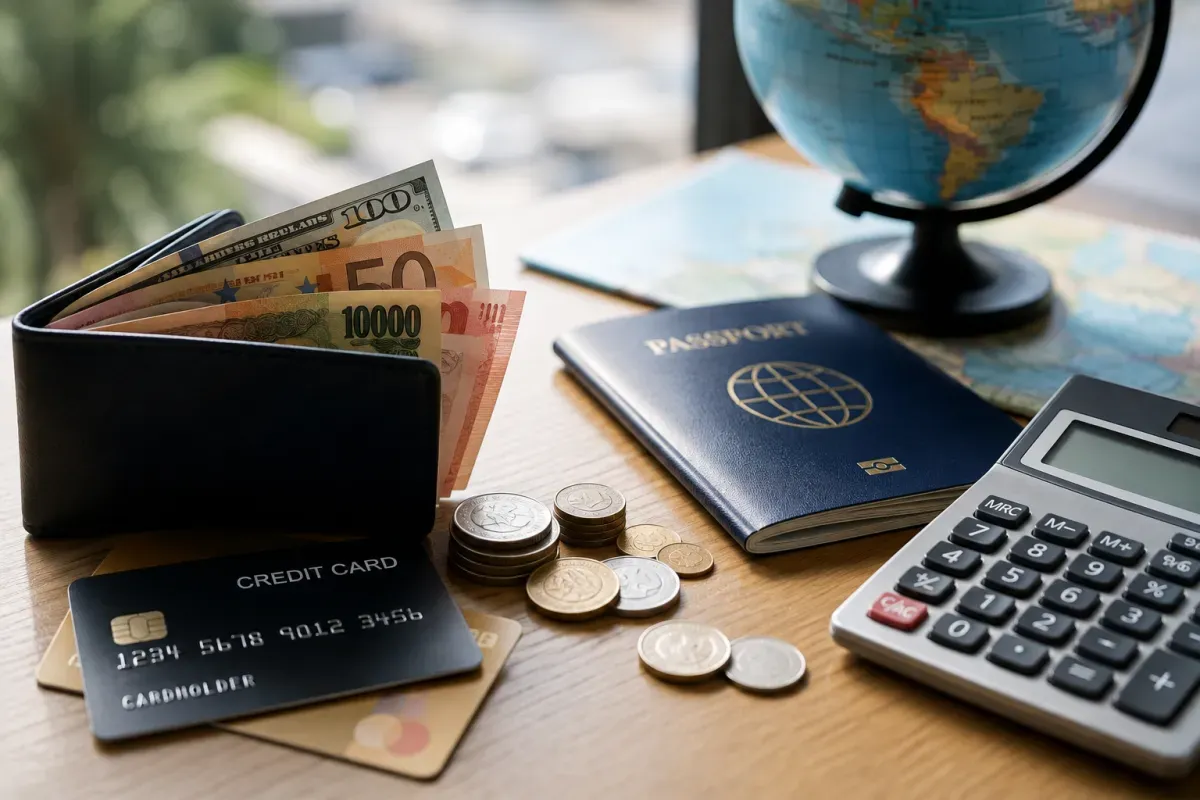
The currency is the Fijian dollar (FJD), shown as $ or FJ$ and divided into 100 cents. Notes come in 5, 10, 20, 50 and 100 dollars, with coins for smaller amounts. Resorts and hotels widely accept cards, but towns, buses, markets and small islands often run on cash. Carry small notes for taxis, tips and village visits, and keep some cash before heading to remote islands.
- Currency
- FJD (FJ$)
- Notes
- 5 to 100
- Tip
- Carry small notes
- Resorts take cards; towns often prefer cash
- Keep cash for small islands and buses
Currency Exchange Tips
Best places and methods to exchange money
You can change major currencies at banks and exchange counters at Nadi airport and in towns. Airport rates are convenient on arrival but not always the best, so change a modest amount there and more in town if needed. ATMs give Fijian dollars at fair rates. Keep exchange receipts, and change enough before island trips where exchange options are limited.
- Where
- Banks, airport
- Airport
- Convenient, not best
- Islands
- Change ahead
- Change enough before island trips
- ATMs give fair rates for FJD
Credit Card Acceptance
Card brand availability and usage tips
Resorts, larger hotels, tour operators and shops in Nadi and Suva widely accept Visa and Mastercard; American Express is more limited. Away from tourist hubs and on small islands, cash is king, and card facilities may be unreliable or add a surcharge. Tell your bank you are travelling, carry a backup card, and always keep enough cash for buses, markets, taxis and village visits.
- Accepted
- Resorts, main towns
- Best
- Visa, Mastercard
- Islands
- Cash is king
- Card facilities are limited on small islands
- Keep cash for buses, markets and villages
ATM Usage
How to withdraw cash and associated fees
ATMs are common in Nadi, Suva and other towns, and at Nadi airport, accepting international Visa and Mastercard. On small islands and remote resorts they are scarce or absent, so withdraw enough Fijian dollars before you leave the main island. Your home bank and local machines may each add a fee, so withdraw larger amounts less often. Use bank ATMs where possible for security.
- Towns
- Common
- Islands
- Scarce
- Tip
- Withdraw ahead
- Withdraw enough before leaving the main island
- Use bank ATMs where possible
Mobile & Digital Payments
Digital payment services available locally
Mobile money and wallet services such as M-PAiSA are used by locals, mainly for domestic transfers and bills, while visitors rely more on cards at resorts and cash elsewhere. International wallets like Apple Pay or Google Pay work only where contactless is accepted, which is limited outside main hubs. Do not count on tapping your phone on small islands; keep cash and a physical card as your main methods.
- Local
- M-PAiSA
- Visitors
- Cards, cash
- Islands
- Cash needed
- Contactless is limited outside main hubs
- Keep cash and a physical card as main methods
Tipping Culture
Expected tipping amounts and etiquette
Tipping is not a strong tradition in Fiji and is never expected, but it is welcomed for good service. Many resorts run a shared staff fund, sometimes called a Christmas Fund, rather than individual tips, so you can contribute there. Small tips for guides, drivers or helpful staff are appreciated but optional. Some hotels add a service charge to the bill; check before adding extra.
- Expected
- No
- Resorts
- Shared staff fund
- Optional
- Good service
- Many resorts have a shared staff fund
- Check if a service charge is already added
Price Guide
Average costs for meals, transport, and accommodation
Fiji spans a wide range of prices. Local meals, market produce and buses are cheap, while island resorts, boat transfers and organised activities like diving push budgets up quickly. Remote islands cost more because supplies and transfers are shipped in. Backpackers can travel affordably on the main island, while resort stays are a bigger spend. Budget extra for water transfers and tours.
- Local
- Cheap
- Resorts
- Pricier
- Islands
- Transfers add up
- Local meals and buses are cheap
- Island transfers and tours add up fast
Fiji applies VAT to most goods and services, and shown prices usually include it. There is a tourist VAT refund scheme at the airport on eligible purchases from participating retailers, subject to minimum spend, valid receipts and taking the goods out of the country. Rules and eligibility can change, so keep tax invoices, ask retailers if they participate, and confirm the current process with the official Fiji Revenue and Customs guidance before you fly.
- Tax
- VAT included
- Refund
- At airport (eligible)
- Keep
- Tax invoices
- Refund applies to eligible purchases only
- Confirm the current process with FRCS