
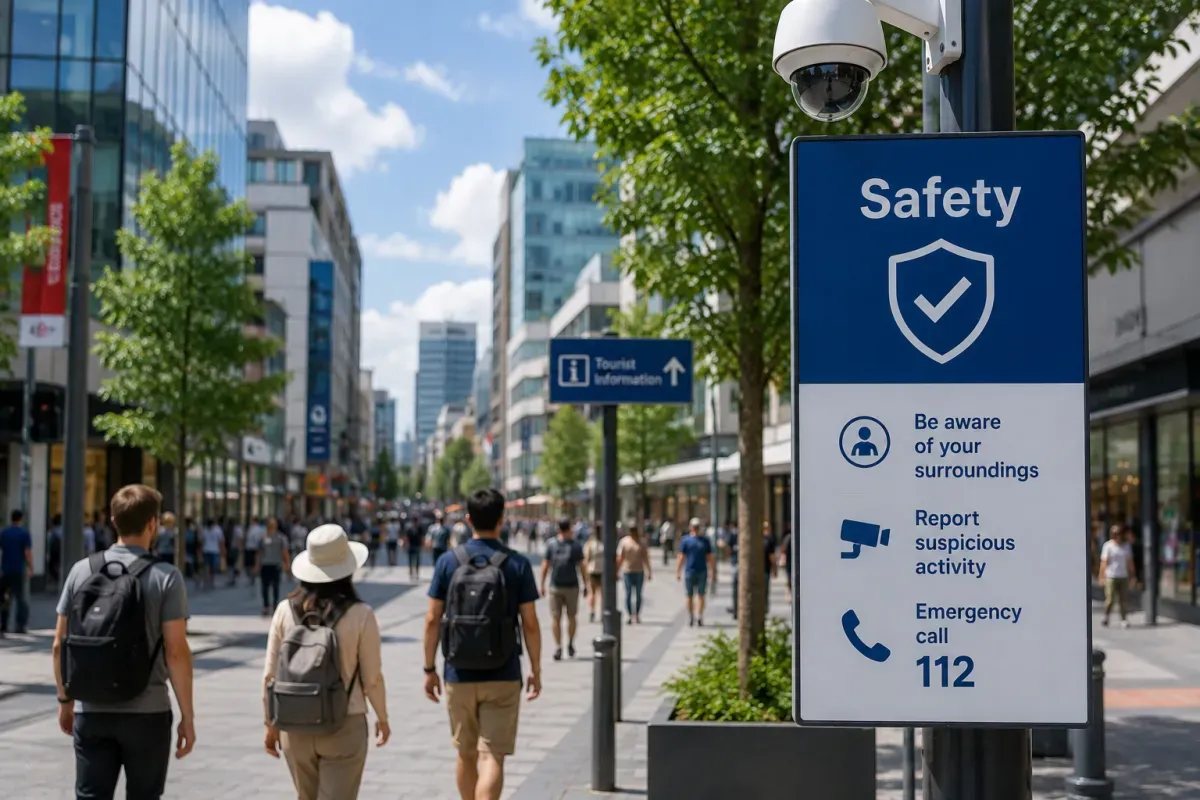
Travel Advisory
Please check your government's official travel advisory before departure. Situations can change rapidly.
Safety Level
Official risk level and travel advisories
Indonesia, and Bali in particular, is generally safe and welcoming for tourists. Petty theft, bag-snatching from scooters and traffic accidents are the main day-to-day risks. Natural hazards (volcanoes, earthquakes) and the rainy season matter too. Take normal precautions and follow local advice.
- Overall
- Generally safe
- Main risks
- Theft, traffic, nature
- Emergency
- Call 112
- Traffic and scooter accidents are a common risk
Danger Zones & Areas to Avoid
Regions with poor security or restricted access
Popular tourist areas like Bali, Yogyakarta and Jakarta are fine with normal care. A few regions (parts of Papua and some remote areas) can have unrest, and some volcanoes have exclusion zones. Check your government's current advisory for any specific areas before travelling off the usual routes.
- Tourist areas
- Fine with usual care
- Some regions
- Check advisories
- Volcanoes
- Respect exclusion zones
- Check current advisories before off-route travel
Natural Disaster Risks
Earthquakes, typhoons, floods, and other hazards
Indonesia sits on the Ring of Fire, with active volcanoes, frequent earthquakes and tsunami risk. The rainy season (roughly November–March) brings floods and landslides. Monitor the BMKG agency and local news, follow evacuation orders, and respect volcano exclusion zones during any eruptions.
- Volcanoes
- Active — respect exclusion zones
- Quakes
- Frequent, tsunami risk
- Rainy season
- ~Nov–Mar floods
- Monitor BMKG and follow evacuation orders
Health & Disease Risks
Endemic diseases and hygiene concerns
Tap water is not safe to drink — use bottled or filtered water. Dengue is present, and there is a low malaria risk in some remote areas (not the main tourist spots). "Bali belly" (traveller's diarrhoea) is common. Eat at busy, clean places, use insect repellent, and see a travel clinic before you go.
- Water
- Bottled/filtered only
- Dengue
- Present — repellent
- Stomach
- Traveller's diarrhoea common
- Use insect repellent; malaria risk in some remote areas
Crime & Scam Trends
Common crimes and scams targeting tourists
Watch for bag-snatching by scooter riders, pickpocketing in crowds, and ATM card skimming. Common scams include money changers shortchanging, inflated taxi fares, and drink-spiking in nightlife spots. Use reputable money changers, keep bags on the inside of the pavement, and cover your PIN.
- Snatching
- Scooter bag-snatch
- Money changers
- Use reputable ones
- Nightlife
- Watch your drink
- Use licensed money changers to avoid shortchanging
Political Situation & Protests
Political instability and potential demonstrations
Indonesia is a stable democracy and tourist areas are largely unaffected by politics. Occasional demonstrations happen in big cities and can cause traffic disruption. Avoid protests and large gatherings, and follow local news. There is no significant political risk for typical tourist itineraries.
- System
- Stable democracy
- Protests
- Occasional in cities
- Advice
- Avoid large gatherings
- Tourist areas are largely unaffected by politics
Local Laws & Prohibitions
Important local laws and penalties for travelers
Drug offences carry extremely severe penalties, including the death penalty for trafficking. Indonesia is largely Muslim, so dress modestly away from beaches and respect local customs, especially at temples and during Ramadan. Behave respectfully at sacred sites in Bali. Some conservative areas (like Aceh) enforce stricter rules.
- Drugs
- Extreme penalties
- Dress
- Modest away from beach
- Sites
- Respect temples/customs
- Drug trafficking can carry the death penalty
Emergency Contacts
Police, ambulance, and fire department numbers
The single national emergency number is 112, which connects you to police, fire and ambulance. Older separate numbers (110 police, 113 fire, 118/119 ambulance) may still work in some areas. In Bali and other tourist areas, your hotel can help contact the right service and interpret.
- Emergency
- 112 (all services)
- Older lines
- 110/113/118
- Help
- Hotel can assist
- Your hotel can help contact and interpret in tourist areas
Embassy & Consulate Info
Location and contact details of your embassy
No embassy or consulate information is available for your selected nationality in this country.
Travel Insurance
Recommended coverage and tips for choosing a policy
Take comprehensive travel insurance that covers medical care and evacuation. Private clinics in Bali expect upfront payment, and serious cases may need evacuation to Singapore or your home country, which is very expensive. Crucially, make sure your policy covers scooter/motorbike riding and any adventure activities you plan.
- Insurance
- Medical + evacuation
- Scooters
- Confirm cover
- Evacuation
- Can be very costly
- Many policies exclude scooter riding without a valid licence