
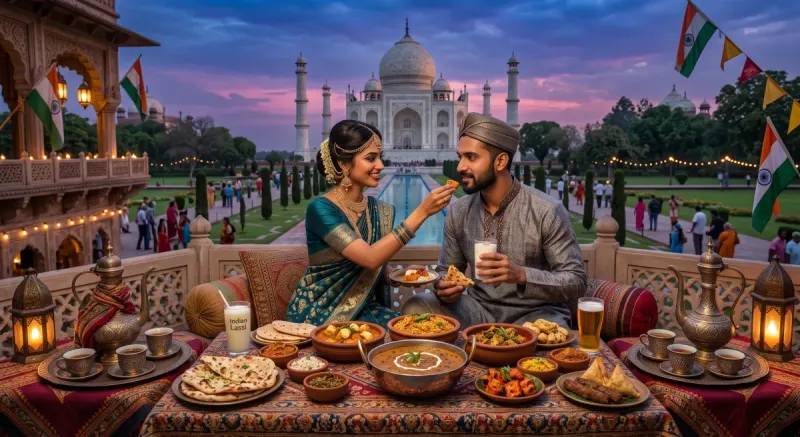
Discover India through travelers like you
🇮🇳India
Learn more about India
About India
Population: 1.4 billion
Taj Mahal, Rajasthan forts, Kerala backwaters, Himalayan peaks. 5,000 years of civilization with incredible diversity in food, language, and culture.
Climate: Now ~29°CVaried (0–45°C)
When to visit India
Best Season
10-3月
Average monthly temperatures. This month is highlighted.
India Basic Info
| Capital | New Delhi |
| Currency | Indian Rupee (₹) INR |
| Language | Hindi, English |
| Timezone | UTC+5.50 |
| Voltage | 230V Plug: C,D,M |
| Driving Side | Left-hand traffic |
| Visa | Visa required |
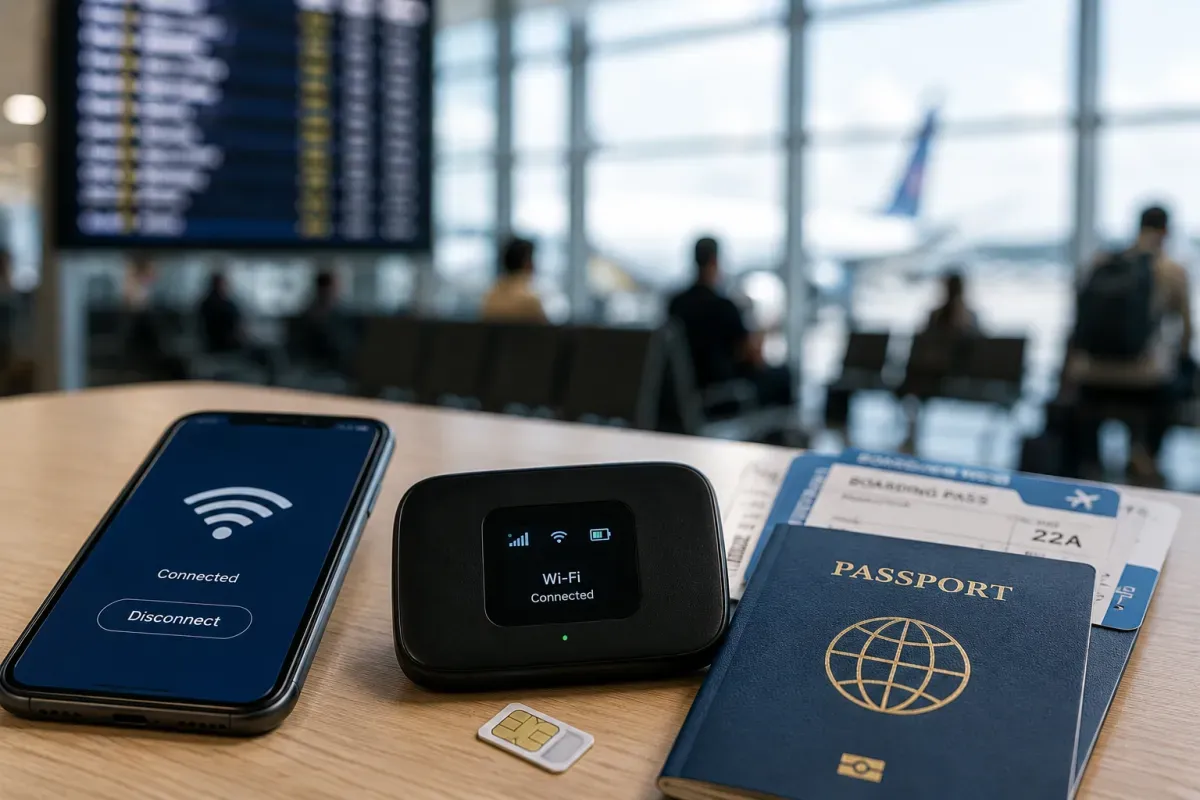
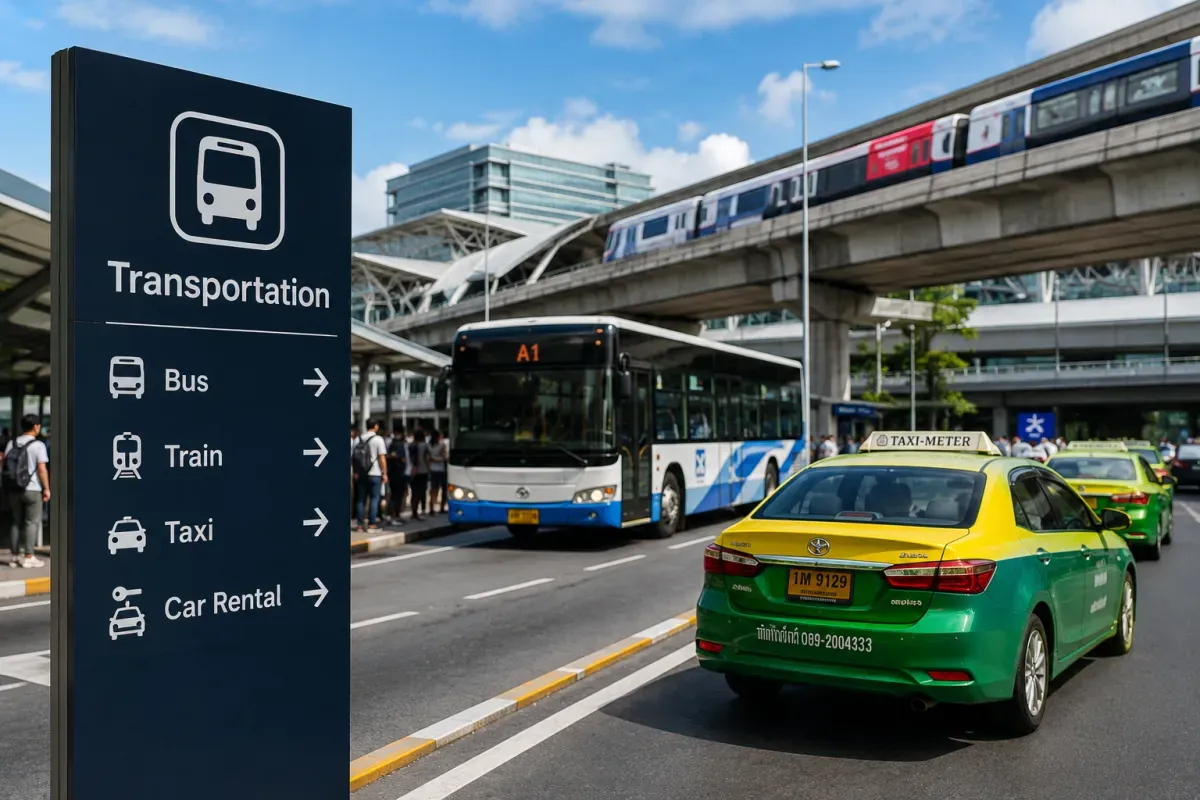
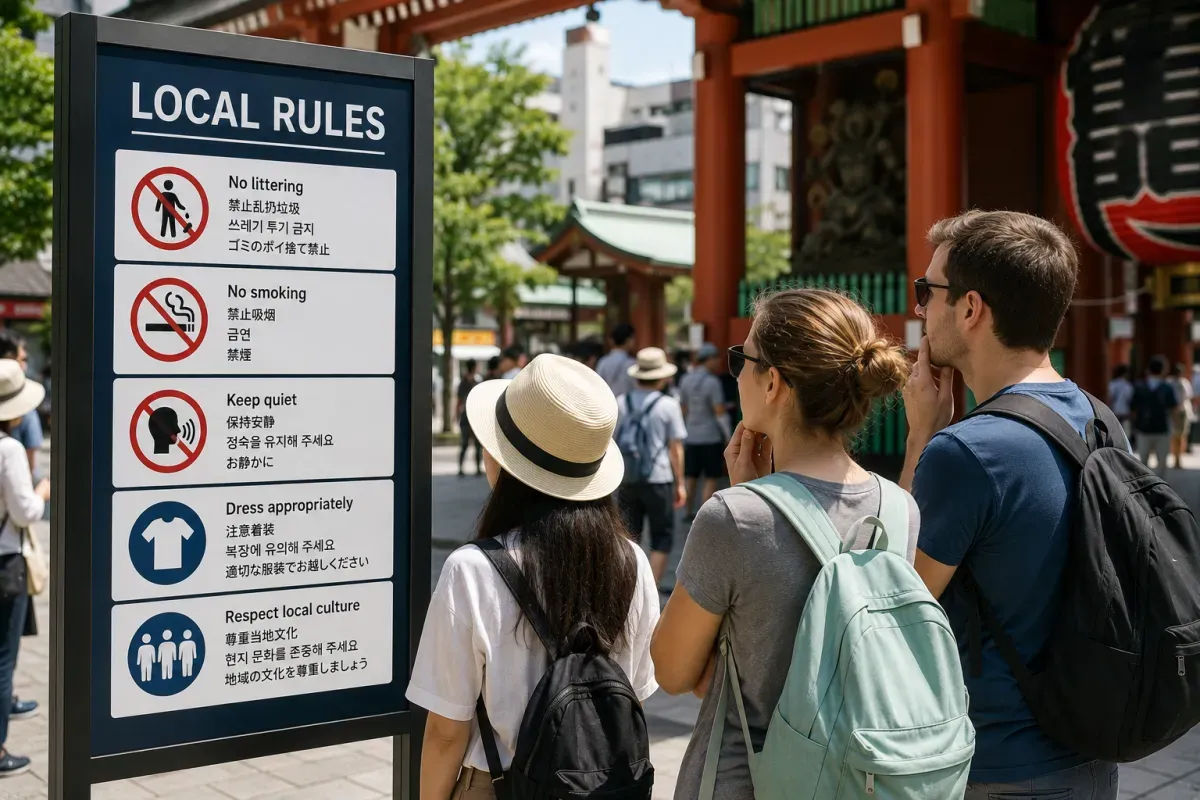
Travel Preparation Guide
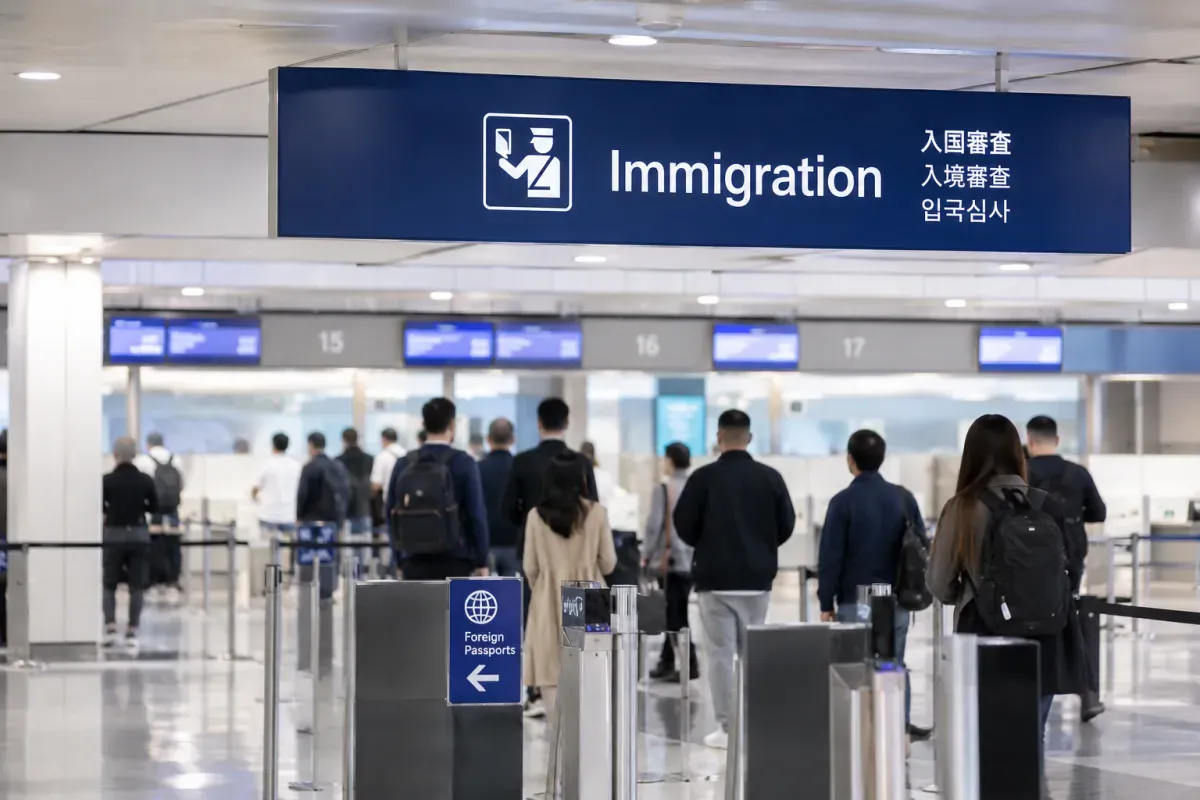
Area Map
Area List(36)
Popular Cities Ranking
Where to go in India? Pick your destination from popular regions.
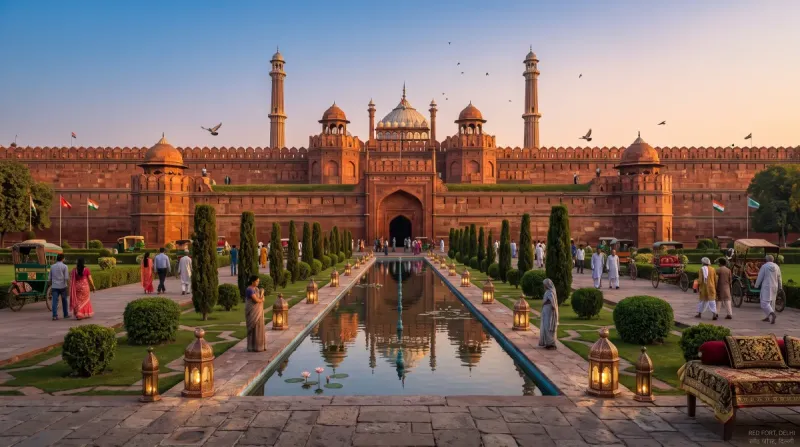
Heritage & Landmarks

Kanchenjunga National Park
Rani ki Vav (The Queen's Stepwell)
Great Himalayan National Park
Hill Forts of Rajasthan
Red Fort Complex
Mahabodhi Temple Complex at Bodh Gaya
Valley of Flowers National Park
Great Living Chola Temples
Sundarbans National Park
Group of Monuments at Hampi
Khajuraho Group of Monuments
Churches and Convents of Goa
Kaziranga National Park
Sun Temple, Konark
Taj Mahal
Ajanta Caves
Dal Lake Houseboats
Golden Temple (Harmandir Sahib)
Hemis Monastery
Charminar
Kerala Backwaters
Buddhist Ruins at Nagarjunakonda
Jaipur City
Nalanda Mahavihara
Champaner-Pavagadh Archaeological Park
Qutb Minar and its Monuments
Buddhist Monuments at Sanchi
Group of Monuments at Pattadakal
Mahabalipuram (Group of Monuments)
Ellora Caves
Agra Fort
Goa Beaches
Pangong Lake
Rishikesh and the Ganges
Periyar Wildlife Sanctuary
Shimla Colonial Architecture
Victoria Memorial, Kolkata
Jagannath Temple, Puri
Chhatrapati Shivaji Terminus
Humayun's Tomb
Mysore Palace
Varanasi Ghats
Amber Fort
Statue of Unity
Munnar Tea Plantations
Meenakshi Amman Temple, Madurai
Fatehpur Sikri
Hawa Mahal (Palace of Winds)
India Gate
Gateway of India
Jantar Mantar, Jaipur
Elephanta Caves
Lotus Temple
Mehrangarh Fort, Jodhpur
City Palace, Udaipur
Events & Festivals in India
Ganesh Chaturthi Maharashtra
Ganesh Chaturthi
Pune International Film Festival (Film Festival)
Jaipur International Film Festival (Film Festival)
Pongal
Surajkund International Crafts Mela (Fair)
Rann Utsav
Rajasthan International Folk Festival (Dance Festival)
Plan Your Trip to India
Check entry procedures, hotels, and transport with our travel guide
Back from India?
Share your travel experience as a Tripbox and inspire the next traveler.
Sign up to createFrequently Asked Questions
Population: 1.4 billion Climate: Varied (0–45°C) Taj Mahal, Rajasthan forts, Kerala backwaters, Himalayan peaks. 5,000 years of civilization with incredible diversity in food, language, and culture.
The average temperature in India in month 9 is about 29°C.
Most visitors need a visa to enter India. Apply in advance through the embassy or online visa portal.
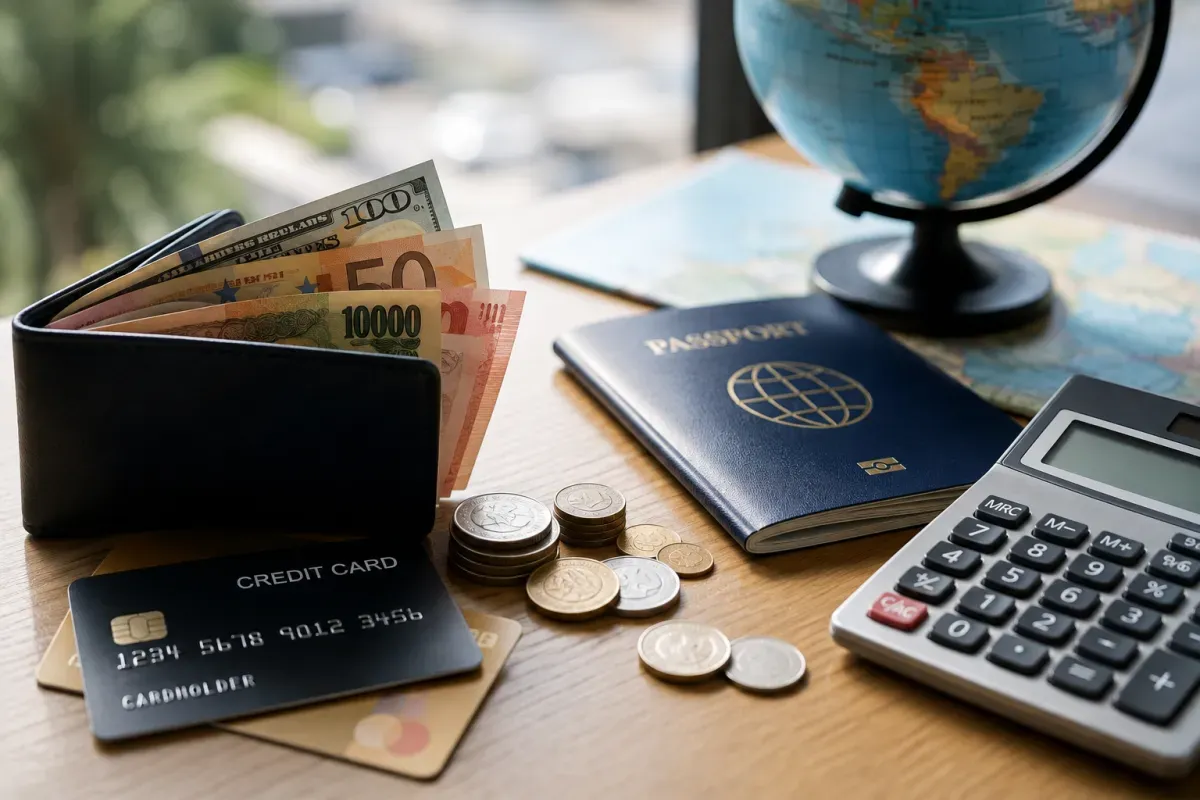
The official currency of India is Indian Rupee. Credit cards are widely accepted in major cities, but carry cash for smaller establishments.
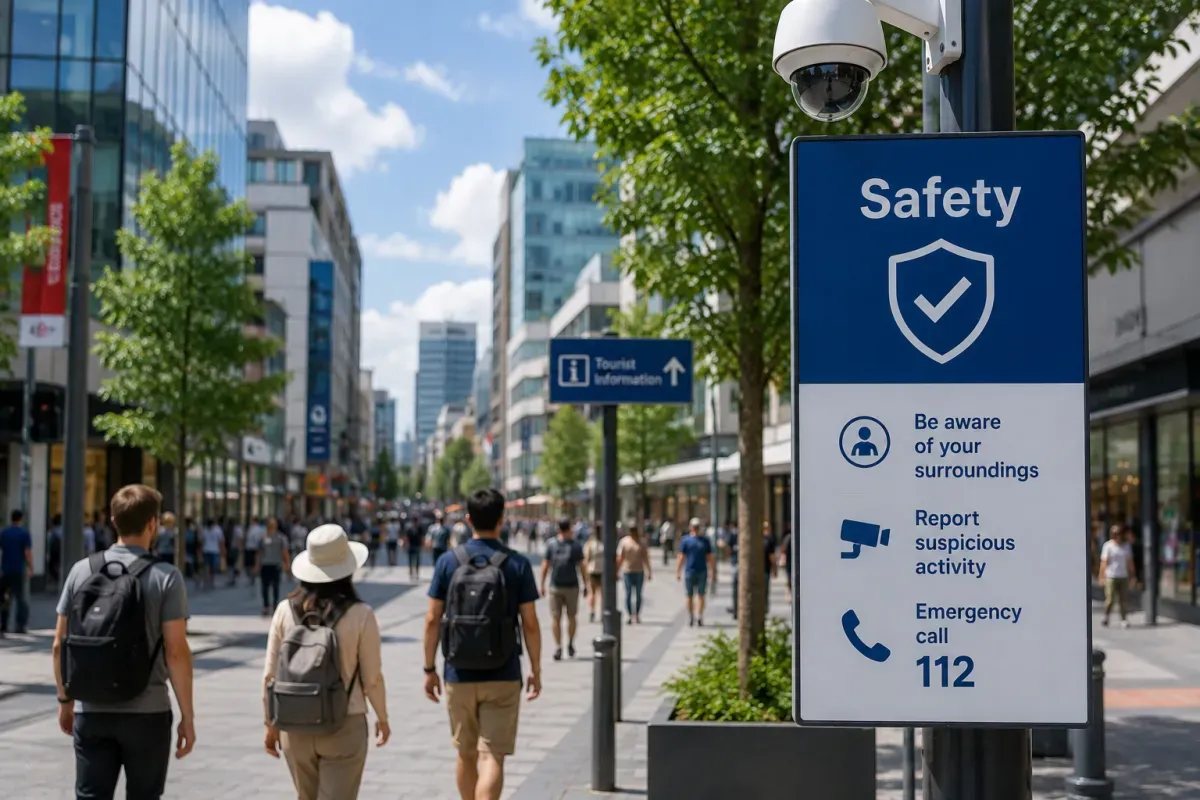
India is generally considered safe for tourists. Exercise normal precautions as you would in any destination.
The best time to visit India is 10-3月.
💬 Travelers' Voices
Traveled to India? What surprised you the most?