
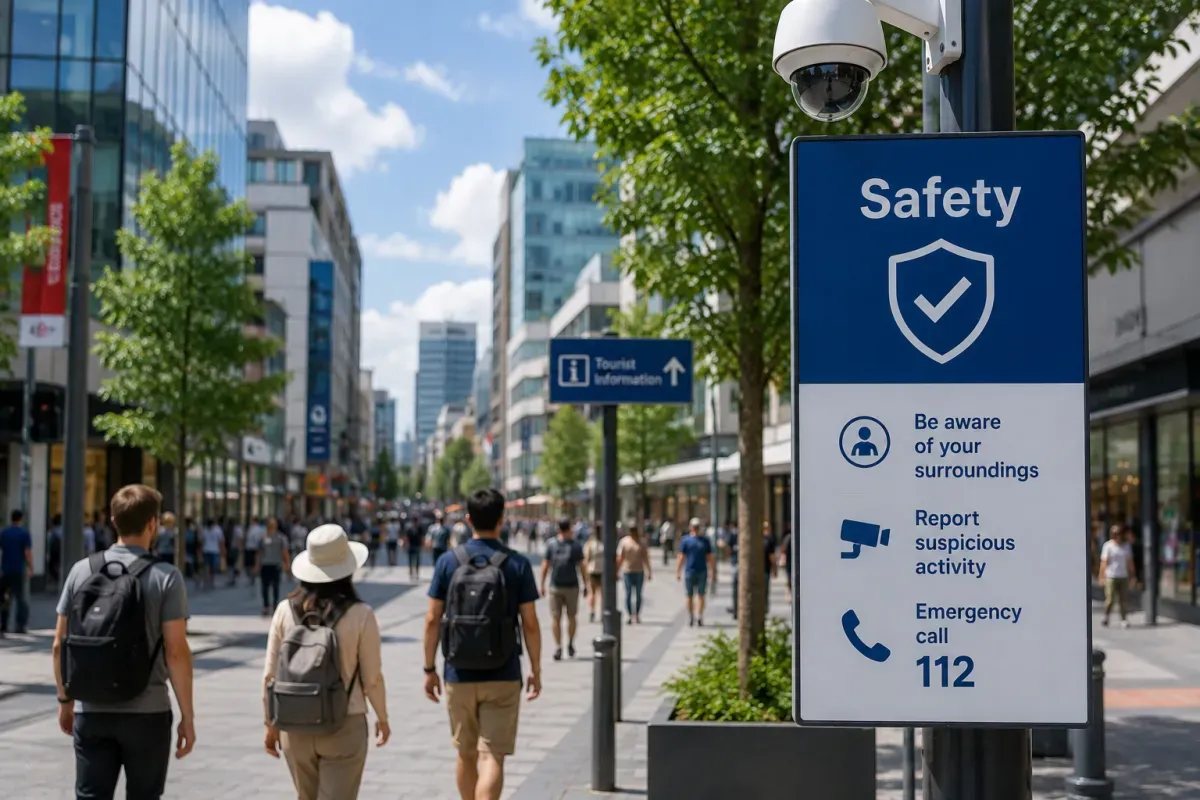
Travel Advisory
Please check your government's official travel advisory before departure. Situations can change rapidly.
Safety Level
Official risk level and travel advisories
India is a rewarding but intense destination. Most visits are trouble-free, but petty theft, scams and aggressive touts are common in tourist areas. Women travellers should take extra care, especially at night. The all-in-one emergency number is 112.
- Overall
- Generally OK; stay alert
- Watch for
- Scams, touts, theft
- Emergency
- 112 (all services)
- Women should take extra care and avoid travelling alone at night
Danger Zones & Areas to Avoid
Regions with poor security or restricted access
Popular tourist areas are generally fine by day. Some border regions and specific states have travel advisories due to unrest or conflict — check your government's current advice before visiting. In cities, take care in crowded markets and stations, and avoid quiet or poorly lit areas at night.
- Check
- Advisories for border/conflict areas
- Cities
- Care in crowds and at night
- Tip
- Follow official guidance
- Read your government travel advice for state-specific warnings
Natural Disaster Risks
Earthquakes, typhoons, floods, and other hazards
The monsoon (roughly June–September) brings heavy rain, flooding and landslides, especially in hilly and coastal areas. Cyclones can hit the east coast, and extreme heat is common in summer (April–June). Earthquakes occur in the Himalayan north. Check the IMD forecast and follow local warnings.
- Monsoon
- Jun–Sep: floods, landslides
- Heat
- Extreme in Apr–Jun
- Forecast
- IMD (mausam.imd.gov.in)
- Stay hydrated and avoid midday sun in the hot season
Health & Disease Risks
Endemic diseases and hygiene concerns
Do not drink tap water — stick to sealed bottled or filtered water and be careful with ice, salads and street food ("Delhi belly" is common). Mosquito-borne dengue and malaria occur in places, so use repellent. Air pollution can be severe in big cities in winter. Get comprehensive travel insurance.
- Water/food
- Bottled water; careful eating
- Mosquitoes
- Dengue/malaria — repellent
- Air
- Pollution high in winter cities
- See a travel clinic about recommended vaccines and malaria pills
Crime & Scam Trends
Common crimes and scams targeting tourists
Common scams include fake "closed hotel/office" tricks, gem or carpet export scams, rigged taxi meters, and overfriendly "helpers". Book taxis via Uber/Ola or prepaid counters. Be firm with touts, agree prices first, and use ATMs inside banks. Keep valuables secure in crowds.
- Scams
- Fake closures, gem/carpet deals
- Taxis
- Uber/Ola or prepaid
- Touts
- Be firm; agree prices
- Ignore strangers who say your hotel is closed or moved
Political Situation & Protests
Political instability and potential demonstrations
India is the world's largest democracy and generally stable for tourists. Protests, strikes ("bandhs") and large religious festivals can cause road closures and crowds. Communal tensions occasionally flare in specific areas. Avoid demonstrations, follow local news, and allow extra travel time around big events.
- Stability
- Stable democracy
- Disruptions
- Strikes, festivals, crowds
- Advice
- Avoid protests; follow news
- Large festivals draw huge crowds — plan transport carefully
Local Laws & Prohibitions
Important local laws and penalties for travelers
Drug offences carry severe penalties, including long prison terms. Some states are "dry" (alcohol banned or restricted). Dress modestly at temples (cover shoulders/knees, remove shoes) and respect religious customs. Public displays of affection can cause offence. Photography is banned at some military and religious sites.
- Drugs
- Severe penalties
- Alcohol
- Restricted in "dry" states
- Temples
- Dress modestly, remove shoes
- Ask before photographing people or religious ceremonies
Emergency Contacts
Police, ambulance, and fire department numbers
The unified emergency number is 112 (police, fire, ambulance). There is a women's helpline on 1091 and a national tourist helpline on 1363 (multilingual). Save these plus your embassy and insurer numbers. For serious illness, private hospitals in big cities offer the best care.
- Emergency
- 112 (all)
- Women's helpline
- 1091
- Tourist helpline
- 1363
- Private hospitals in big cities give the best emergency care
Embassy & Consulate Info
Location and contact details of your embassy
No embassy or consulate information is available for your selected nationality in this country.
Travel Insurance
Recommended coverage and tips for choosing a policy
Comprehensive travel insurance is strongly recommended. Good private hospitals often require upfront payment or a guarantee, and public facilities can be basic. Make sure your policy covers medical evacuation and any activities (trekking, motorbiking). Keep your insurer's number and policy details handy.
- Status
- Strongly recommended
- Cover
- Private care + evacuation
- Activities
- Check trekking/motorbike
- Private hospitals may want payment upfront — keep insurer details ready