
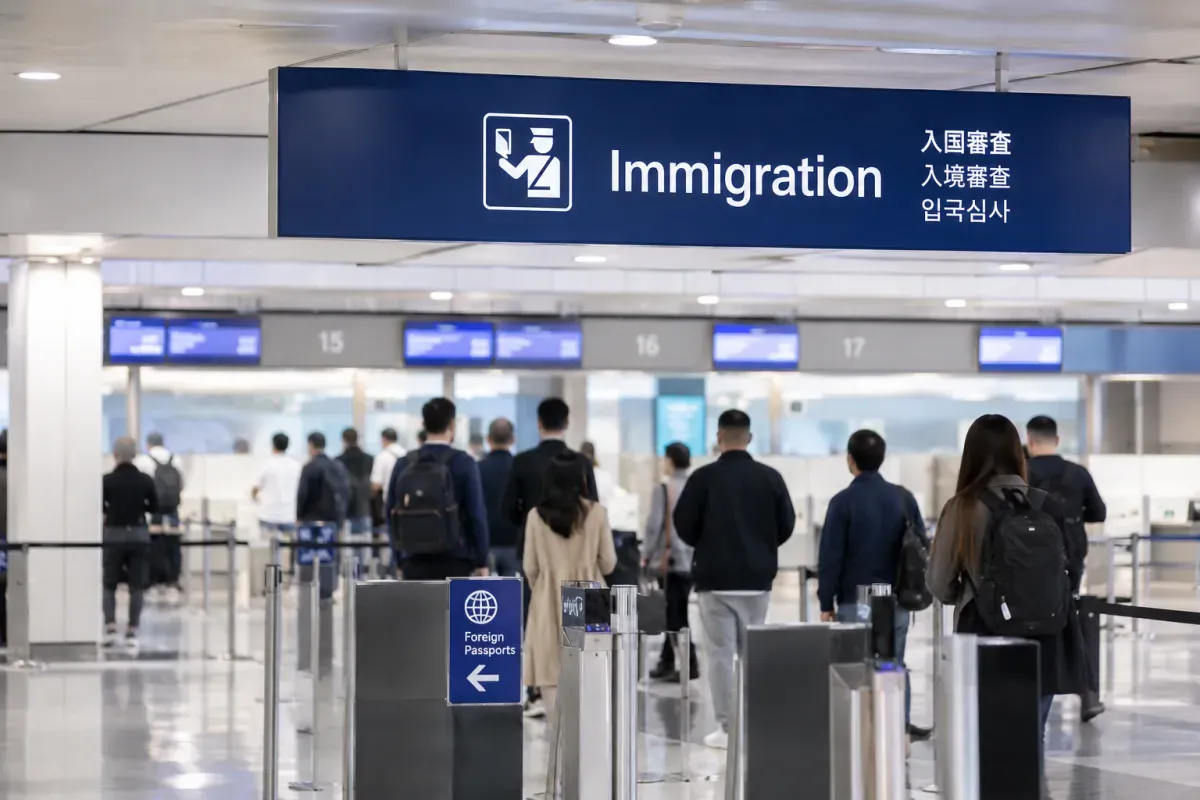
Entry Procedures
Visa and entry requirements depend on the country that issued your passport. The information here is general guidance. Always confirm the requirements for your own nationality with the official source.
This information is for general guidance only. Please verify with the embassy or official government sources before traveling.
Visa Requirements
Types of visas required and their conditions
Kenya requires almost all foreign visitors to obtain an Electronic Travel Authorization (eTA) before arrival, applied for online at the official etakenya.go.ke portal. This system has replaced the former visa on arrival and eVisa arrangements. Apply well ahead of travel and carry your approved eTA. Rules can change, so check the official Kenyan sources and your embassy before you travel.
- Authorization
- eTA required
- Apply
- etakenya.go.ke (online)
- Check
- Official sources
- The eTA replaces the earlier visa on arrival / eVisa system
- Apply online in advance and carry the approved authorization
Passport Conditions
Required validity period and blank pages
A common guideline is that your passport should be valid for at least 6 months from your date of entry into Kenya and have at least one or two blank pages for stamps. Make sure your passport details match those on your eTA application exactly. Check your specific requirements before you travel.
- Validity
- 6 months from entry
- Blank pages
- At least 1–2
- Match
- Details match eTA
- Passport should have blank pages for entry/exit stamps
- Passport details must match your eTA application exactly
Required Documents & Pre-registration
Arrival cards, health declarations, and other preparations
On arrival you may be asked to show supporting documents in addition to your passport and approved eTA. These can include a return or onward ticket, proof of accommodation (hotel or safari booking), evidence of sufficient funds, and in some cases a yellow fever vaccination certificate. Have these ready to speed up entry.
- Ticket
- Return/onward
- Stay
- Accommodation proof
- eTA
- Approved authorization
- Carry proof of accommodation and onward travel
- A yellow fever certificate may be required in some cases
Pre-arrival procedure — Kenya eTA (Electronic Travel Authorisation): an approved eTA is required before travel for almost all visitors (there is no visa on arrival). Apply on the official portal etakenya.go.ke, pay the fee (reported around USD 30) and receive the approved eTA by email, usually within about 24-72 hours. Beware paid look-alike sites.
Official Kenya eTA (etakenya.go.ke)- Surname
- SMITH
- Given name
- MICHAEL
- Nationality
- Your nationality (e.g. a representative country)
- Passport number
- A1234567
- Arrival date
- 2026-04-10
- Entry city
- Nairobi
Steps
- 1 On etakenya.go.ke check whether your nationality needs eTA or is visa-free/exempt
- 2 Complete the application and upload the passport page/photo as required
- 3 Pay the official fee and save the approved eTA (print or keep on your phone)
- 4 Present it at check-in and immigration together with your passport
Eligibility, fees, processing time and validity can change; for accurate details we recommend checking with the official government portal before you travel.
Last updated: 2026-08-30
Cash Import Limits
Declaration-free limits and procedures for excess amounts
Kenya sets a threshold above which cash carried in or out must be declared to customs. Travellers carrying currency at or above the reporting limit should declare it on arrival and departure. Undeclared amounts over the limit can be questioned or seized, so keep records of large sums and check the current threshold before you travel.
- Declare
- Above set limit
- When
- Arrival and departure
- Check
- Current threshold
- Keep records for large sums of cash
- Undeclared amounts over the limit may be seized
Duty-Free Allowances & Restricted Items
Limits on tobacco, alcohol, food, and other goods
Kenya allows a personal duty-free allowance for travellers, covering limited quantities of items such as alcohol, tobacco and personal effects. Goods beyond the allowance, or items intended for sale, may be subject to duty and should be declared. Check the current allowances with Kenya Revenue Authority customs before you travel.
- Allowance
- Personal use limits
- Over limit
- Duty may apply
- Declare
- Goods for sale
- Alcohol and tobacco have set duty-free limits
- Commercial quantities must be declared and may incur duty
Prohibited Items
Items that are strictly forbidden from import
Kenya strictly prohibits the export of ivory and wildlife products under the CITES convention, and penalties are severe. Illegal drugs are treated very seriously with heavy penalties. Other restricted items can include certain plants, foods and counterfeit goods. Do not carry any wildlife souvenirs, and check the rules before you travel.
- Banned
- Ivory/wildlife products
- Drugs
- Severe penalties
- CITES
- Strictly enforced
- Ivory and wildlife products are banned under CITES
- Illegal drugs carry severe penalties
Medication Import Rules
Rules for bringing prescription and over-the-counter drugs
Bring prescription medicines in their original packaging, along with a copy of the prescription or a doctor’s letter, ideally in English. Carry enough for your trip in your hand luggage. Some medicines that are common elsewhere may be controlled in Kenya, so check the status of anything unusual before you travel.
- Packaging
- Keep original
- Document
- Prescription/letter
- Carry
- In hand luggage
- Keep medicines in original labelled packaging
- Some common medicines may be controlled; check in advance
Vaccinations & Health Requirements
Required and recommended vaccines for entry
A yellow fever vaccination certificate may be required if you are arriving from, or have transited through, a country with a risk of yellow fever transmission. Malaria is present in many areas, so discuss prophylaxis with a travel clinic. Routine vaccines and others such as hepatitis and typhoid are commonly advised. Seek professional medical advice well before you travel.
- Yellow fever
- May be required
- Malaria
- Present in areas
- Advice
- Travel clinic
- Yellow fever certificate may be required from risk countries
- Discuss malaria prophylaxis and routine vaccines with a clinic
Immigration Process
Step-by-step guide from arrival to clearing immigration
Most international arrivals land at Jomo Kenyatta International Airport (NBO) in Nairobi. At immigration, present your passport and approved eTA; officers may ask about the purpose and length of your stay and your accommodation. Have your onward ticket and booking details ready. Follow signage and keep your documents accessible.
- Main airport
- Nairobi (NBO)
- Show
- Passport + eTA
- Ready
- Onward ticket/booking
- Officers may ask about purpose and length of stay
- Keep passport, eTA and bookings easily accessible
Tips for Smooth Entry
Practical advice for a hassle-free arrival
Kenya drives on the left, uses 240V with Type G (three-pin) sockets, and the calling code is +254. English and Swahili are widely used. Complete your eTA early, keep digital and paper copies of key documents, and confirm any yellow fever requirement for your route. A little planning makes entry and travel much smoother.
- Driving
- Left-hand side
- Power
- 240V, Type G
- Dial code
- +254
- Keep digital and paper copies of key documents
- Complete your eTA early and confirm yellow fever needs