
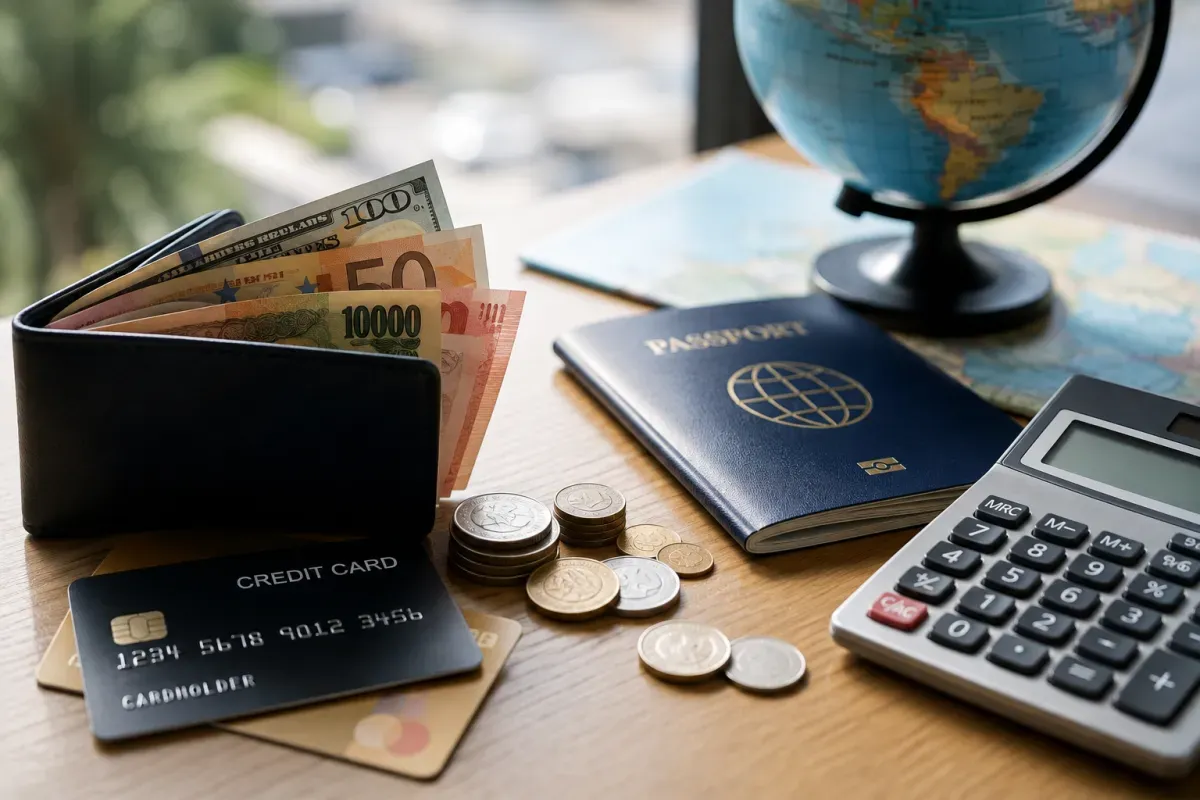
Currency & Payment
Exchange rates fluctuate daily. Check current rates locally.
Local Currency Overview
Currency type, banknotes, and coin denominations
Kenya uses the Kenyan shilling (KES, KSh), divided into 100 cents. The shilling circulates only within Kenya, so you obtain it locally rather than before you travel. Many safari lodges and upmarket hotels also quote prices in US dollars, but everyday spending is in shillings.
- Currency
- Kenyan shilling (KES, KSh)
- Subunit
- 100 cents
- Note
- Local circulation only
- The shilling is generally not available outside Kenya
- Some lodges and hotels also quote prices in US dollars
Currency Exchange Tips
Best places and methods to exchange money
US dollars are the easiest foreign currency to bring and exchange in Kenya, and many travellers change some on arrival. Use banks or licensed forex bureaus in cities and at the airport rather than informal changers. Bureaus often prefer newer, undamaged US dollar notes, and rates can vary, so compare a couple before changing larger sums.
- Bring
- US dollars widely used
- Where
- Banks / forex bureaus
- Notes
- Newer USD preferred
- Use licensed bureaus rather than informal changers
- Rates vary; compare before changing larger sums
Credit Card Acceptance
Card brand availability and usage tips
Visa and Mastercard are accepted at city hotels, upmarket restaurants, safari lodges and larger shops, and are the norm for booking tours and accommodation. Acceptance thins out in smaller towns, markets and rural areas, where cash or mobile money is expected. Carry a card for larger payments but keep some shillings for everyday spending.
- Accepted
- Hotels, lodges, big shops
- Networks
- Visa/Mastercard
- Rural
- Cash/mobile money
- Acceptance is limited in smaller towns and markets
- Keep some shillings alongside a card
ATM Usage
How to withdraw cash and associated fees
ATMs are widely available in Nairobi, Mombasa and other towns, and are a convenient way to withdraw shillings. Use machines at banks or inside secure locations, especially after dark, and shield your PIN. Watch for withdrawal limits and foreign-card fees, and decline home-currency conversion (DCC) to get a better rate.
- Availability
- Cities and towns
- Safety
- Use bank ATMs
- Tip
- Decline home-currency conversion
- Prefer ATMs at banks or secure indoor locations
- Check withdrawal limits and foreign-card fees
Mobile & Digital Payments
Digital payment services available locally
Mobile money is central to daily life in Kenya, and M-Pesa is by far the most widely used system for payments, transfers and topping up services. Shops, taxis, market stalls and many services accept it. It usually requires a local SIM and registration, so travellers often rely on cash and cards, but a local SIM with M-Pesa can be very convenient for a longer stay.
- System
- M-Pesa dominant
- Used for
- Shops, taxis, transfers
- Setup
- Local SIM/registration
- M-Pesa is used almost everywhere for small payments
- A local SIM is usually needed to register and use it
Tipping Culture
Expected tipping amounts and etiquette
Tipping is customary in tourism, especially on safari and in upmarket hotels. It is common to tip safari guides and drivers, as well as lodge and hotel staff, and many travellers set aside a tipping budget for a safari. In restaurants a service charge may be included; if not, a modest tip is appreciated. Tipping is discretionary and reflects good service.
- Safari
- Guides/drivers tipped
- Hotels
- Staff tips common
- Restaurants
- Check service charge
- Budget for tipping guides and drivers on safari
- Tipping is discretionary and reflects service
Price Guide
Average costs for meals, transport, and accommodation
Costs in Kenya vary widely. Local food, matatus (shared minibuses) and simple guesthouses can be very affordable, while safaris, park entry fees and upmarket lodges are the biggest expenses and can be significant. Nairobi and coastal resort areas tend to be pricier than smaller towns. Budget carefully around your safari plans and treat all figures as rough guidance.
- Affordable
- Local food, matatus
- Big costs
- Safari, park fees, lodges
- Pricier
- Nairobi, coast
- Safaris and park fees are usually the largest expenses
- Treat all price figures as rough guidance
Kenya applies Value Added Tax (VAT) to most goods and services, and prices generally include it. Kenya does not operate a broad tourist VAT-refund scheme like some countries, so visitors should not assume shopping refunds are available. If you have specific questions about tax on purchases or exports, check with Kenya Revenue Authority before you travel.
- Tax
- VAT applies
- Refund
- No broad tourist scheme
- Check
- Kenya Revenue Authority
- Prices generally already include VAT
- Do not assume a tourist shopping refund is available