
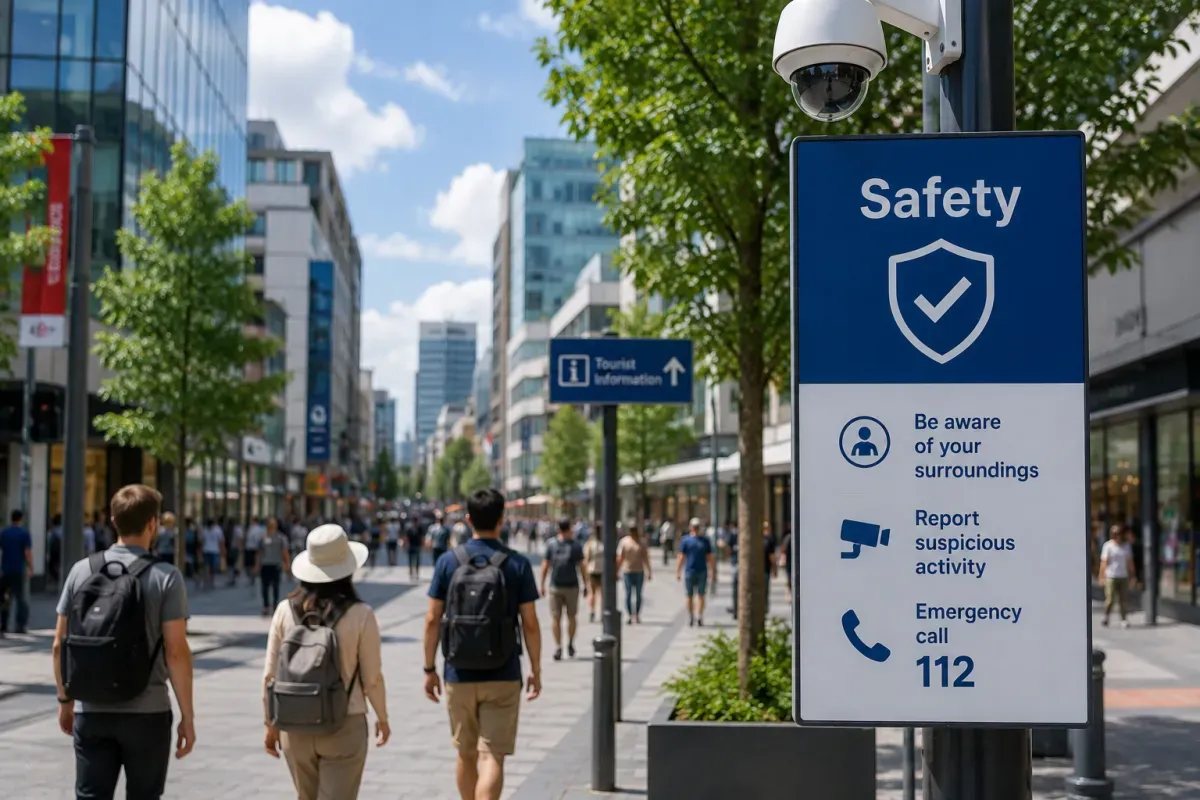
Travel Advisory
Please check your government's official travel advisory before departure. Situations can change rapidly.
Safety Level
Official risk level and travel advisories
South Korea is very safe with low crime and excellent infrastructure. The Korea Travel Hotline (1330) offers multilingual help.
- Crime
- Low; violent crime against tourists is rare
- Help line
- 1330 Korea Travel Hotline (24/7, multilingual)
- At night
- Public transport and streets are generally safe
- Stay aware in busy nightlife areas (e.g. Hongdae, Itaewon)
- Occasional inter-Korea tension rarely affects tourists; follow local news
Danger Zones & Areas to Avoid
Regions with poor security or restricted access
There are no no-go zones for tourists. The DMZ border area has access rules; visit only via authorized tours.
- No-go areas
- None for ordinary tourism
- DMZ
- Visit only on official/authorized tours
- Nightlife districts warrant normal big-city caution
Natural Disaster Risks
Earthquakes, typhoons, floods, and other hazards
Main risks are summer typhoons and heavy rain (Jun–Sep) and seasonal fine dust; earthquakes are infrequent.
- Typhoons
- Mainly Jul–Sep; may disrupt flights and coasts
- Fine dust
- Spring (Mar–May) can bring high PM2.5 — check air quality apps
- Earthquakes
- Uncommon but possible; follow official alerts
- Emergency alerts are sent to phones (Korean); the Emergency Ready app has English
- Carry a mask on high fine-dust days
Health & Disease Risks
Endemic diseases and hygiene concerns
Healthcare is excellent and tap water is safe. No vaccinations are required; keep routine ones up to date.
- Vaccinations
- None required; routine vaccines recommended
- Tap water
- Safe; many locals prefer filtered/bottled
- Medical care
- High quality; costs are manageable but insurance advised
- Big-city hospitals often have English-speaking staff
- On high fine-dust days, sensitive travelers should limit outdoor time
Crime & Scam Trends
Common crimes and scams targeting tourists
Violent crime against tourists is rare. Watch for occasional pickpocketing in crowds and overpriced-drink scams in some nightlife areas.
- Petty theft
- Uncommon but possible in crowded spots
- Nightlife scams
- Avoid touts pulling you into unlisted bars
- Taxis
- Use metered taxis or Kakao T; refuse fixed-fare offers
- Keep valuables secure in busy markets and on the subway
- Report crime by calling 112 (police)
Political Situation & Protests
Political instability and potential demonstrations
South Korea is a stable democracy. Occasional large demonstrations occur in central Seoul; they rarely affect tourists.
- Stability
- Stable; day-to-day travel unaffected
- Demonstrations
- Possible near government areas in Seoul
- Tensions
- Korean Peninsula tensions rarely disrupt travel
- Avoid protests and follow local media/embassy updates
Local Laws & Prohibitions
Important local laws and penalties for travelers
Drug laws are strict and enforced even for tourists. Carry ID; drone and photography rules apply near military zones.
- Drugs
- Illegal drugs bring heavy penalties and deportation — zero tolerance
- ID
- Carry your passport; police may ask for it
- Restrictions
- No photos of military sites; drones need permits
- Drug tests can apply to foreigners; even use abroad can be prosecuted for citizens
- Respect rules near the DMZ and government/military facilities
Emergency Contacts
Police, ambulance, and fire department numbers
Police 112, Fire/Ambulance 119. For tourists, the Korea Travel Hotline 1330 gives 24/7 multilingual help.
- Travel Hotline
- 1330 (24/7, English/Japanese/Chinese and more)
- Medical info
- 1339 for medical/emergency guidance
- English on 112/119
- Say "English please"; interpretation is available
- From abroad add +82 and drop the leading 0
- Many hospitals in big cities have English-speaking staff
Embassy & Consulate Info
Location and contact details of your embassy
No embassy or consulate information is available for your selected nationality in this country.
Travel Insurance
Recommended coverage and tips for choosing a policy
Travel insurance is strongly recommended. Foreign visitors pay out of pocket for care; costs can add up without cover.
- Coverage
- Medical treatment and evacuation
- Why
- No reciprocal healthcare for most tourists
- Keep
- Policy number and 24h assistance line handy
- Confirm cover for adventure activities (hiking, skiing) if planned