
Currency & Payment
Exchange rates fluctuate daily. Check current rates locally.
Local Currency Overview
Currency type, banknotes, and coin denominations
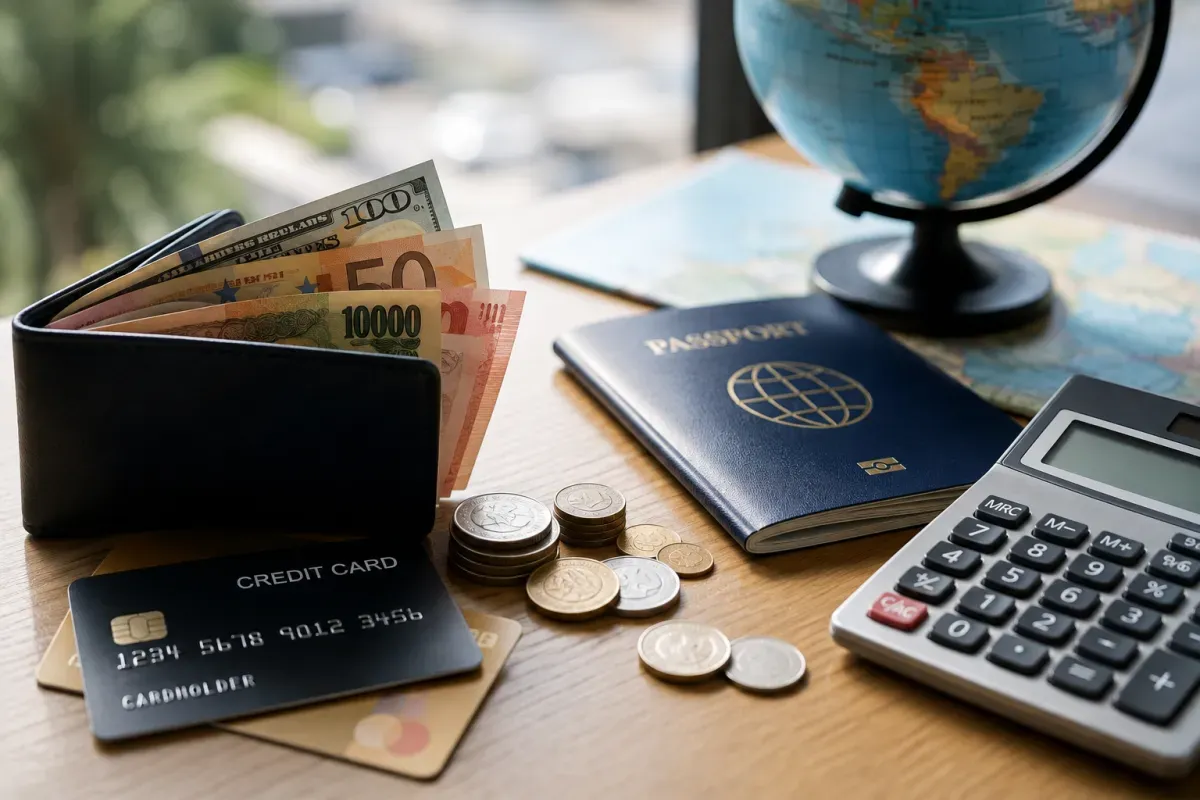
Lithuania uses the euro (EUR, €), divided into 100 cents. Lithuania adopted the euro in 2015, replacing the litas. Cards and contactless payments are very common, but it is still useful to carry a little cash for small shops, markets and rural areas.
- Currency
- Euro (EUR, €)
- Subunit
- 100 cents
- Since
- Adopted euro in 2015
- The euro replaced the litas in 2015
- Cards are widely used, but keep some cash for small purchases
Currency Exchange Tips
Best places and methods to exchange money
As Lithuania uses the euro, travellers from the eurozone need no exchange at all. If you need euros, withdrawing from an ATM (bankomatas) usually gives reasonable rates. Exchange bureaus (valiutos keitykla) exist in cities and at the airport, but compare rates and fees before changing money.
- Best option
- ATM withdrawal
- Bureaus
- Valiutos keitykla
- Note
- Compare rates and fees
- Eurozone visitors do not need to exchange money
Credit Card Acceptance
Card brand availability and usage tips
Cards are accepted almost everywhere in Lithuania, and contactless is the standard way to pay. Visa and Mastercard are widely taken in shops, restaurants, hotels and transport. Small local shops, markets or rural spots may prefer cash, so keep a little on hand as a backup.
- Acceptance
- Almost everywhere
- Contactless
- Standard
- Networks
- Visa/Mastercard widely
- Keep some cash for small shops and markets
ATM Usage
How to withdraw cash and associated fees
ATMs in Lithuania are called bankomatas and are easy to find in cities, at the airport and near shopping areas. Major banks include Swedbank, SEB and Luminor. Watch out for foreign-card fees, and always decline home-currency conversion (DCC) to get the better rate.
- Name
- Bankomatas
- Banks
- Swedbank, SEB, Luminor
- Tip
- Decline home-currency conversion
- Check your bank's foreign withdrawal and ATM fees in advance
Mobile & Digital Payments
Digital payment services available locally
Apple Pay and Google Pay are widely accepted in Lithuania and work almost everywhere contactless cards do. Simply add your card to your phone and tap to pay in shops, cafes and on public transport. Contactless cards plus a mobile wallet cover almost all situations for visitors.
- Wallets
- Apple Pay / Google Pay
- Acceptance
- Widely accepted
- For visitors
- Card + phone is enough
- Contactless cards cover almost all situations for tourists
Tipping Culture
Expected tipping amounts and etiquette
Tipping is modest and not obligatory in Lithuania. In restaurants, leaving around 5-10% for good service is common and appreciated, and rounding up the bill is fine for casual places. There is no strong obligation to tip taxis, bars or cafes.
- Expectation
- Modest, not obligatory
- Restaurant
- Around 5-10%
- Casual
- Round up the bill
- No strong obligation to tip taxis, bars or cafes
Price Guide
Average costs for meals, transport, and accommodation
Lithuania is relatively affordable compared with Western Europe, and Vilnius offers good value for a capital city. You can save with supermarket food, weekday set lunches (pietūs), and by enjoying free old towns, parks and nature. Dining out and imported goods cost more but remain reasonable.
- Level
- Affordable for Europe
- Costly
- Dining out, imports
- Save
- Set lunch, supermarkets
- Old towns, parks and nature are free to enjoy
Non-EU residents can claim a VAT (PVM) refund on eligible purchases above a minimum amount. Lithuania's standard VAT rate is 21%. Ask the shop for a tax-free form when you buy, then get customs validation when you finally leave the EU. Conditions and minimum spend apply, and the refund is paid via the tax-free operator.
- Who
- Non-EU residents
- VAT
- Standard 21%
- When
- On leaving the EU
- A minimum purchase amount and other conditions apply