
Currency & Payment
Exchange rates fluctuate daily. Check current rates locally.
Local Currency Overview
Currency type, banknotes, and coin denominations
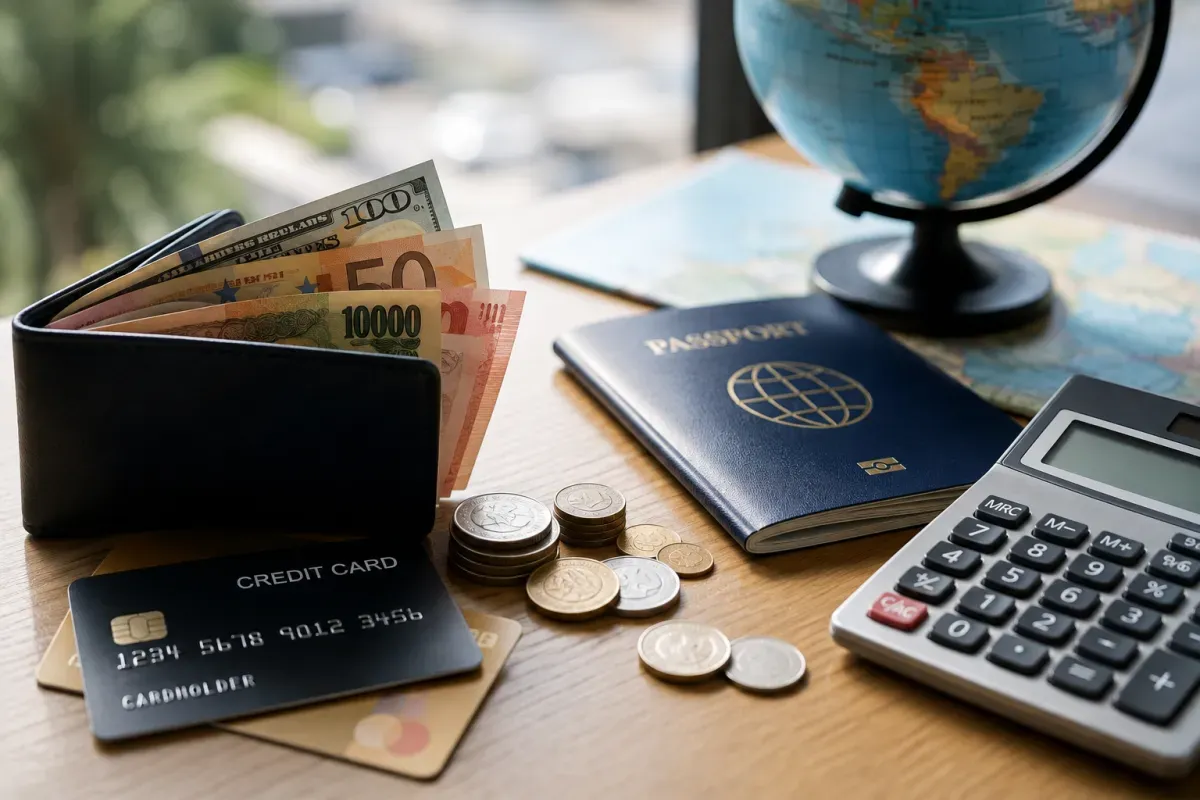
Latvia uses the euro (EUR, €), divided into 100 cents. Latvia adopted the euro on 1 January 2014, replacing the former Latvian lats (LVL). Card payments are very common and contactless is standard, but it is still handy to keep some coins and small notes for markets, small cafes and tips.
- Currency
- Euro (EUR, €)
- Subunit
- 100 cents
- Since
- Euro adopted in 2014
- Latvia joined the eurozone in 2014, replacing the lats (LVL)
- Keep small change for markets and small venues
Currency Exchange Tips
Best places and methods to exchange money
As Latvia is in the eurozone, eurozone visitors need no exchange at all. If you carry another currency, withdrawing euros from a bank ATM usually gives the best rate. Exchange offices exist at Riga Airport and in the city, but rates and fees vary, so compare before changing large amounts. Avoid changing money at unofficial kiosks.
- Best option
- Bank ATM withdrawal
- Bureaus
- Airport/city, rates vary
- Eurozone
- No exchange needed
- Compare rates and fees before changing large amounts
Credit Card Acceptance
Card brand availability and usage tips
Card payments are very widely accepted in Latvia, and contactless is the standard way to pay in shops, cafes and on public transport. Visa and Mastercard are taken almost everywhere in cities like Riga. Carry a little cash for small markets, rural areas or the odd venue that prefers it, but a card will cover almost all spending.
- Acceptance
- Very widely accepted
- Contactless
- Standard
- Networks
- Visa/Mastercard
- Keep some cash for markets and rural areas
ATM Usage
How to withdraw cash and associated fees
ATMs (bankomāts) are easy to find in Riga and other towns, run by banks such as Swedbank, SEB and Citadele. They are the most convenient way to get euros. Watch out for foreign-card fees, and always decline home-currency conversion (DCC) to get the better rate. Use ATMs attached to banks where possible.
- Banks
- Swedbank, SEB, Citadele
- Availability
- Easy in towns
- Tip
- Decline home-currency conversion
- Check your bank's foreign withdrawal and ATM fees in advance
Mobile & Digital Payments
Digital payment services available locally
Mobile payments are widely used in Latvia. Apple Pay and Google Pay work at most card terminals thanks to contactless acceptance, so you can pay with your phone or watch in shops, cafes and on transport. Set up your wallet before you travel and keep a physical card as backup in case a terminal has issues.
- Apple/Google Pay
- Widely usable
- Where
- Shops, cafes, transport
- Backup
- Carry a physical card
- Set up your mobile wallet before arriving
Tipping Culture
Expected tipping amounts and etiquette
Tipping in Latvia is not obligatory, but it is appreciated for good service. In restaurants and cafes, rounding up or leaving around 5-10% is common. Check the bill in case a service charge is already included. Small tips for taxis, hotel staff or guides are welcome but never required.
- Obligation
- Not required
- Restaurants
- Around 5-10%
- Check
- Service charge on bill
- Round up or leave 5-10% for good service
Price Guide
Average costs for meals, transport, and accommodation
Latvia is relatively affordable compared with Western and Nordic Europe, though Riga is pricier than the countryside. A coffee is often around EUR 2-3, a casual meal roughly EUR 10-15, and public transport tickets are cheap. Prices in the old town tourist areas run higher, so venture a little further for better value.
- Overall
- Relatively affordable
- Coffee
- Around EUR 2-3
- Casual meal
- About EUR 10-15
- Old town tourist areas are pricier; venture out for value
Non-EU residents can claim a VAT refund (Tax Free) on eligible goods bought in Latvia and taken out of the EU, subject to a minimum purchase amount. Ask the shop for a Tax Free form (via schemes like Global Blue), get it validated by customs when you leave the EU, and claim your refund. Keep the goods, receipts and forms together until validation.
- Who
- Non-EU residents
- Scheme
- Global Blue and others
- Step
- Customs validation on exit
- A minimum purchase amount usually applies
- Keep goods, receipts and forms together for validation