
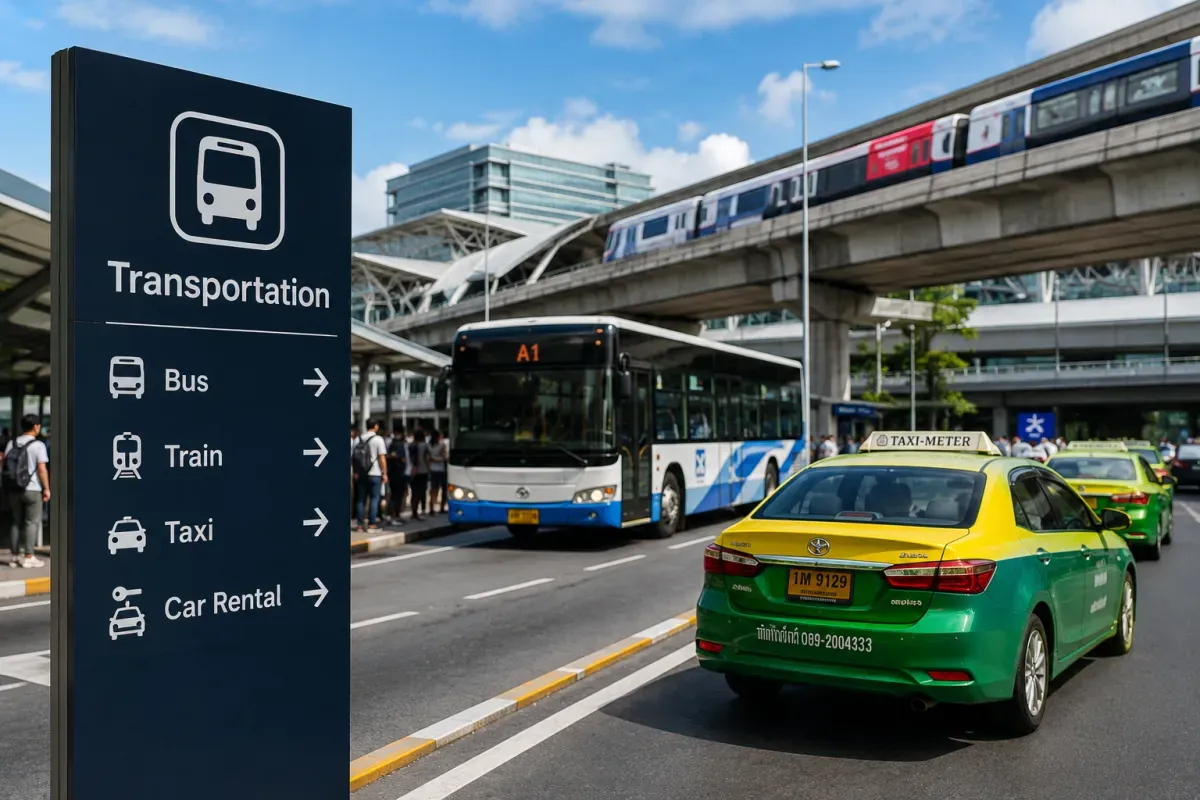
Transportation
Schedules and fares are subject to change.
Airport to City Access
Train, bus, taxi, and other options to the city center
Tribhuvan International Airport in Kathmandu is close to the city, so transfers are short but can be slow in traffic. The easiest option is a prepaid taxi from the official counter, which fixes the fare and avoids haggling; many hotels also offer pickups if arranged in advance. Ride-hailing apps like Pathao and InDrive operate in the city too. Have small rupees ready and confirm the fare before you set off.
- Airport
- Tribhuvan (Kathmandu)
- Taxi
- Prepaid counter
- Tip
- Arrange hotel pickup
- Prepaid taxis avoid haggling over the fare
- Traffic can make short transfers slow
Public Transportation
Metro, bus, tram, and how to use them
Kathmandu has no metro; local buses and microbuses are cheap but crowded, confusing for visitors and slow in traffic. Most travellers get around by metered or negotiated taxis and ride-hailing apps like Pathao and InDrive. Walking is pleasant in central and old-town areas. If you take local buses, watch your belongings and keep small rupee notes. For comfort and time, taxis and apps are usually the easier choice.
- Metro
- None
- Main
- Taxis, apps
- Buses
- Cheap but crowded
- Local buses are crowded and confusing for visitors
- Ride-hailing apps are handy in Kathmandu
IC Cards & Travel Passes
Discount passes and rechargeable transit cards
There is no nationwide contactless transport smartcard in Nepal like the tap-and-go systems in some big cities. Taxis, buses and ride-hailing trips are paid in cash (rupees), or in the app where card is linked, so there is no travel card to buy or top up. Keep plenty of small rupee notes for taxis, local buses and tea houses on treks, and expect to pay in cash for most transport.
- Transit card
- None nationwide
- Pay
- Cash (rupees)
- Apps
- In-app payment
- No tap-and-go smartcard for local transport
- Carry small rupee notes and pay in cash
Car Rental & Driving
License requirements and traffic rules
Nepal drives on the left, and self-drive car rental is uncommon; almost everyone hires a car with a driver instead. Roads are narrow, winding, poorly lit and busy, mountain routes are slow and standards differ from home, so driving yourself carries real risk. Motorbike and scooter rental is popular in Pokhara; if you ride, wear a helmet, check the bike and confirm your insurance covers it. An International Driving Permit and great caution are essential if you drive.
- Drives on
- The left
- Common
- Car with driver
- Scooters
- Helmet + insurance
- Hiring a car with a driver is the usual choice
- Confirm insurance covers any bike you rent
Intercity Travel
Long-distance buses, trains, and ferries
Most intercity travel is by road, and mountain highways are winding, slow and can be tiring; a trip like Kathmandu to Pokhara takes many hours by bus. Tourist buses are more comfortable than crowded local buses, and private cars with a driver offer flexibility. Standards vary, so choose reputable operators and travel in daylight where possible. Monsoon landslides can block or delay routes, so allow buffer time and stay flexible.
- Mode
- Mostly by road
- Comfort
- Tourist buses, cars
- Watch
- Slow mountain roads
- Tourist buses beat crowded local buses
- Monsoon landslides can block routes
Domestic Flights
Budget airlines and booking tips
Domestic flights are important for reaching mountain areas, saving days over long road journeys, and connect Kathmandu with Pokhara, Lukla (for Everest treks) and other regional airports. However, flights to mountain airstrips are highly weather-dependent and cancellations and delays are common, so build buffer days into your plans, especially before international connections. Book with established airlines and confirm your flight status locally.
- Good for
- Mountain access
- Watch
- Weather cancellations
- Plan
- Buffer days
- Mountain-airstrip flights are weather-dependent
- Build buffer days before onward connections
Transportation Tips
Advice for safe and efficient travel
Plan for slower travel than the map suggests, build buffer days around domestic flights and mountain roads, and avoid night bus travel on winding highways where possible. Agree taxi fares or use ride-hailing apps in cities, and carry small rupees. If you ride a scooter in Pokhara, wear a helmet and check your insurance. For treks, use licensed guides and agencies, sort permits in advance, and keep offline maps and your accommodation details handy.
- Time
- Build buffer days
- Roads
- Avoid night buses
- Treks
- Licensed guides
- Avoid night bus travel on winding mountain roads
- Use licensed guides and sort trek permits early