
Travel Advisory
Please check your government's official travel advisory before departure. Situations can change rapidly.
Safety Level
Official risk level and travel advisories
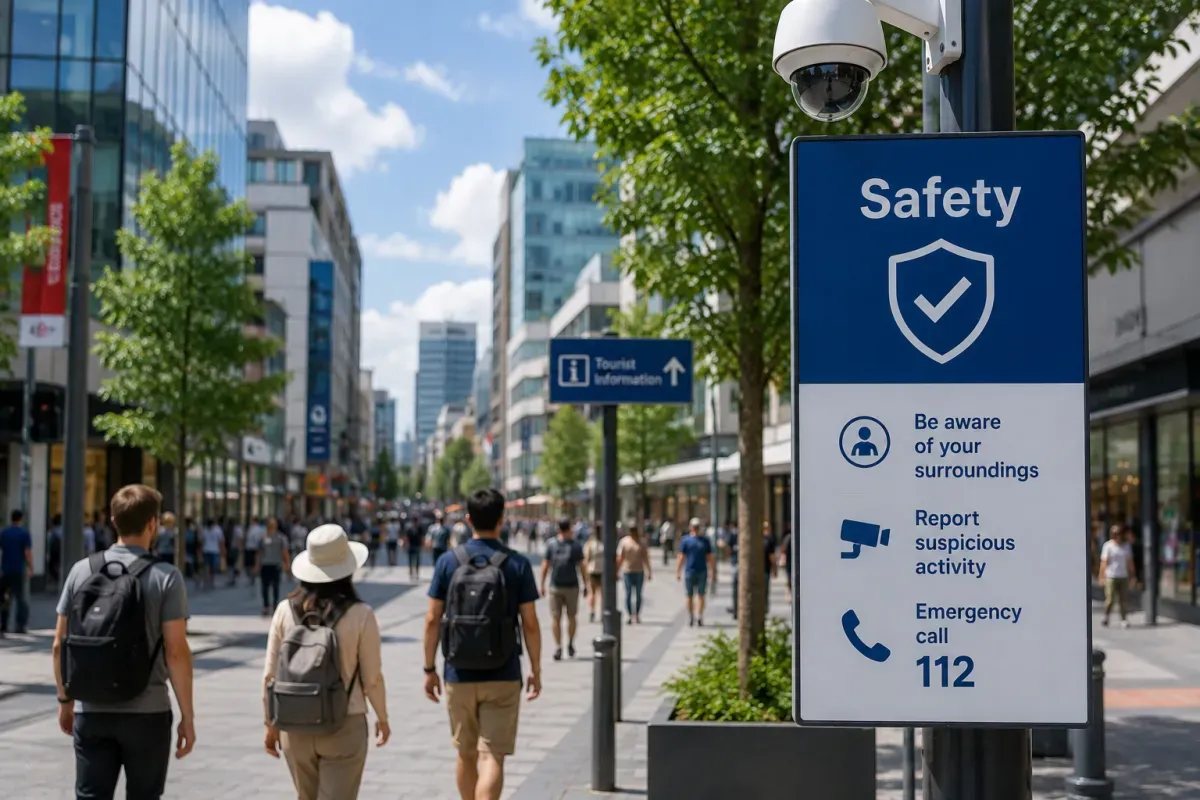
New Zealand is one of the safest countries in the world, with low crime, friendly locals and an efficient, English-speaking system. Most visits are trouble-free. The bigger risks are natural rather than criminal: earthquakes, volcanic zones and fast-changing weather in the outdoors. Take normal precautions in cities and respect nature when hiking or driving.
- Overall
- Very safe
- Main risks
- Nature, weather
- Emergency
- 111
- Violent crime against visitors is rare
- Outdoor weather changes fast; prepare well
Danger Zones & Areas to Avoid
Regions with poor security or restricted access
There are no no-go zones for tourists in New Zealand. Cities are safe with normal awareness; the practical hazards are in nature. Volcanic and geothermal areas such as Rotorua and Tongariro, alpine tracks and remote coasts demand respect. Stick to marked paths, heed closure signs and check conditions before heading into the backcountry.
- Cities
- Generally safe
- Nature
- Respect hazards
- Tracks
- Stay marked
- No off-limits areas for visitors
- Follow closure signs in geothermal and alpine zones
Natural Disaster Risks
Earthquakes, typhoons, floods, and other hazards
New Zealand sits on active fault lines and a volcanic belt, so earthquakes and volcanic activity are real hazards. Volcanic zones around Rotorua, Taupo and White Island can be dangerous. In the mountains and on coasts, weather changes fast and tsunami risk follows strong quakes. Know the drill: Drop, Cover, Hold, and move to high ground after long or strong shaking.
- Quakes
- Active faults
- Volcanoes
- Rotorua, Taupo
- Info
- GeoNet
- In a quake: Drop, Cover, Hold
- After strong shaking near coast, move to high ground
Health & Disease Risks
Endemic diseases and hygiene concerns
Health standards are high and tap water is safe to drink. There are no dangerous tropical diseases. The main concerns are practical: strong UV and sunburn even on cool days, cold and sudden weather in the mountains, and safe conduct around water and hiking. Bring any personal medication and consider travel health insurance.
- Tap water
- Safe to drink
- Sun
- Very strong UV
- Info
- CDC
- No dangerous tropical diseases
- Sunburn risk is high; use strong sun protection
Crime & Scam Trends
Common crimes and scams targeting tourists
Crime against tourists is low and violent crime is rare. The most common problem is theft from vehicles at trailheads, scenic stops and campervan parks. Never leave valuables in a parked car, even out of sight. Standard online and accommodation booking scams exist as elsewhere, so use trusted sites and keep an eye on belongings in busy spots.
- Level
- Low crime
- Main issue
- Car break-ins
- Tip
- Hide nothing valuable
- Do not leave valuables in parked cars
- Use trusted booking sites to avoid scams
Political Situation & Protests
Political instability and potential demonstrations
New Zealand is a stable parliamentary democracy with a peaceful political climate. There is no meaningful unrest affecting travellers, and demonstrations, when they occur, are peaceful and rare. Normal courtesy toward Maori culture and protected sites is appreciated. Travel is unaffected by politics; simply follow local laws and official guidance.
- Stability
- Very stable
- Unrest
- None notable
- Culture
- Respect Maori sites
- Stable democracy, peaceful climate
- Respect Maori culture and protected sites
Local Laws & Prohibitions
Important local laws and penalties for travelers
Laws are clear and enforced. Drink-driving limits are strict and penalties tough. Drugs are illegal. Smoking is banned in many public places and vaping rules apply. Freedom camping is only allowed in designated areas, with fines for breaches. Respect conservation rules and Maori sacred sites, and always follow signage in national parks.
- Drink-drive
- Strict limits
- Camping
- Designated only
- Drugs
- Illegal
- Freedom camping only in designated areas
- Respect conservation and sacred sites
Emergency Contacts
Police, ambulance, and fire department numbers
The single emergency number is 111 for police, fire and ambulance. Operators speak English and can arrange interpreters. For non-urgent police matters call 105. In the backcountry, carry a personal locator beacon (PLB) where mobile coverage is patchy. Save your accommodation address and any tour operator numbers before heading out.
- Emergency
- 111
- Non-urgent
- Police 105
- Remote
- Carry a PLB
- 111 covers police, fire and ambulance
- Use a PLB where mobile coverage is patchy
Embassy & Consulate Info
Location and contact details of your embassy
No embassy or consulate information is available for your selected nationality in this country.
Travel Insurance
Recommended coverage and tips for choosing a policy
Comprehensive travel insurance is strongly recommended. Public healthcare is good but visitors usually pay for treatment, and medical or rescue costs in remote areas can be high. New Zealand's ACC scheme may cover some accident costs but not everything, so do not rely on it. Choose a policy that covers adventure activities like hiking, skiing and water sports.
- Insurance
- Strongly advised
- Cover
- Adventure sports
- Note
- ACC is limited
- Ensure cover for hiking, skiing, water sports
- Do not rely on ACC to cover everything