Entry Procedures
Visa and entry requirements depend on the country that issued your passport. The information here is general guidance. Always confirm the requirements for your own nationality with the official source.
This information is for general guidance only. Please verify with the embassy or official government sources before traveling.
Visa Requirements
Types of visas required and their conditions
Portugal is part of the Schengen Area, so many nationalities can visit visa-free for short tourist stays of up to 90 days in any 180-day period. Rules depend on your nationality, and the EU plans to introduce ETIAS pre-authorisation in future. Always confirm the current entry conditions for your passport with an official source before you travel.
- Area
- Schengen
- Short stay
- Often 90/180 days
- Check
- By nationality
- ETIAS pre-authorisation is planned for the future
- Confirm your own entry rules officially before travel
Passport Conditions
Required validity period and blank pages
For Schengen entry, many non-EU passports must be valid for at least three months beyond your planned departure and issued within the previous ten years. Requirements vary by nationality, so check the exact validity and blank-page rules for your passport with an official source before you travel.
- Validity
- Often 3 months+
- Issued
- Within 10 years
- Check
- By nationality
- Rules differ by passport and nationality
- Confirm validity and blank pages officially
Required Documents & Pre-registration
Arrival cards, health declarations, and other preparations
At the border you may be asked to show proof of your onward or return travel, accommodation bookings and sufficient funds for your stay, plus travel insurance. Have these ready digitally or on paper. Exact requirements depend on your nationality, so verify what applies to you before travelling.
- Show
- Return + stay proof
- Funds
- Enough for trip
- Insurance
- Recommended
- Keep bookings and funds proof accessible
- Requirements depend on nationality
Cash Import Limits
Declaration-free limits and procedures for excess amounts
When entering or leaving the EU from outside it, you must declare cash of 10,000 euros or more (or the equivalent in other currencies). Travel within the Schengen Area has no routine cash checks. Keep proof of the source of large sums, and declare when required to avoid fines or seizure.
- Declare
- EUR 10,000+
- Applies
- Entering/leaving EU
- Within EU
- No routine check
- Undeclared cash can be fined or seized
- Keep proof of source for large sums
Duty-Free Allowances & Restricted Items
Limits on tobacco, alcohol, food, and other goods
Arriving from outside the EU, travellers have duty-free allowances for a limited amount of tobacco, alcohol and other goods; exceeding them means declaring and paying duty. Goods brought between EU countries for personal use are generally unrestricted. Check the current allowances before you travel if you plan to shop.
- From outside EU
- Duty-free limits
- Within EU
- Personal use free
- Over limit
- Declare and pay
- Tobacco and alcohol have set allowances
- Declare goods above the limits
Prohibited Items
Items that are strictly forbidden from import
Prohibited and restricted items follow EU rules: illegal drugs, weapons, counterfeit goods and many animal and plant products are banned or controlled. Meat and dairy from outside the EU are generally not allowed. Protected wildlife souvenirs need CITES permits. Check the rules for anything unusual before packing it.
- Banned
- Drugs, weapons
- Restricted
- Meat, dairy, plants
- Wildlife
- CITES rules
- Non-EU meat and dairy are generally not allowed
- Protected species souvenirs need permits
Medication Import Rules
Rules for bringing prescription and over-the-counter drugs
Bring prescription medicines in their original packaging with a copy of the prescription or a doctor's letter, ideally naming the generic drug. Some controlled substances need documentation and may be limited to a set number of days' supply. If unsure about a specific medicine, check with the Portuguese medicines authority before travelling.
- Carry
- Original packs
- Bring
- Prescription copy
- Controlled
- Needs papers
- Keep medicines in original labelled packaging
- Controlled drugs may have day-supply limits
Vaccinations & Health Requirements
Required and recommended vaccines for entry
No special vaccinations are required to enter Portugal for most travellers. Health authorities suggest keeping routine vaccines up to date, and some travellers consider hepatitis A depending on plans. There is no yellow fever requirement unless arriving from a risk country. Check the latest advice for your situation before you go.
- Required
- None special
- Routine
- Keep up to date
- Yellow fever
- Not required
- Keep routine vaccinations current
- Check personalised advice before travel
Immigration Process
Step-by-step guide from arrival to clearing immigration
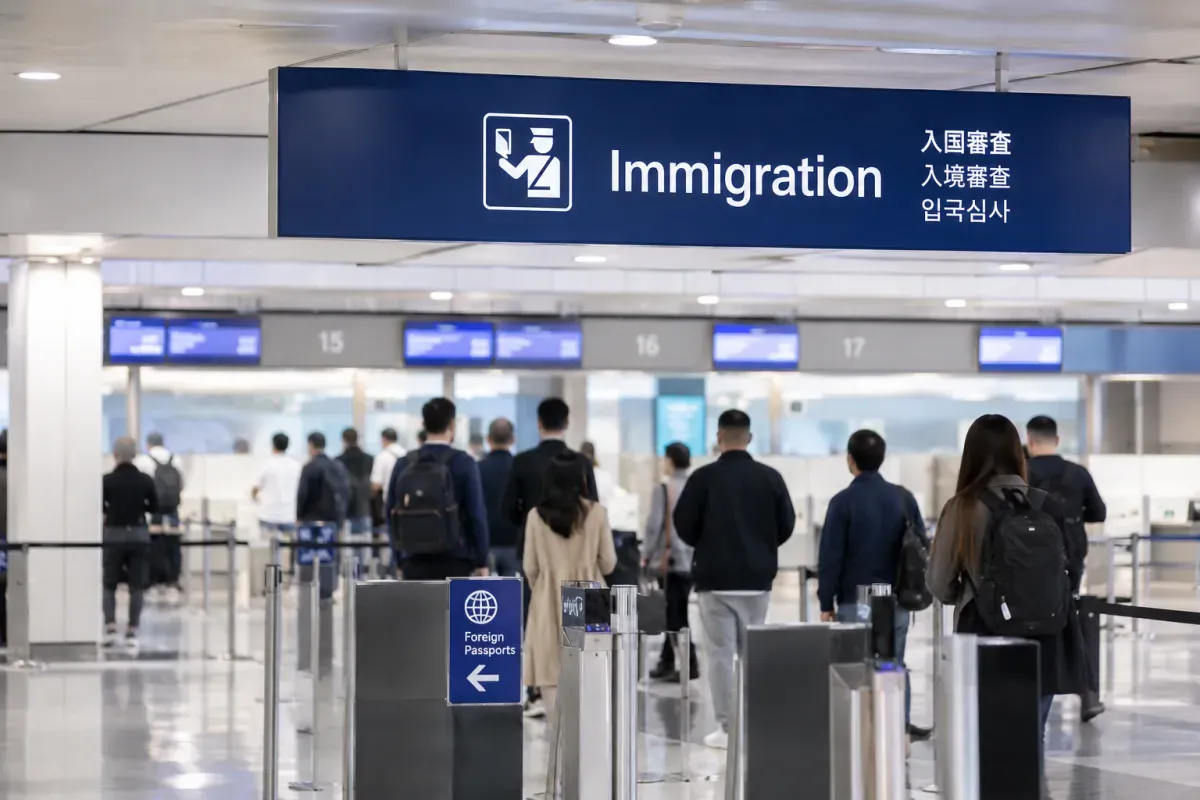
At Portuguese airports, EU/EEA citizens use e-gates or EU lanes, while others go through a passport check and may be asked about the purpose and length of their stay. Have your onward ticket and accommodation details ready. Lines can be long in summer, so allow time. Keep your passport stamp if you are a non-EU visitor.
- EU/EEA
- E-gates or EU lane
- Others
- Passport check
- Summer
- Allow time
- Have onward ticket and address ready
- Non-EU travellers should keep the entry stamp
Tips for Smooth Entry
Practical advice for a hassle-free arrival
Arrival is straightforward: many people speak English, card payment is widespread, and public transport is easy in cities. Save 112 for emergencies, keep digital copies of your documents, and download a transport card app or ticket in advance. A little Portuguese, like obrigado for thank you, is warmly received.
- English
- Widely spoken
- Payment
- Cards common
- Emergency
- 112
- Keep digital copies of your documents
- A few Portuguese words go a long way