
Travel Advisory
Please check your government's official travel advisory before departure. Situations can change rapidly.
Safety Level
Official risk level and travel advisories
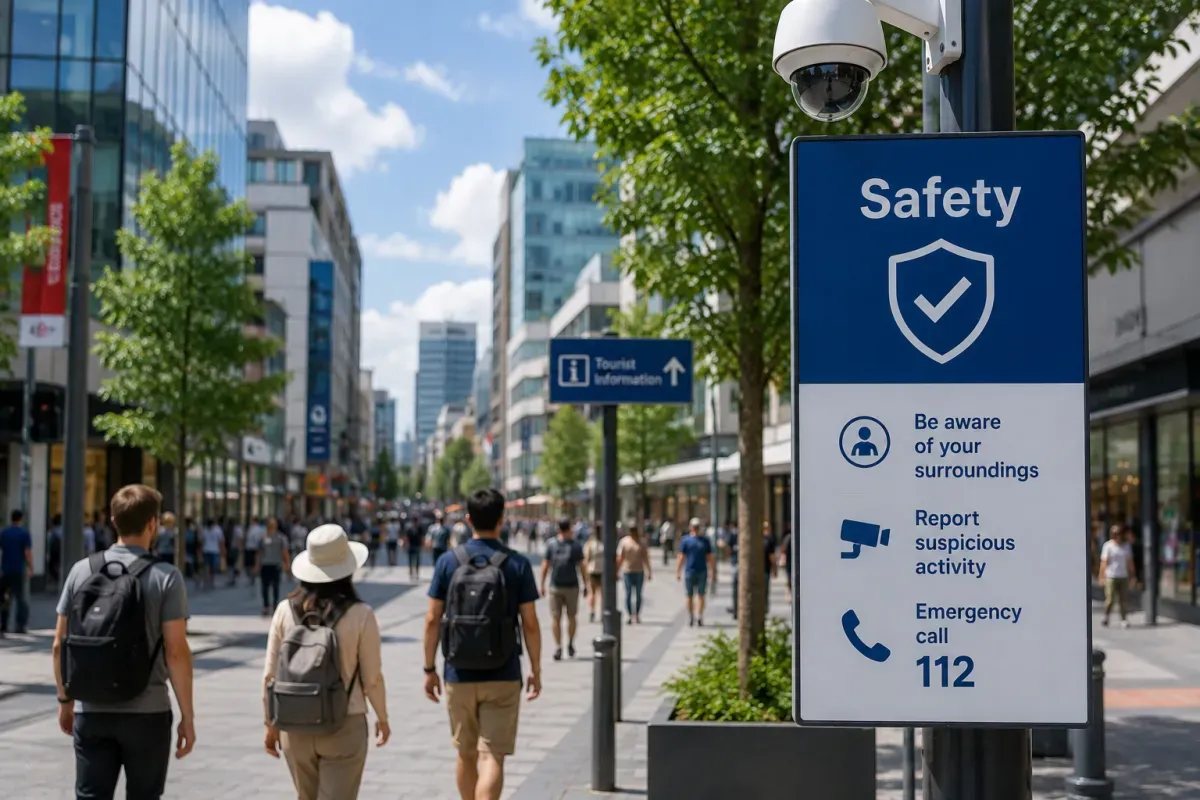
Portugal is one of Europe's safest and most welcoming destinations, with low violent crime and friendly locals. Most visits are trouble-free; the main day-to-day risk is pickpocketing in busy tourist spots such as Lisbon's tram 28 and crowded stations. Stay aware in crowds, and note the summer heat and inland wildfire risk.
- Overall
- Very safe
- Main risks
- Pickpockets, summer heat
- Emergency
- 112
- Violent crime against visitors is rare
- Pickpocketing peaks on tram 28 and in tourist crowds
Danger Zones & Areas to Avoid
Regions with poor security or restricted access
There are no no-go zones for tourists in Portugal. Busy areas such as Lisbon's Baixa, Alfama and tram routes, plus Porto's Ribeira, simply call for normal awareness of pickpockets. Atlantic beaches can have strong waves and currents, so swim only where lifeguards and flags allow.
- City
- Generally safe
- Tourist spots
- Watch belongings
- Beaches
- Heed flags
- No off-limits areas for visitors
- Atlantic surf can be strong; follow lifeguard flags
Natural Disaster Risks
Earthquakes, typhoons, floods, and other hazards
Portugal's main seasonal hazard is summer heat and wildfires, especially in inland and central regions from roughly June to September. Heatwaves can be intense, and fires may close roads. Follow official warnings from the weather service, avoid rural areas during red fire-risk days, and stay hydrated in the heat.
- Season
- Summer wildfires
- Watch
- Heatwaves, fire risk
- Source
- IPMA weather
- Wildfires can close inland roads in summer
- Heed red fire-risk warnings in rural areas
Health & Disease Risks
Endemic diseases and hygiene concerns
Portugal has good healthcare and no unusual health risks for most travellers. Tap water is safe to drink across the country. The main practical concerns are summer heat and strong sun, so use sunscreen and stay hydrated. Carry a European Health Insurance Card or travel insurance for any treatment.
- Tap water
- Safe to drink
- Care
- Good quality
- Watch
- Sun and heat
- No routine vaccines beyond standard ones
- Bring EHIC/GHIC or travel insurance for treatment
Crime & Scam Trends
Common crimes and scams targeting tourists
The most common problem is pickpocketing and bag-snatching in tourist crowds, notably on Lisbon's tram 28, in Baixa and around busy stations. Street sellers may push counterfeit goods or drugs. Keep valuables secure and out of back pockets, stay alert when boarding crowded transport, and be wary of distraction tricks.
- Main risk
- Pickpocketing
- Hotspot
- Tram 28, Baixa
- Tip
- Guard valuables
- Pickpockets target crowded trams and stations
- Ignore street offers of fake goods or drugs
Political Situation & Protests
Political instability and potential demonstrations
Portugal is a stable EU democracy and a very safe destination politically. Demonstrations are peaceful and infrequent and rarely affect tourists. As anywhere, avoid any large gatherings if they occur and follow local news. There is no meaningful political risk for ordinary travel.
- Stability
- Very stable
- Protests
- Rare, peaceful
- Advice
- Avoid crowds
- Stable EU member with peaceful politics
- No meaningful political risk for tourists
Local Laws & Prohibitions
Important local laws and penalties for travelers
Portuguese laws are similar to the rest of the EU. Carry ID, respect no-smoking rules indoors, and note that while personal drug possession is decriminalised it is not legal and can lead to fines or referral. Public drunkenness and drinking in some restricted zones are discouraged. Dress modestly when visiting churches.
- ID
- Carry it
- Drugs
- Not legal
- Churches
- Dress modestly
- Drug possession is decriminalised, not legalised
- Respect indoor smoking bans and church dress codes
Emergency Contacts
Police, ambulance, and fire department numbers
Portugal uses the single European emergency number 112 for police, fire and ambulance, with operators who often speak English. Save it in your phone on arrival. For non-emergency health advice you can also reach the SNS 24 line. Keep your accommodation address and travel insurance details handy.
- All emergencies
- 112
- Health line
- SNS 24
- English
- Often available
- 112 covers police, fire and ambulance
- Keep insurance and address details ready
Embassy & Consulate Info
Location and contact details of your embassy
No embassy or consulate information is available for your selected nationality in this country.
Travel Insurance
Recommended coverage and tips for choosing a policy
Travel insurance with medical cover is strongly recommended, even though Portugal's public system is good. EU/EHIC or GHIC holders get access to state care but not repatriation or private treatment, so insurance fills the gaps. Make sure your policy covers activities like surfing, hiking and driving.
- Insurance
- Recommended
- EHIC/GHIC
- State care only
- Check
- Activities covered
- EHIC/GHIC does not cover repatriation
- Confirm cover for surfing, hiking and driving