
Entry Procedures
Visa and entry requirements depend on the country that issued your passport. The information here is general guidance. Always confirm the requirements for your own nationality with the official source.
This information is for general guidance only. Please verify with the embassy or official government sources before traveling.
Visa Requirements
Types of visas required and their conditions
Serbia is a Balkan country outside the EU and the Schengen Area. Many nationalities, including Japanese, EU and US citizens, can enter visa-free for tourist stays of up to 90 days within a 180-day period. Requirements depend on your nationality and can change, so check the official Serbian Ministry of Foreign Affairs sources and your embassy before you travel.
- Status
- Non-EU / non-Schengen
- Short stay
- Up to 90/180 days
- Check
- Official sources
- Visa-free entry for many nationalities depends on your passport
- Rules can change; confirm with official Serbian sources before travel
Passport Conditions
Required validity period and blank pages
Your passport should be valid for the entire duration of your stay in Serbia; many travellers keep at least a few months of validity to be safe. Make sure the passport is in good condition and has blank pages for the entry stamp. Check the exact validity requirement for your nationality before you travel.
- Validity
- Covers your stay
- Condition
- Undamaged
- Pages
- Blank for stamp
- Keep a few months of validity to be safe
- Ensure blank pages for the entry stamp
Required Documents & Pre-registration
Arrival cards, health declarations, and other preparations
Besides your passport, at the border you may be asked for proof of accommodation, a return or onward ticket, and evidence of sufficient funds. Note that foreign visitors must be registered with the police (a "white card"): hotels and most accommodation do this for you, but if you stay in a private rental or with friends you may need to register yourself within 24 hours. Keep the registration slip until departure.
- Stay
- Accommodation proof
- Ticket
- Return/onward
- Registration
- White card
- Hotels usually register your stay automatically
- For private stays, register yourself and keep the slip
Cash Import Limits
Declaration-free limits and procedures for excess amounts
If you enter or leave Serbia carrying cash equivalent to EUR 10,000 or more (in any currency, including dinars, or in bearer instruments), you must declare it to customs on a written form. Keep the stamped declaration, as it can help you take the money out again. Failure to declare can lead to fines or seizure, so complete a cash declaration when required.
- Threshold
- EUR 10,000+ equivalent
- When
- Entering/leaving Serbia
- Action
- Declare to customs
- Applies to cash and equivalent bearer instruments
- Keep the stamped form; non-declaration may mean fines or seizure
Duty-Free Allowances & Restricted Items
Limits on tobacco, alcohol, food, and other goods
Travellers may bring in a limited amount of alcohol and tobacco duty-free for personal use, along with personal belongings and gifts up to a set value. There are restrictions on bringing in food, plant and animal products, especially meat and dairy. Higher-value goods should be declared. Check current allowances with Serbian Customs before you travel.
- Alcohol/tobacco
- Duty-free limits
- Food/plants
- Restricted
- High value
- Declare
- Personal allowances apply to alcohol, tobacco and gifts
- Meat, dairy and some plant products face import limits
Prohibited Items
Items that are strictly forbidden from import
Illegal drugs are strictly prohibited and penalties are severe. Weapons and ammunition are restricted and require permits. There are also controls on products from protected species under CITES (such as ivory and certain skins) and on some cultural goods and antiquities. Check Serbian Customs rules and obtain any required permits before you travel.
- Drugs
- Prohibited
- Weapons
- Restricted
- CITES
- Protected species
- Weapons and ammunition need permits
- Protected species products and antiquities are controlled
Medication Import Rules
Rules for bringing prescription and over-the-counter drugs
Bring enough of your prescription medicines for your trip, ideally in their original packaging with the prescription or a copy. For controlled or strong medicines it is best to carry a doctor’s note explaining your need, and only bring quantities for personal use. If you rely on specific medication, check its status with Serbian authorities before you travel.
- Prescription
- Carry a copy
- Controlled
- Doctor’s note
- Amount
- Personal use only
- Keep medicines in original packaging with documentation
- Carry a doctor’s note for controlled or strong medicines
Vaccinations & Health Requirements
Required and recommended vaccines for entry
No special vaccinations are required to enter Serbia for most travellers. It is recommended that your routine vaccinations are up to date, such as measles-mumps-rubella (MMR), diphtheria-tetanus-polio and others per your home country schedule. Depending on your plans, a travel clinic may suggest hepatitis or tick-borne encephalitis cover. Check with your doctor well before departure.
- Required
- None special
- Routine
- Keep up to date
- Advice
- See your doctor
- Ensure MMR and other routine vaccines are current
- Consult a travel clinic for personalised recommendations
Immigration Process
Step-by-step guide from arrival to clearing immigration
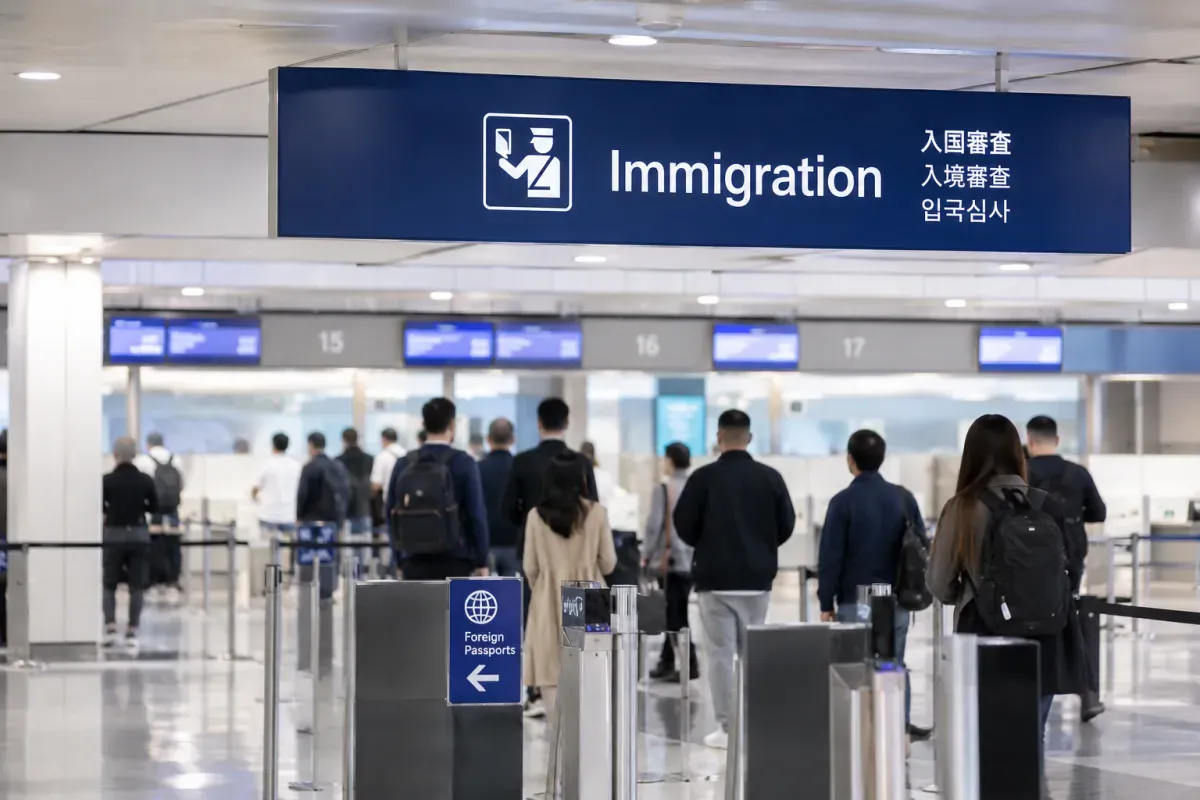
Belgrade Nikola Tesla Airport (BEG) is the main gateway to Serbia. At immigration, have your passport and any supporting documents ready; officers may ask about your accommodation and length of stay, and your passport is stamped on entry. Note that entering Serbia via Kosovo may be regarded by Serbia as irregular entry and can cause problems on departure. This is a sensitive area, so check the latest official guidance from your foreign ministry before travelling.
- Main gateway
- Belgrade (BEG)
- At entry
- Passport stamped
- Kosovo route
- Check official guidance
- Have accommodation and onward travel details ready
- Entry via Kosovo may be treated as irregular; verify official advice
Tips for Smooth Entry
Practical advice for a hassle-free arrival
Carry your passport or a copy while travelling, and keep your accommodation registration slip until departure. Cash in dinars is handy outside big cities, though cards are widely accepted in Belgrade and Novi Sad. Serbia is generally welcoming and affordable; a little Serbian and using the Latin or Cyrillic script signs both help. Check the latest official travel advice before you go.
- Carry
- Passport + registration
- Cash
- Handy outside cities
- Check
- Latest travel advice
- Keep the accommodation registration slip until you leave
- Both Latin and Cyrillic scripts are used on signs