
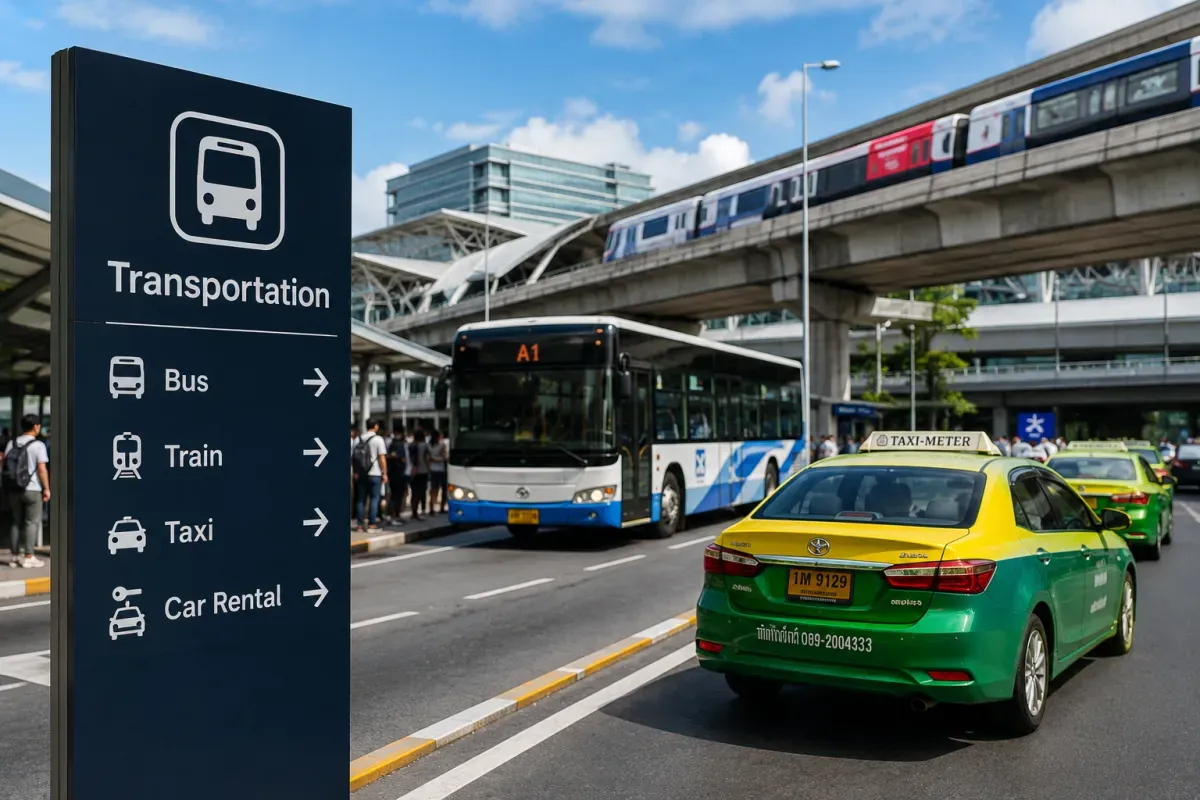
Transportation
Schedules and fares are subject to change.
Airport to City Access
Train, bus, taxi, and other options to the city center
Options vary by city. Some airports have rail links (e.g. JFK AirTrain to the subway/LIRR, SFO BART, Chicago O'Hare CTA), while others rely on shuttles, buses or ride apps. Uber and Lyft have designated pickup zones. Confirm the transfer for your specific airport before you land.
- Rail links
- JFK, SFO, O'Hare, etc.
- Ride apps
- Designated pickup zones
- Varies
- Check your airport
- Taxis from airports may have flat rates to downtown
Public Transportation
Metro, bus, tram, and how to use them
Public transport quality varies hugely. New York, Chicago, Washington, Boston and San Francisco have good subways/metros and buses, but most US cities are car-oriented with limited transit. Outside big cities, expect to rely on ride apps or a rental car.
- Good transit
- NYC, Chicago, DC, SF
- Elsewhere
- Car-oriented, limited
- Fallback
- Ride apps / rental car
- Check the local transit app before relying on buses/trains
IC Cards & Travel Passes
Discount passes and rechargeable transit cards
There is no national transit card; each city has its own. Examples: OMNY/MetroCard in New York, Clipper in San Francisco, Ventra in Chicago, SmarTrip in Washington. Many now accept contactless bank cards or phone wallets directly at the gate, so you may not need a local card at all.
- No national card
- City-by-city systems
- Examples
- OMNY, Clipper, Ventra
- Contactless
- Tap bank card in many cities
- Try tapping your contactless card before buying a local card
Car Rental & Driving
License requirements and traffic rules
A rental car is often essential outside big cities and for road trips (national parks, coasts). The USA drives on the right. Most renters must be 25+ (under-25 pays a surcharge), need a credit card and a valid licence (an International Driving Permit helps if yours is not in English). Rules and speed limits vary by state.
- Drive on
- The right
- Age
- Usually 25+ (surcharge under 25)
- Bring
- Credit card + licence/IDP
- Toll roads often use cashless plates — ask about a transponder
Intercity Travel
Long-distance buses, trains, and ferries
For long distances, flying is usually the practical choice given the size of the country. Amtrak trains are scenic and useful on the Northeast Corridor (Boston–New York–Washington) but limited and slow elsewhere. Long-distance buses (Greyhound, FlixBus) are the budget option.
- Long distance
- Flying is practical
- Amtrak
- Best on NE Corridor
- Budget
- Greyhound, FlixBus
- Rail is not a fast nationwide network like Europe or Japan
Domestic Flights
Budget airlines and booking tips
Domestic flights are extensive and often the best way to cross the country, with major hubs and airlines like American, Delta, United and Southwest. Allow time for TSA security screening (liquids and laptop rules apply), and arrive early at busy airports. Budget carriers charge extra for bags and seats.
- Airlines
- American, Delta, United, Southwest
- Security
- TSA screening; arrive early
- Budget
- Extra fees for bags/seats
- Domestic flights need photo ID; international rules differ
Transportation Tips
Advice for safe and efficient travel
Distances are huge, so plan flights or long drives between regions and don't underestimate travel times. Traffic is heavy in big cities; use transit or ride apps downtown. Tip taxi and rideshare drivers ~15–20%. In parks and remote areas, fuel up early and expect weak phone signal.
- Distances
- Plan flights/long drives
- Cities
- Transit/ride apps downtown
- Tip
- Drivers ~15–20%
- Carry water and fuel up in remote areas and national parks