
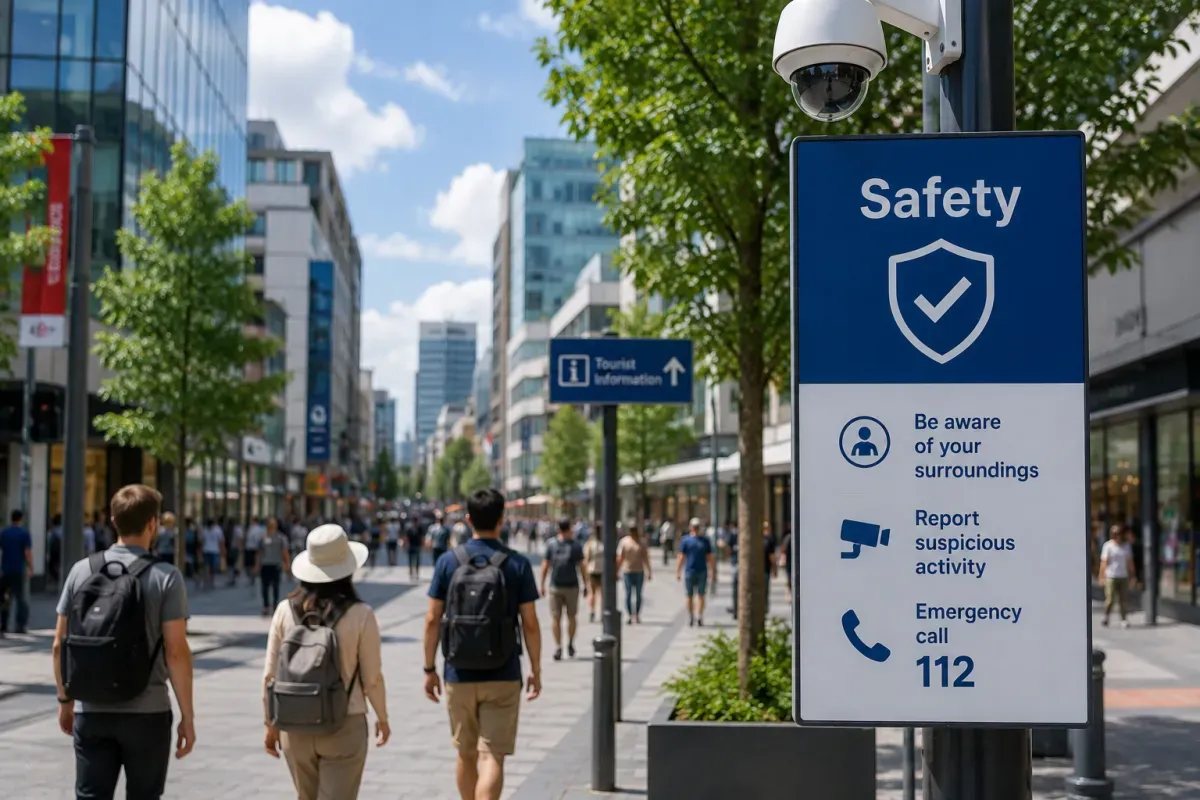
Travel Advisory
Please check your government's official travel advisory before departure. Situations can change rapidly.
Safety Level
Official risk level and travel advisories
Canada is very safe for visitors, with low violent crime and modern, well-run cities like Toronto, Vancouver and Montreal. The main things to plan for are the weather (bitter cold and snow in winter, wildfire smoke in some summers) and wildlife in national parks. Take normal precautions with belongings in busy areas.
- Overall
- Very safe
- Plan for
- Weather, wildlife
- Emergency
- Call 911
- Plan for cold winters, summer wildfire smoke and park wildlife
Danger Zones & Areas to Avoid
Regions with poor security or restricted access
There are no no-go zones for tourists. Cities are generally safe, though a few downtown areas in some cities have visible issues with homelessness or drug use — use normal city awareness at night. In national parks and the wilderness, the real hazards are weather, terrain and wildlife rather than crime. Check park and trail advisories.
- Cities
- Generally safe
- Some downtowns
- Normal awareness
- Wilderness
- Weather/wildlife
- In the wilderness, weather and wildlife are the real hazards
Natural Disaster Risks
Earthquakes, typhoons, floods, and other hazards
Canada's biggest natural challenges are extreme cold, snow and ice storms in winter (dangerous windchills, travel disruption) and wildfires with smoke in summer, mainly in the west. Coastal BC has some earthquake risk. Check Environment Canada forecasts, dress properly for winter, and monitor air-quality and wildfire alerts in summer.
- Winter
- Extreme cold, snow
- Summer
- Wildfires, smoke
- Check
- Environment Canada
- Dress properly for winter windchills; monitor summer air quality
Health & Disease Risks
Endemic diseases and hygiene concerns
Health care is excellent but expensive for visitors, so travel insurance is essential — a hospital visit can be very costly. Tap water is safe to drink. There are no major tropical diseases. Practical risks are cold-weather injuries (frostbite, hypothermia) in winter, sun and insects (ticks) in summer hiking, and altitude in the Rockies. See a travel clinic if unsure.
- Care
- Excellent, costly
- Insurance
- Essential
- Water
- Safe to drink
- A hospital visit can be very costly — travel insurance is essential
Crime & Scam Trends
Common crimes and scams targeting tourists
Violent crime against tourists is rare. The main risks are opportunistic theft — do not leave valuables visible in parked cars (car break-ins happen at trailheads and tourist spots) and watch bags in busy transit. Online and phone scams (fake tax or immigration calls) target visitors too. Lock rental cars and keep valuables with you.
- Main risk
- Theft from cars
- Watch
- Phone/online scams
- Cars
- Hide valuables
- Do not leave valuables in parked cars at trailheads
Political Situation & Protests
Political instability and potential demonstrations
Canada is a stable democracy and daily life is calm for visitors. Peaceful demonstrations occasionally occur in cities and can affect traffic, but rarely impact tourists. There are no travel restrictions related to political unrest. Follow local news for any large events, and you will find Canada welcoming and orderly throughout your stay.
- Situation
- Stable, calm
- Protests
- Rare impact
- Follow
- Local news
- Occasional demonstrations may affect city traffic
Local Laws & Prohibitions
Important local laws and penalties for travelers
Recreational cannabis is legal for adults in Canada but rules vary by province and it is illegal to take it across the border in or out — do not carry cannabis when flying home. Alcohol laws and legal drinking age (18 or 19) differ by province, and public drinking is restricted. Smoking is banned in many indoor and some outdoor areas. Carry ID and respect local rules.
- Cannabis
- Legal, no border
- Alcohol age
- 18/19 by province
- ID
- Carry it
- Never carry cannabis across the border, even when flying home
Emergency Contacts
Police, ambulance, and fire department numbers
The nationwide emergency number is 911 for police, ambulance and fire. Operators speak English (and French in Quebec and other areas) and response is efficient. For non-emergencies, 311 covers city services in many places. In the wilderness, note that mobile coverage can be limited, so plan ahead. Save your embassy contact and travel insurer's number.
- Emergency
- 911
- City info
- 311 (many areas)
- Wilderness
- Limited signal
- 911 covers police, ambulance and fire nationwide
Embassy & Consulate Info
Location and contact details of your embassy
No embassy or consulate information is available for your selected nationality in this country.
Travel Insurance
Recommended coverage and tips for choosing a policy
Comprehensive travel insurance is essential, as healthcare for visitors is not free and costs can be very high. Make sure your policy has strong medical and emergency evacuation cover, and includes activities you plan — skiing/snowboarding in winter, hiking, kayaking or driving long distances. Also consider cover for weather-related delays and cancellations.
- Insurance
- Essential
- Cover
- Medical + activities
- Add
- Weather delays
- Include winter sports and hiking cover in your policy