Entry Procedures
Visa and entry requirements depend on the country that issued your passport. The information here is general guidance. Always confirm the requirements for your own nationality with the official source.
This information is for general guidance only. Please verify with the embassy or official government sources before traveling.
Visa Requirements
Types of visas required and their conditions
Switzerland is part of the Schengen Area even though it is not an EU member. Many nationalities can visit visa-free for short tourist stays of up to 90 days in any 180-day period, but this depends on your nationality and the future ETIAS travel authorisation is planned to apply. Rules can change, so check the official Swiss authorities and your embassy before you travel.
- Area
- Schengen (non-EU)
- Short stay
- Up to 90/180 days
- Check
- Official sources
- Visa-free entry depends on your nationality
- ETIAS authorisation is planned for the future
- Confirm rules with official sources before travel
Passport Conditions
Required validity period and blank pages
For Schengen entry, your passport should be valid for at least three months beyond your planned departure and issued within the last ten years. Border officers may ask about your onward travel and accommodation. Keep your passport with you, as Switzerland can carry out identity checks. Check the exact rules for your nationality before you go.
- Validity
- 3+ months after leaving
- Issued
- Within 10 years
- Carry
- Passport on you
- Officers may ask about onward travel
- Identity checks can happen in Switzerland
Required Documents & Pre-registration
Arrival cards, health declarations, and other preparations
Besides a valid passport, be ready to show proof of onward or return travel, confirmed accommodation, and enough funds for your stay. Travel insurance covering medical costs is strongly recommended and required for some visa applicants. Keep digital and paper copies of bookings. Requirements vary by nationality, so verify the current list before travelling.
- Proof
- Return travel
- Stay
- Accommodation, funds
- Insurance
- Strongly advised
- Keep copies of bookings, digital and paper
- Some visa applicants must show insurance
Cash Import Limits
Declaration-free limits and procedures for excess amounts
Switzerland has no limit on how much cash you may bring in or out, but if you carry 10,000 Swiss francs or more (or the equivalent in other currencies), customs can ask you to provide information about it on request. Declare honestly if asked. Keep proof of the origin of large sums to avoid delays at the border.
- Threshold
- CHF 10,000+
- Action
- Info on request
- Keep
- Proof of origin
- No fixed limit but disclosure may be requested
- Keep evidence of the source of large sums
Duty-Free Allowances & Restricted Items
Limits on tobacco, alcohol, food, and other goods
As Switzerland is outside the EU customs union, there are duty-free allowances for goods you bring in, including limited amounts of alcohol, tobacco and a value threshold for other goods. There is also a daily VAT-free limit per person. Above these, declare goods and pay duties. Use the QuickZoll app to declare and pay easily; limits change, so check current figures.
- Allowances
- Alcohol, tobacco
- Value cap
- Daily VAT-free limit
- App
- QuickZoll
- Declare and pay if above the allowances
- QuickZoll app makes declaring easy
Prohibited Items
Items that are strictly forbidden from import
Prohibited or restricted items include illegal drugs, weapons and certain knives, counterfeit goods, and protected species products covered by CITES such as ivory. Many food items, especially meat and dairy from outside the EU, are restricted. Medicines for personal use are generally fine in reasonable amounts. Check the rules before packing to avoid seizure or fines.
- Banned
- Drugs, weapons
- Restricted
- Meat, dairy, CITES
- Check
- Before packing
- Counterfeits and CITES products are seized
- Meat and dairy imports are restricted
Medication Import Rules
Rules for bringing prescription and over-the-counter drugs
You can bring medicines for personal use, generally up to about a one-month supply. Keep them in original packaging with the label, and carry a doctor's prescription or letter, especially for strong painkillers or controlled substances. Some medicines that are over the counter elsewhere may be regulated in Switzerland. Check with Swissmedic if you are unsure.
- Amount
- About 1 month
- Carry
- Prescription, label
- Check
- Swissmedic
- Keep medicines in original labelled packaging
- Carry a prescription for controlled drugs
Vaccinations & Health Requirements
Required and recommended vaccines for entry
No special vaccinations are required to enter Switzerland, and no yellow fever certificate is needed for most travellers. Health authorities suggest being up to date with routine vaccines. Tick-borne encephalitis is a consideration if you plan hiking or camping in forested areas in warmer months. Check current CDC or your national travel health advice before you go.
- Required
- None special
- Routine
- Keep up to date
- Outdoors
- Consider TBE
- No entry vaccine requirements for most travellers
- Consider TBE vaccine for forest hiking
Immigration Process
Step-by-step guide from arrival to clearing immigration
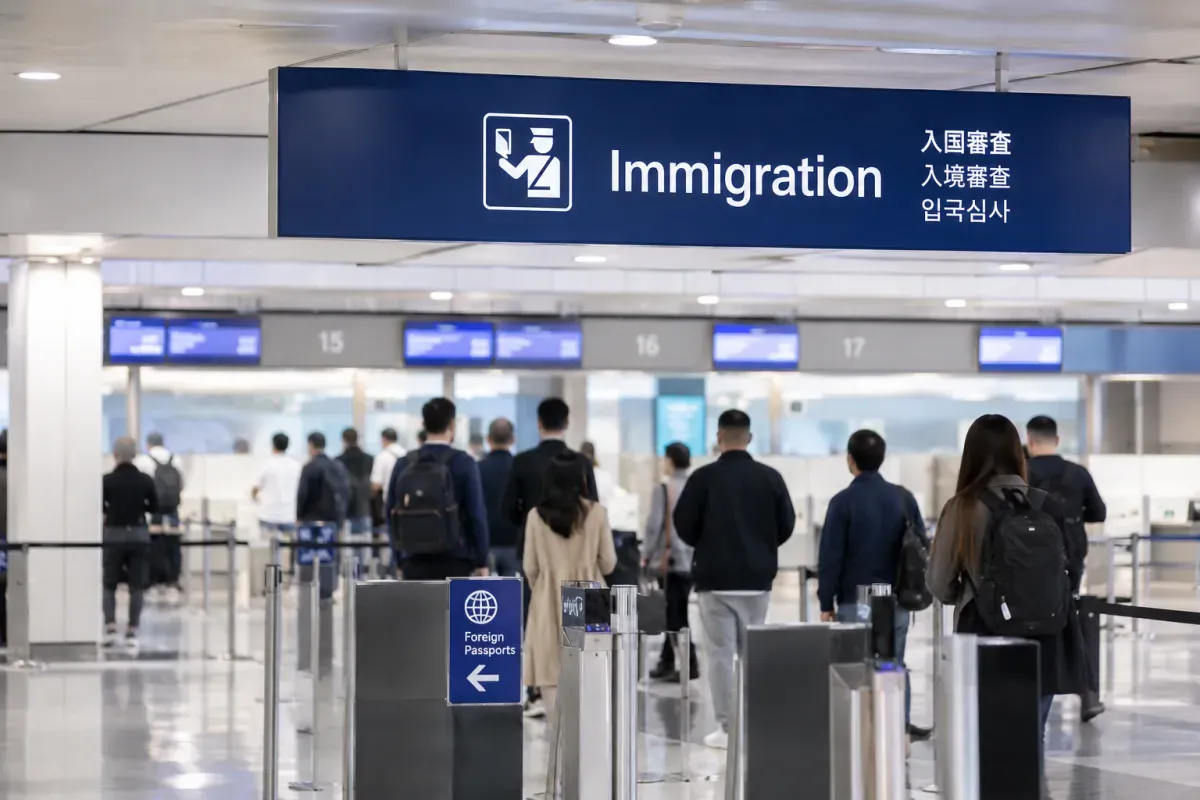
Arriving by air, you clear passport control where officers may check your documents and ask brief questions. Arriving overland from neighbouring Schengen countries, there are usually no routine checks, though spot checks can happen. Baggage may be inspected by customs. Have your passport, return ticket and accommodation details ready to keep things quick and smooth.
- By air
- Passport control
- Overland
- Spot checks
- Ready
- Passport, tickets
- Land borders usually have no routine checks
- Customs may inspect baggage
Tips for Smooth Entry
Practical advice for a hassle-free arrival
Switzerland is efficient and easy to enter, but plan for its four national languages: German, French, Italian and Romansh. Trains run to the minute, so allow time at the border and stations. Tap water is excellent and free from public fountains. Prices are high, so budget accordingly and keep some cash for small purchases even though cards are widely accepted.
- Languages
- De, Fr, It, Rm
- Water
- Safe from fountains
- Budget
- Prices are high
- Trains are punctual to the minute
- Tap water is safe and often free