Travel Advisory
Please check your government's official travel advisory before departure. Situations can change rapidly.
Safety Level
Official risk level and travel advisories
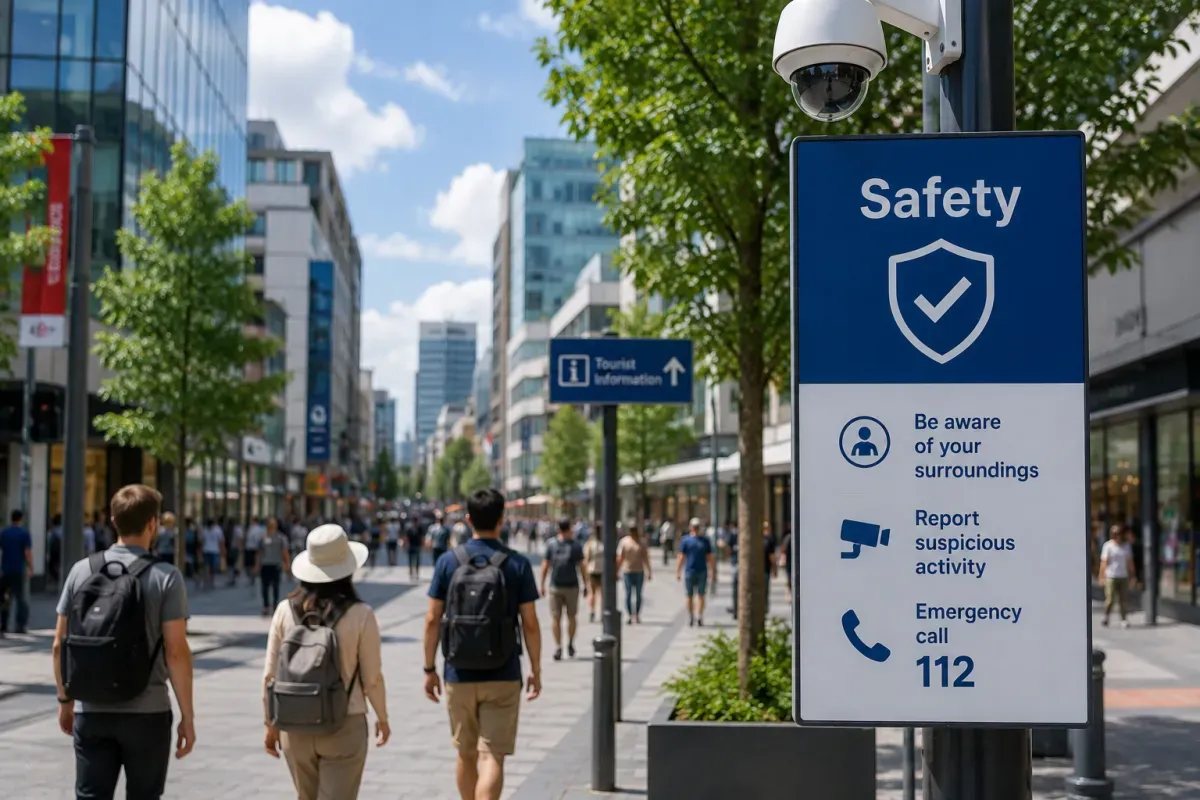
Switzerland is one of the safest countries in the world, with very low violent crime, superb infrastructure and efficient services. Most visits are completely trouble-free. The main day-to-day risks are pickpocketing in busy tourist spots and stations, and weather-related hazards in the mountains. The general emergency number is 112.
- Overall
- Very safe
- Main risks
- Pickpockets, mountains
- Emergency
- 112
- Violent crime against visitors is rare
- Take mountain weather and terrain seriously
Danger Zones & Areas to Avoid
Regions with poor security or restricted access
There are no no-go areas for tourists in Switzerland. Cities are calm; simply keep an eye on your belongings around main stations and busy tourist sights. The real hazards are outdoors: mountain trails, glaciers and high passes demand proper preparation. Check weather and avalanche bulletins, stay on marked routes, and never underestimate rapidly changing alpine conditions.
- City
- Generally safe
- Stations
- Watch belongings
- Mountains
- Prepare properly
- No off-limits areas for visitors
- Alpine terrain is the real hazard, not crime
Natural Disaster Risks
Earthquakes, typhoons, floods, and other hazards
The main hazards are alpine: avalanches in winter and spring, plus rockfall, landslides and sudden storms in the high mountains. Flash flooding can follow heavy rain in valleys. Switzerland has excellent warning systems, so check MeteoSwiss forecasts and the SLF avalanche bulletin before heading up, use guides for serious routes and turn back if conditions worsen.
- Winter
- Avalanche risk
- Mountains
- Rockfall, storms
- Check
- SLF / MeteoSwiss
- Check the SLF avalanche bulletin in winter
- Heavy rain can cause flash flooding in valleys
Health & Disease Risks
Endemic diseases and hygiene concerns
Health risks are very low. Tap water is famously clean and safe to drink, even from many public fountains, sanitation is excellent and medical care is world class. No special vaccinations are needed for most travellers. In the mountains, watch for altitude effects, sun exposure and, in forested areas in season, tick bites. Confirm advice for your situation before you travel.
- Tap water
- Very safe
- Care
- World class
- Mountains
- Altitude, ticks
- Public fountains are often safe to drink
- Watch for altitude and sun in the mountains
Crime & Scam Trends
Common crimes and scams targeting tourists
Serious crime is rare, so the main issue for tourists is pickpocketing and bag theft in crowded places: major train stations like Zurich and Geneva, busy trams and popular sights. Thieves sometimes work in teams using distraction. Keep valuables secure and out of sight, watch your bags on trains, and be wary of anyone crowding you. Report any theft to the police for your insurance.
- Main
- Pickpockets
- Where
- Stations, trams
- Tip
- Secure valuables
- Watch bags at Zurich and Geneva stations
- Report theft to police for insurance
Political Situation & Protests
Political instability and potential demonstrations
Switzerland is famously stable, neutral and prosperous, with a strong tradition of direct democracy and referendums. Political risk for travellers is negligible. Occasional peaceful demonstrations occur in cities but are well managed and rarely affect visitors. Everyday travel is completely unaffected by the political situation.
- Stability
- Very high
- Protests
- Rare, peaceful
- Impact
- None on travel
- Strong tradition of direct democracy
- Travel is unaffected by politics
Local Laws & Prohibitions
Important local laws and penalties for travelers
Switzerland is orderly and rules are taken seriously. Carry ID, respect quiet hours and recycling rules, and avoid littering, which can bring fines. Jaywalking and fare-dodging on public transport are penalised. Drug laws are strict. On trails and slopes, follow signs and closures. When unsure, follow official guidance and local signage, and be polite and punctual.
- Carry
- ID
- Fines
- Littering, fare-dodging
- Drugs
- Strict laws
- Respect quiet hours and recycling rules
- Follow signs and closures on trails and slopes
Emergency Contacts
Police, ambulance, and fire department numbers
The general emergency number 112 works from any phone. Switzerland also has direct lines: police 117, fire 118 and ambulance 144. For mountain rescue, the Rega air rescue number is 1414. Operators generally speak German, French, Italian and often English. Save your embassy and insurer contacts before you travel.
- General
- 112
- Police/Fire/Amb
- 117 / 118 / 144
- Mountain rescue
- Rega 1414
- Rega 1414 handles alpine air rescue
- Save embassy and insurer numbers in advance
Embassy & Consulate Info
Location and contact details of your embassy
No embassy or consulate information is available for your selected nationality in this country.
Travel Insurance
Recommended coverage and tips for choosing a policy
Comprehensive travel insurance is strongly recommended, as Swiss healthcare is world class but expensive, and mountain rescue can cost a great deal. Make sure your policy covers medical care, repatriation and any winter sports or hiking you plan, including helicopter rescue. EU/UK travellers should also carry a valid EHIC/GHIC, which does not fully cover Switzerland or replace insurance.
- Cover
- Medical + rescue
- Sports
- Include winter/hiking
- EHIC/GHIC
- Not enough alone
- Helicopter rescue can be very costly
- Confirm cover for winter sports and hiking