
Transportation
Schedules and fares are subject to change.
Airport to City Access
Train, bus, taxi, and other options to the city center
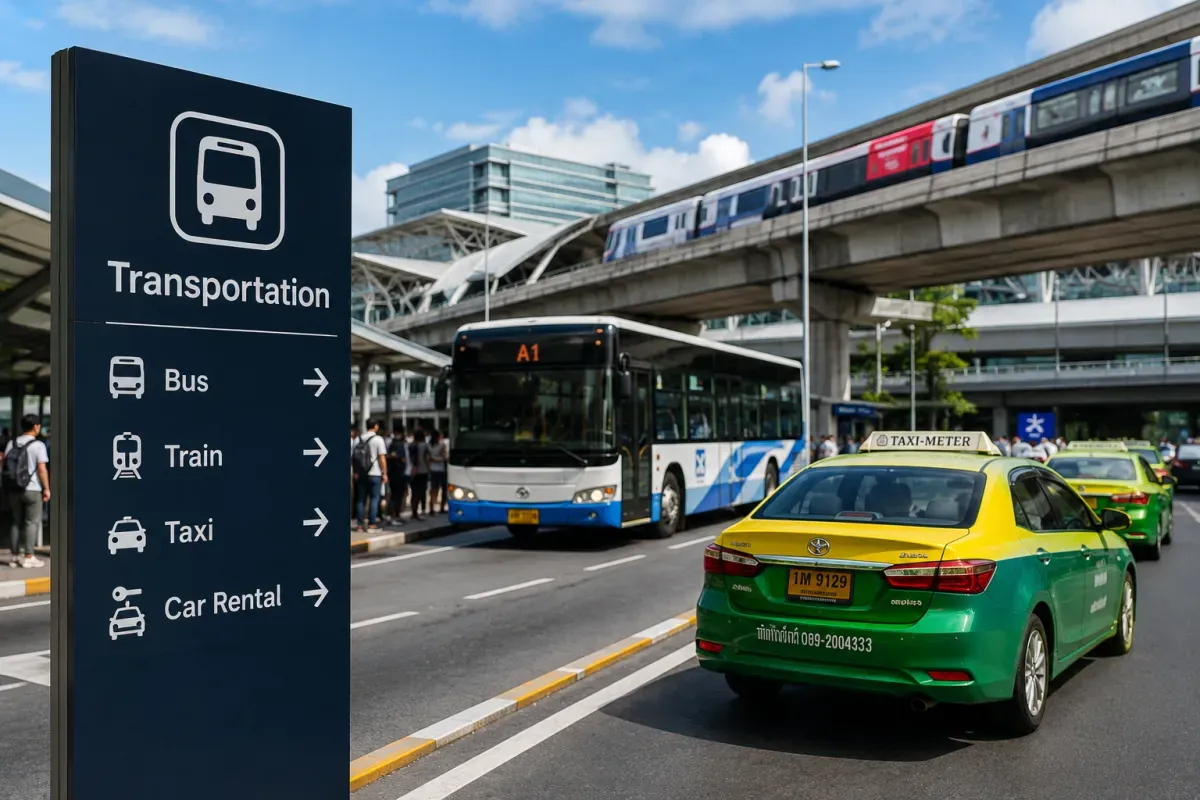
The fastest link from Hong Kong International Airport is the Airport Express train, which reaches Central in about 24 minutes with free in-town check-in and shuttle buses at Hong Kong and Kowloon stations. Cheaper options include Airport (Cityflyer "A") buses and taxis colour-coded by area. Pay with Octopus for the smoothest ride.
- Fastest
- Airport Express
- To Central
- ~24 min
- Cheaper
- A-buses
- Airport Express offers free shuttle buses and in-town check-in
- Cityflyer "A" buses are a cheaper option
Public Transportation
Metro, bus, tram, and how to use them
Hong Kong has one of the world's best public transport systems. The MTR metro is fast, clean, frequent and fully bilingual, reaching most places you will want to go. Double-decker buses, minibuses, trams on Hong Kong Island and ferries fill in the rest. An Octopus card works across all of them, making transfers effortless.
- Backbone
- MTR metro
- Also
- Buses, trams, ferries
- Pay
- Octopus everywhere
- MTR is fast, clean and fully bilingual
- Iconic trams run on Hong Kong Island
IC Cards & Travel Passes
Discount passes and rechargeable transit cards
The Octopus (八達通) card is the essential travel card, used on the MTR, buses, trams, ferries and even at convenience stores and many shops. Buy one at MTR stations or the airport, top up with cash or in the app, and just tap to ride. Tourist versions and a phone-based Octopus (via Apple Wallet or the app) are also available.
- Card
- Octopus
- Use
- Transport + shops
- Top up
- Cash or app
- Tap to ride across all transport modes
- Available as a physical card or on your phone
Car Rental & Driving
License requirements and traffic rules
Renting a car is rarely worth it for visitors to Hong Kong. Traffic drives on the left, roads are dense and congested, parking is scarce and expensive, and public transport reaches almost everywhere far more easily. If you do drive, you will usually need an International Driving Permit alongside your home licence. For most trips, skip the car.
- Advice
- Usually not worth it
- Drives on
- The left
- Parking
- Scarce, pricey
- An International Driving Permit is usually needed
- Public transport is easier for almost every trip
Intercity Travel
Long-distance buses, trains, and ferries
Because Hong Kong is compact, "intercity" usually means trips to the mainland or Macao. High-speed rail from West Kowloon connects to Guangzhou, Shenzhen and beyond, and cross-boundary buses use the Hong Kong-Zhuhai-Macao Bridge. Ferries link to Macao and mainland cities. Note that crossing to the mainland requires the appropriate mainland entry documents.
- High-speed rail
- From West Kowloon
- Bridge bus
- HK-Zhuhai-Macao
- Ferry
- Macao, mainland
- Crossing to the mainland needs mainland entry documents
- Ferries and bridge buses reach Macao easily
Domestic Flights
Budget airlines and booking tips
Hong Kong is a single compact city with one main airport, so there are no domestic flights — everything is easily reached by MTR, bus, taxi or ferry. For onward travel, Hong Kong International Airport is a major regional and long-haul hub with flights across Asia and worldwide. Ferries and high-speed rail cover nearby destinations like Macao and the mainland.
- Domestic flights
- None (city-state)
- Get around
- MTR, bus, ferry
- Airport
- Major hub
- No domestic flights; the territory is small
- HKG is a major hub for regional and long-haul flights
Transportation Tips
Advice for safe and efficient travel
Get an Octopus card first, then use the MTR as your default — it is fast and covers most of the city. Try the Star Ferry across the harbour and a tram on Hong Kong Island for the experience. Avoid rush hours on the MTR if you can, keep some cash for taxis and small shops, and check typhoon signals before day trips.
- First
- Get an Octopus
- Default
- MTR
- Try
- Star Ferry, tram
- Star Ferry and trams are cheap and scenic
- Check typhoon signals before day trips