Entry Procedures
Visa and entry requirements depend on the country that issued your passport. The information here is general guidance. Always confirm the requirements for your own nationality with the official source.
This information is for general guidance only. Please verify with the embassy or official government sources before traveling.
Visa Requirements
Types of visas required and their conditions
The Netherlands is part of the Schengen Area, and for many nationalities short tourist stays of up to 90 days within any 180-day period do not require a visa. Rules depend entirely on your nationality, so always check your own country's latest entry conditions on official sources before you travel. A visa waiver programme (ETIAS) is planned for the future, so verify current requirements close to your trip.
- Zone
- Schengen
- Depends on
- Your nationality
- Check
- Official sources
- Short stays are visa-free for many nationalities
- ETIAS is planned; confirm current rules before travel
Passport Conditions
Required validity period and blank pages
For Schengen entry, non-EU visitors generally need a passport valid for at least three months beyond the planned departure date and issued within the previous ten years. Rules differ by nationality, so confirm the exact validity your passport needs on official sources before you travel. Keep a digital and paper copy of the photo page separate from the original.
- Validity
- 3+ months after exit
- Issued
- Within 10 years
- Confirm
- Official sources
- Exact rules depend on your nationality
- Keep copies of the passport photo page
Required Documents & Pre-registration
Arrival cards, health declarations, and other preparations
Border officers may ask visitors to show proof of onward or return travel, accommodation bookings, sufficient funds for the stay and travel insurance. Have these ready digitally and on paper. Requirements vary by nationality and purpose, so check the official list for your situation before travelling and carry the documents in your hand luggage.
- Show
- Return + hotel
- Funds
- Proof may be asked
- Insurance
- Recommended
- Keep bookings and funds proof accessible
- Exact list depends on nationality and purpose
Cash Import Limits
Declaration-free limits and procedures for excess amounts
If you enter or leave the EU carrying 10,000 euros or more in cash or equivalent, you must declare it to customs. Travel within the Schengen Area usually needs no declaration, but carrying large sums may still require proof on request. Amounts and rules can change, so confirm the current cash declaration threshold on the official Dutch customs site before you travel.
- Threshold
- EUR 10,000+
- Declare
- Entering/leaving EU
- Check
- Official customs
- Includes cash and equivalents like cheques
- Confirm the current threshold before travel
Duty-Free Allowances & Restricted Items
Limits on tobacco, alcohol, food, and other goods
Travellers from outside the EU have duty-free allowances for personal goods, including limited amounts of alcohol, tobacco and gifts up to a set value. Exceeding these means declaring goods and possibly paying duty. There are no such limits between EU countries for personal use. Allowances change over time, so check the current figures on the official Dutch customs website before you travel.
- From outside EU
- Duty-free limits
- Within EU
- Personal use free
- Check
- Official figures
- Alcohol and tobacco have set allowances
- Declare goods above the limits
Prohibited Items
Items that are strictly forbidden from import
Prohibited and restricted items include illegal drugs, weapons, counterfeit goods, and many meat and dairy products from outside the EU. Endangered species products (CITES), certain plants and large quantities of medicines can also be restricted. Penalties can be serious. Check the official Dutch customs list before you pack, and when unsure, declare the item or leave it behind.
- Banned
- Drugs, weapons
- Restricted
- Meat, dairy, CITES
- If unsure
- Declare it
- Non-EU meat and dairy are often restricted
- Counterfeit goods can be seized
Medication Import Rules
Rules for bringing prescription and over-the-counter drugs
Bring prescription medicines in their original packaging with a copy of the prescription and, ideally, a doctor's letter. Some medicines that are common elsewhere contain controlled substances and may need a special certificate (such as a Schengen certificate) to enter the Netherlands. Rules depend on the drug and your country, so check official guidance before you travel.
- Carry
- Original packaging
- Bring
- Prescription copy
- Controlled
- May need certificate
- A doctor's letter helps at the border
- Some common drugs are controlled here
Vaccinations & Health Requirements
Required and recommended vaccines for entry
No special vaccinations are required to enter the Netherlands for most travellers. Health authorities simply recommend being up to date on routine vaccines such as MMR, tetanus and seasonal flu. There is no yellow fever requirement unless you arrive from a risk country. Confirm the latest health advice for your situation on official sources before you travel.
- Required
- None special
- Recommended
- Routine vaccines
- Yellow fever
- If from risk area
- Keep MMR, tetanus and flu up to date
- Confirm current advice before travel
Immigration Process
Step-by-step guide from arrival to clearing immigration
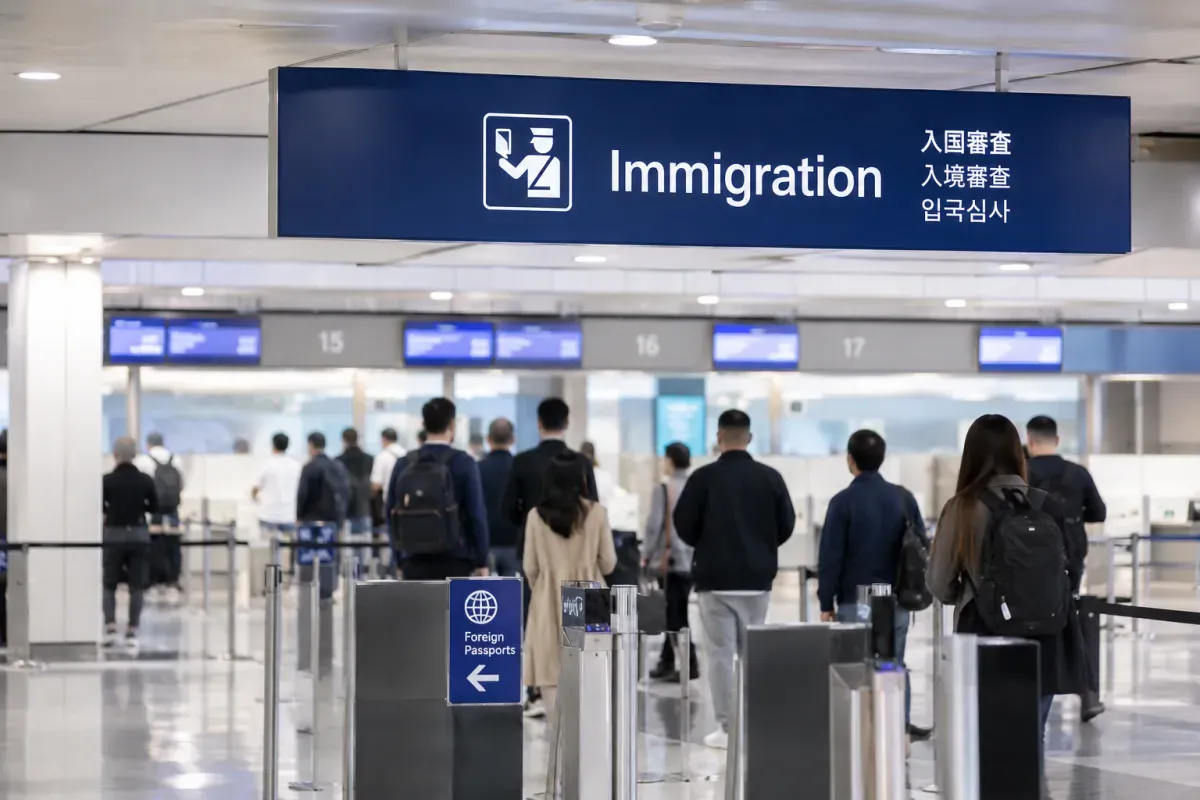
At Schiphol and other airports, non-Schengen arrivals pass through passport control run by the Royal Marechaussee. EU/EEA travellers and many others can use automated eGates with a biometric passport. Officers may ask about your trip and check onward tickets. Have your documents ready, follow signage, and note that a future entry/exit system may add fingerprint or photo checks.
- Control
- For non-Schengen
- eGates
- Biometric passport
- Have ready
- Docs and tickets
- Automated gates speed up eligible travellers
- A future EES may add biometric checks
Tips for Smooth Entry
Practical advice for a hassle-free arrival
Arrive at the airport in good time, keep travel documents in your hand luggage and have accommodation details ready. English is widely spoken, so asking for help is easy. Trains connect the airport directly to city centres, and contactless cards work almost everywhere. Watch for cyclists the moment you step outside, and download transport and map apps before you land.
- Documents
- In hand luggage
- English
- Widely spoken
- On arrival
- Mind the bikes
- Trains link the airport to city centres
- Download transport and map apps in advance