
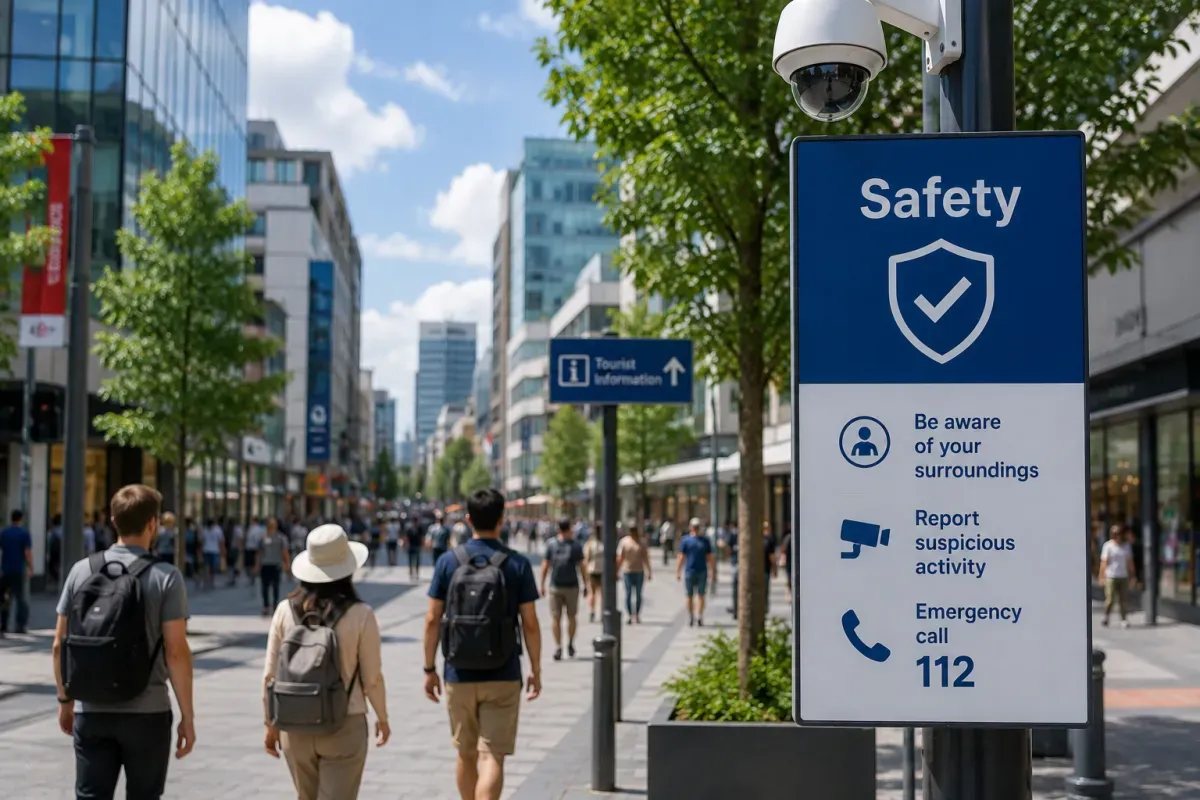
Travel Advisory
Please check your government's official travel advisory before departure. Situations can change rapidly.
Safety Level
Official risk level and travel advisories
The Netherlands is a very safe, well-organised country with low violent crime and excellent infrastructure. Most visits are trouble-free, and English is widely spoken. The main everyday risks are pickpocketing and bag theft in busy tourist spots in Amsterdam, plus staying alert to cyclists when crossing streets. Emergency number is 112.
- Overall
- Very safe
- Main risks
- Pickpockets, cyclists
- Emergency
- 112
- Violent crime against visitors is rare
- Watch for bikes; they often have right of way
Danger Zones & Areas to Avoid
Regions with poor security or restricted access
There are no no-go zones for tourists in the Netherlands. Amsterdam's Red Light District and busy nightlife streets simply call for normal awareness of pickpockets and aggressive touts late at night. Around Centraal Station and on crowded trams, keep bags closed and phones secure. Rural and coastal areas are calm and very safe.
- City
- Generally safe
- Nightlife
- Watch belongings
- Transport
- Secure bags
- No off-limits areas for visitors
- Be alert around Centraal Station and busy trams
Natural Disaster Risks
Earthquakes, typhoons, floods, and other hazards
The Netherlands has few natural disasters. Much of the country lies below sea level but is protected by world-class dikes and flood defences. The main weather issues are autumn and winter storms with strong winds, and occasional heavy rain. There is no earthquake or volcano risk of note; simply follow KNMI weather warnings during storms.
- Risk
- Low overall
- Main issue
- Winter storms
- Source
- KNMI
- Strong flood defences protect low-lying land
- Autumn/winter storms bring strong winds
Health & Disease Risks
Endemic diseases and hygiene concerns
Health risks are low. Tap water is safe to drink, sanitation is excellent and medical care is high quality. No special vaccinations are required for most travellers beyond keeping routine ones up to date. The main practical points are arranging travel/health insurance and, for EU visitors, carrying a valid EHIC/GHIC card. Confirm requirements with official sources before you travel.
- Tap water
- Safe to drink
- Care
- High quality
- EU visitors
- EHIC/GHIC
- No special vaccines needed for most travellers
- Arrange insurance before you travel
Crime & Scam Trends
Common crimes and scams targeting tourists
The most common problem for tourists is pickpocketing and bag snatching in crowded areas of Amsterdam, on trams and around Centraal Station. Bike theft is rampant, so lock rentals well. Watch for distraction tactics, fake charity clipboards and overpriced street deals. Keep valuables out of sight, use a money belt or inside pocket, and stay alert in nightlife zones.
- Main
- Pickpockets
- Also
- Bike theft
- Tip
- Hide valuables
- Distraction scams occur in busy tourist spots
- Lock rented bikes securely at all times
Political Situation & Protests
Political instability and potential demonstrations
The Netherlands is a stable parliamentary democracy with a low political risk for travellers. Peaceful protests and demonstrations do occur, mostly in city centres, and are generally well managed. As anywhere, it is sensible to avoid large gatherings and follow local authority instructions. Everyday travel is not affected by the political situation.
- Stability
- High
- Protests
- Usually peaceful
- Advice
- Avoid crowds
- Demonstrations occur mainly in city centres
- Travel is not affected by politics
Local Laws & Prohibitions
Important local laws and penalties for travelers
Dutch drug policy is often misunderstood. Soft drugs are tolerated in limited amounts in licensed coffeeshops, but public use elsewhere, hard drugs and carrying larger quantities remain illegal; some cities restrict sales to residents. Always carry ID, obey cycling rules, and note that pickpocket-heavy areas near coffeeshops attract touts selling illegal drugs. When in doubt, follow official guidance and local signage.
- Soft drugs
- Tolerated, not free
- Carry
- ID at all times
- Cycling
- Follow the rules
- Public drug use and street dealers are illegal
- Rules vary by city; check official signage
Emergency Contacts
Police, ambulance, and fire department numbers
The single emergency number is 112 for police, fire and ambulance, working from any phone and free of charge. For non-urgent police matters, call 0900-8844. Operators generally speak English. Save your embassy contact and your insurer's emergency line before you travel, and note the address of the nearest hospital when in a new city.
- Emergency
- 112
- Non-urgent police
- 0900-8844
- English
- Usually spoken
- 112 covers police, fire and ambulance
- Save embassy and insurer numbers in advance
Embassy & Consulate Info
Location and contact details of your embassy
No embassy or consulate information is available for your selected nationality in this country.
Travel Insurance
Recommended coverage and tips for choosing a policy
Take out comprehensive travel insurance covering medical care, repatriation and cancellations. Dutch healthcare is excellent but can be expensive for visitors without cover. EU/UK travellers should carry a valid EHIC/GHIC, which does not replace insurance. If you plan cycling, watersports or winter trips, confirm your policy covers those activities.
- Cover
- Medical + repatriation
- EU/UK
- EHIC/GHIC too
- Activities
- Check inclusions
- EHIC/GHIC does not replace insurance
- Confirm cover for sports and activities